


 English
 русский
 Español
-
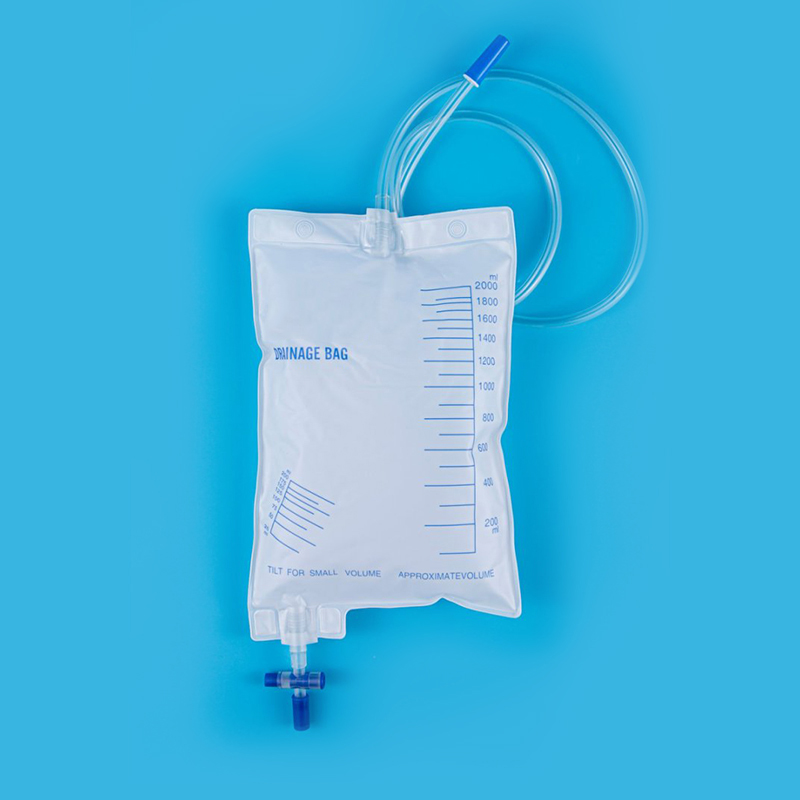
SM 7014 Side T-Valve Urine Bag
-
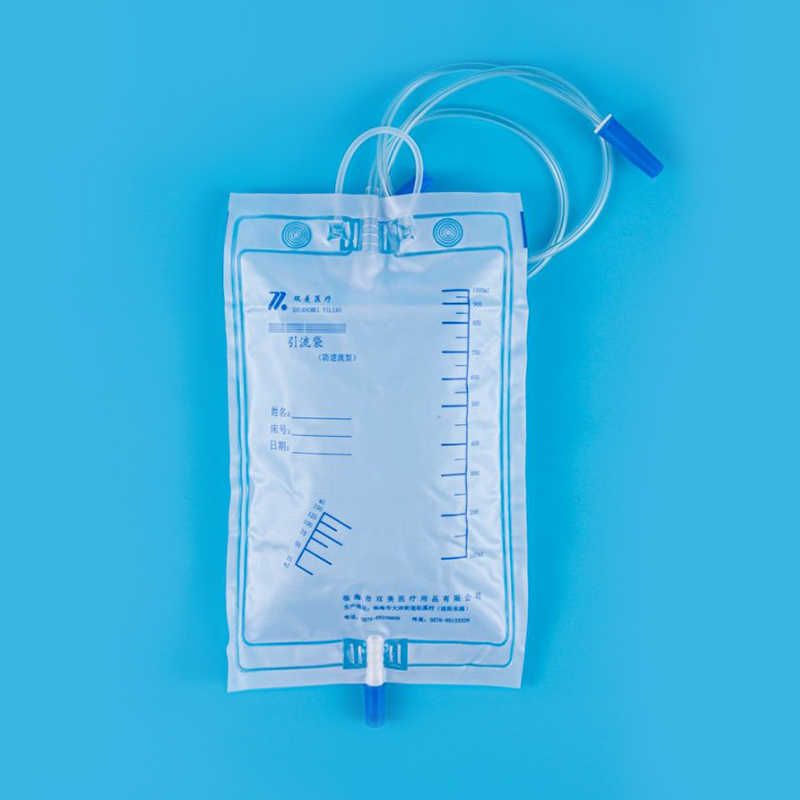
SM 7026 1000ml T-Valve Urine Bag With Rope
-
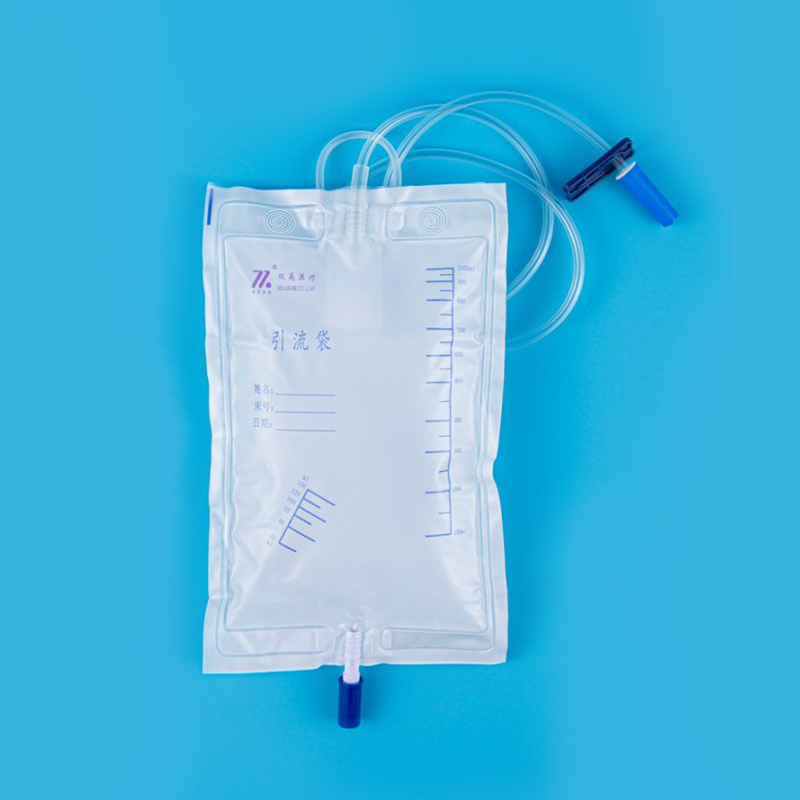
SM7026 Lanyard Pull-Push Valve Urine Bag with Milky White Base Film
-
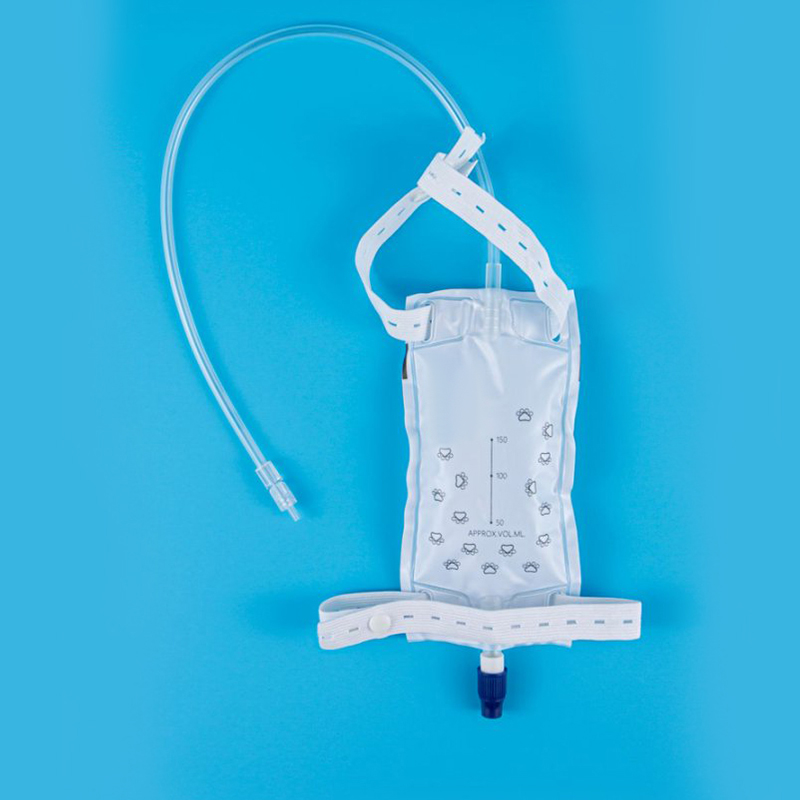
150ml Screw Valve Luer Connector Pet Urine Bag
-
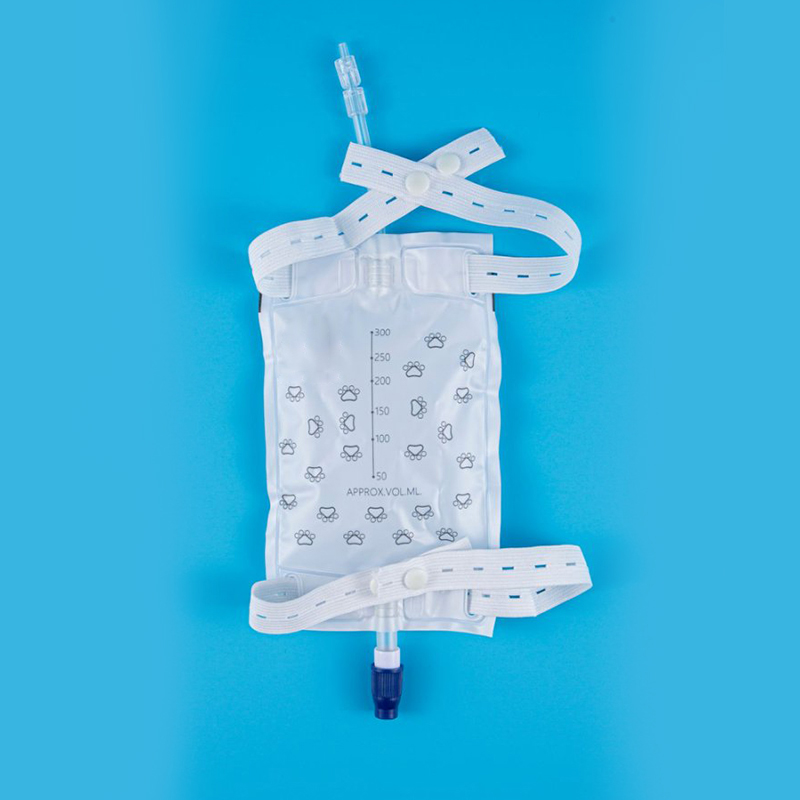
300ml Screw Valve Luer Connector Pet Urine Bag
-
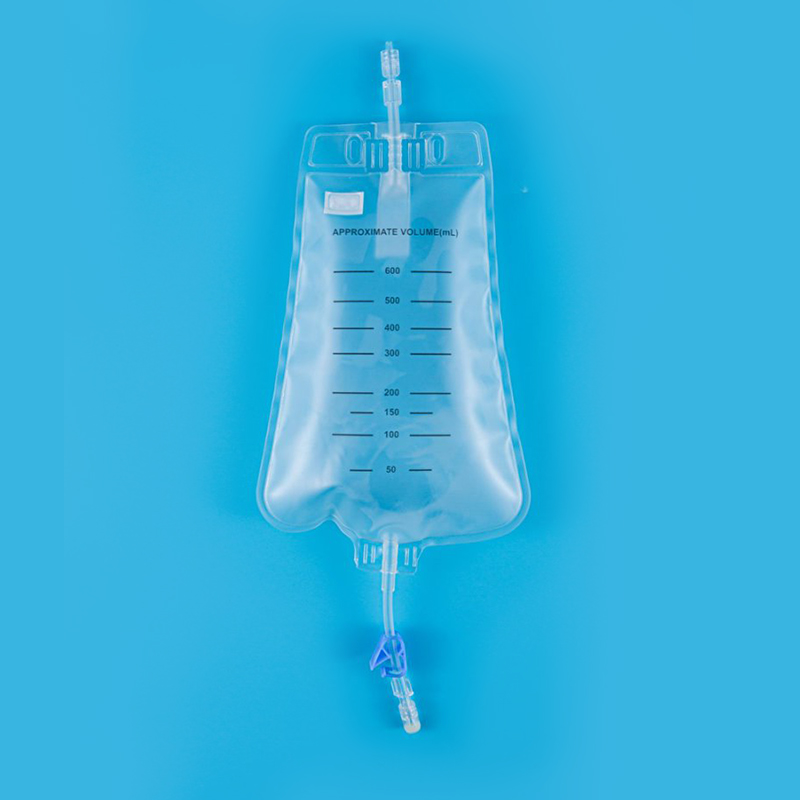
600ml 30-Micron Drainage Bag with Luer Connector, Transparent Urine Bag
-
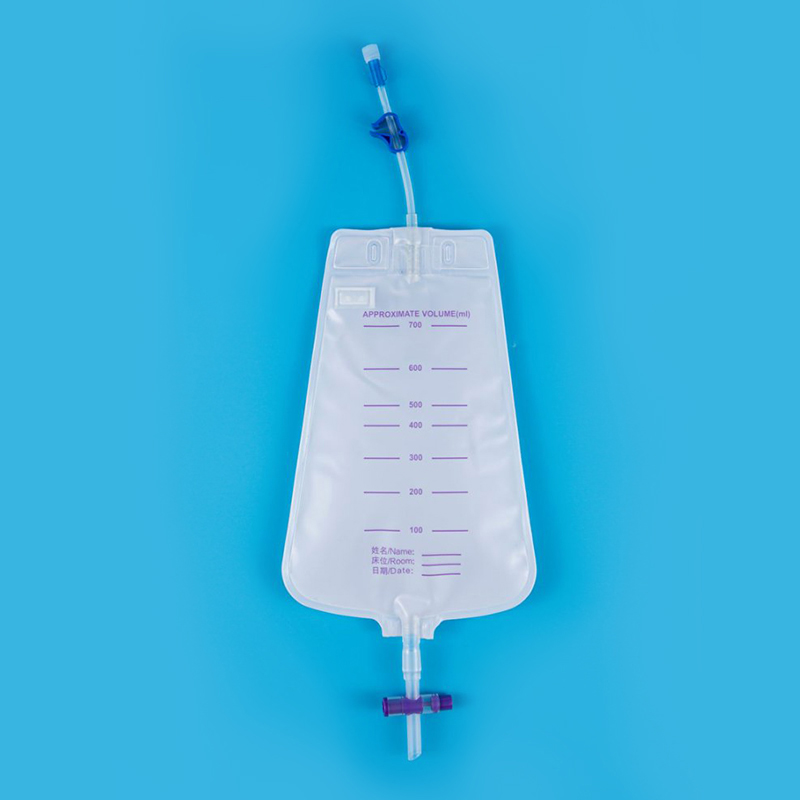
700ml 30-Micron Drainage Urine Bag
-
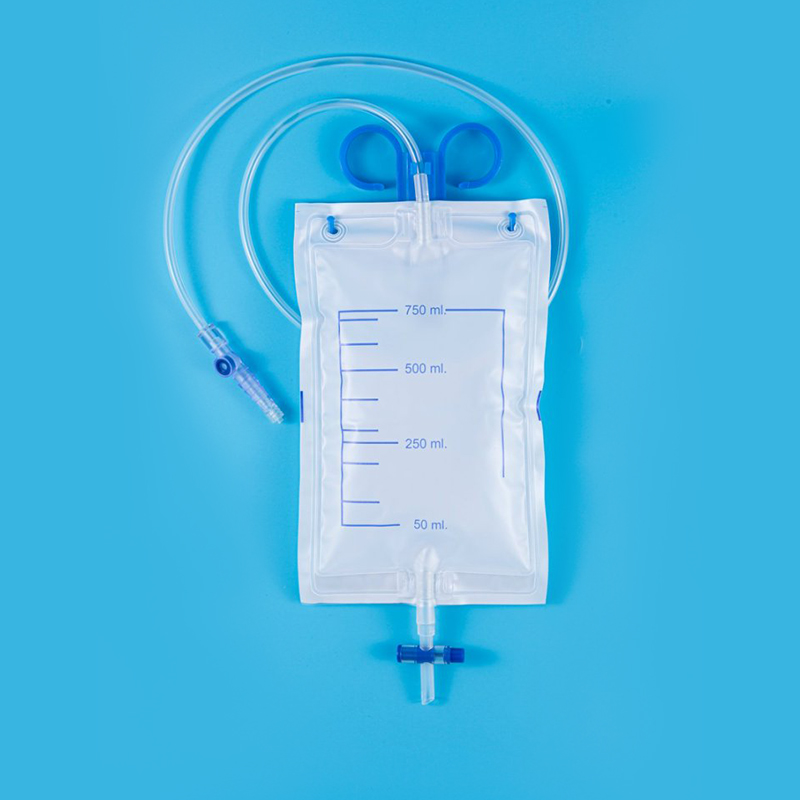
750ml Deluxe Urine Bag With Hook And Cross Valve
-
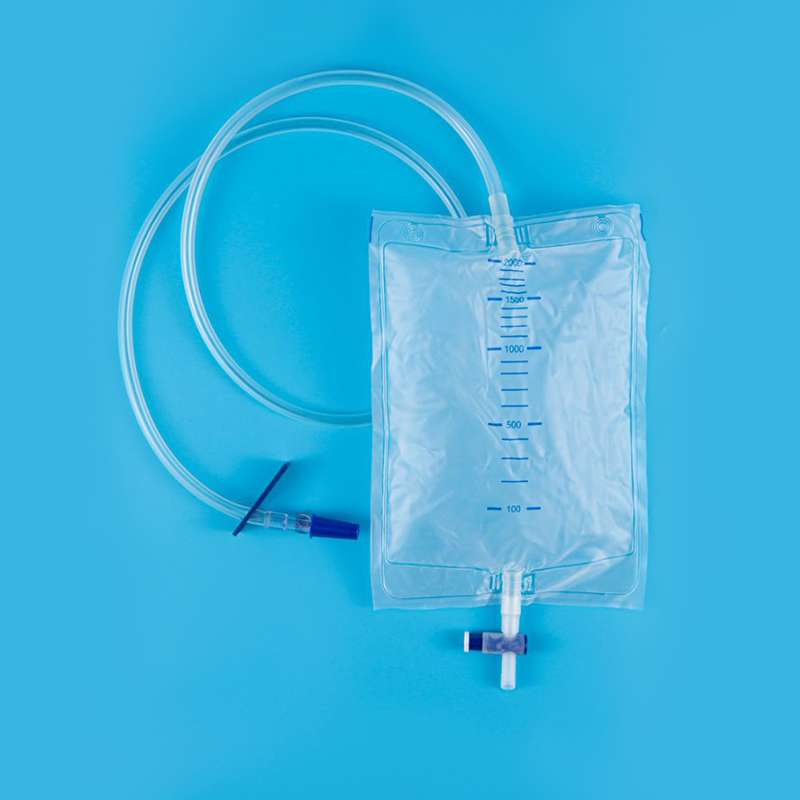
2000ml Fully Transparent Urine Bag with Sampling Port and Clamp
-
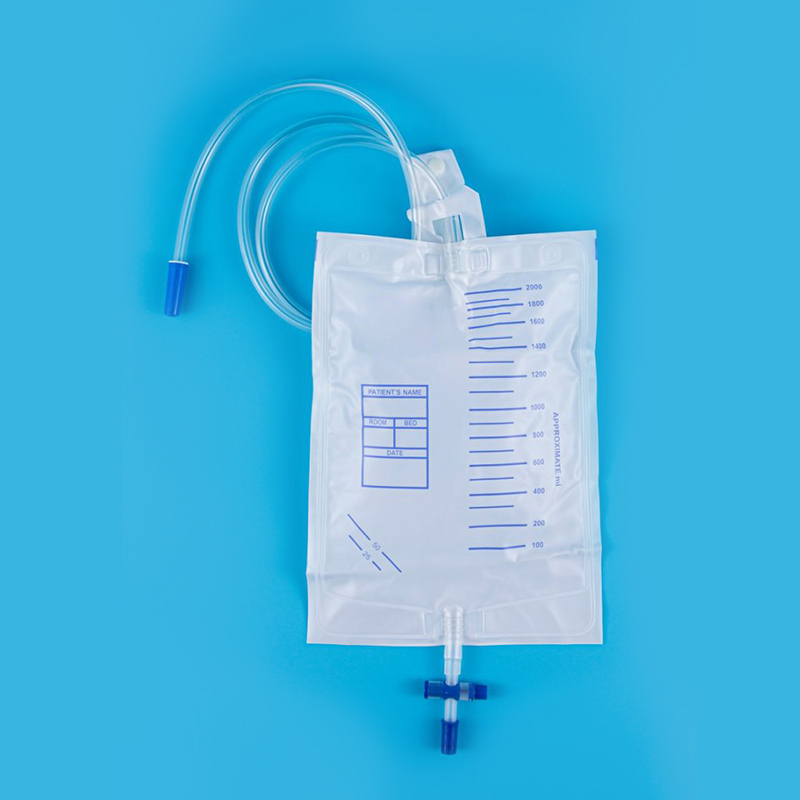
2000ml Cross Valve Urine Bag with Hanging Straps
-
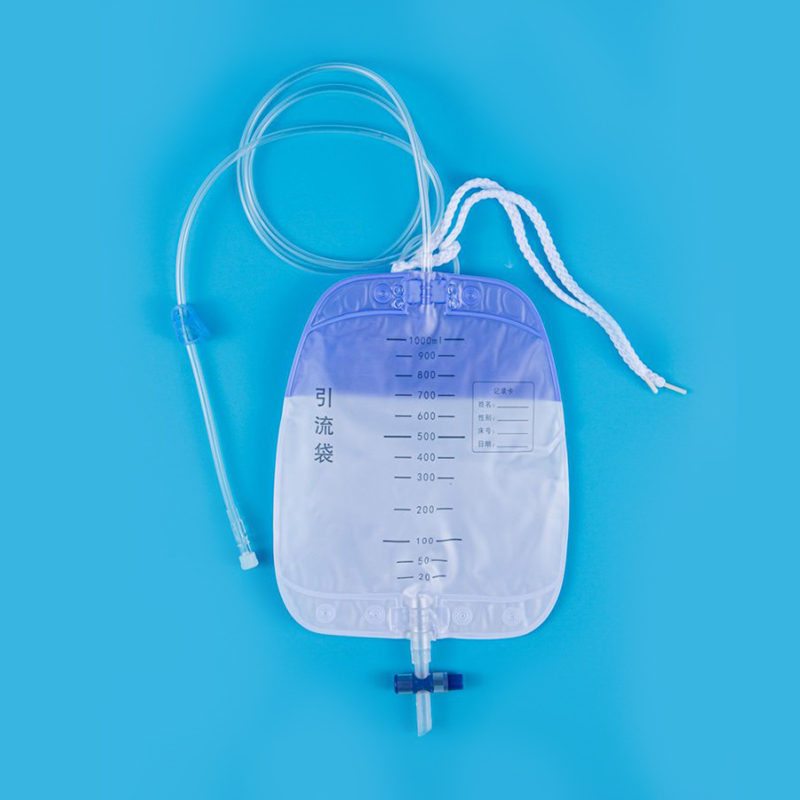
SM7025 1000ml Deluxe Urine Bag with Wing-Type Swivel Connector
-
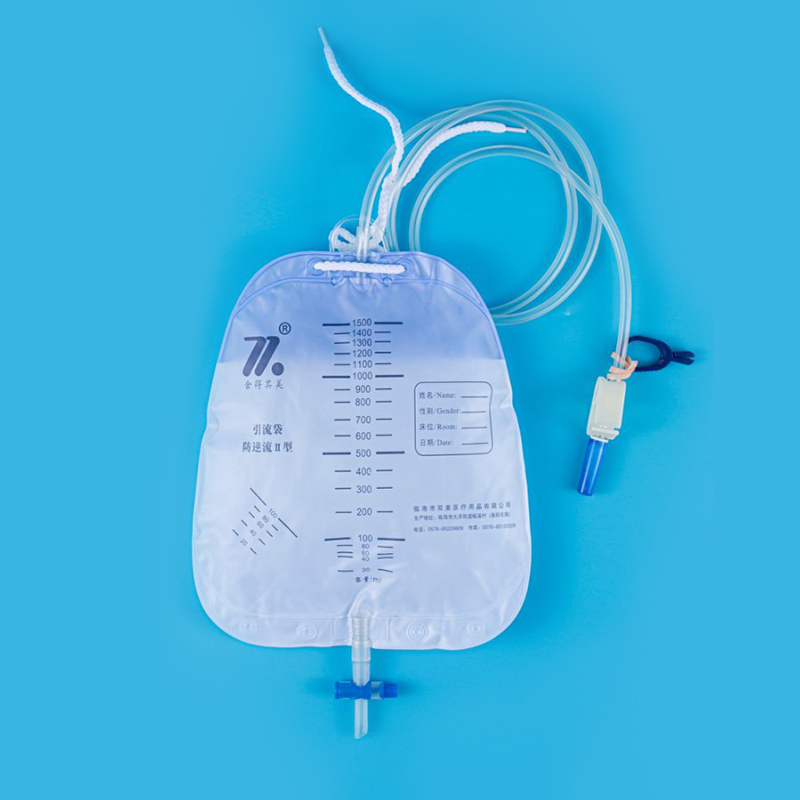
SM7025 1500ml Deluxe Urine Bag
About
Linhai Shuangmei Medical Supplies Co., Ltd.
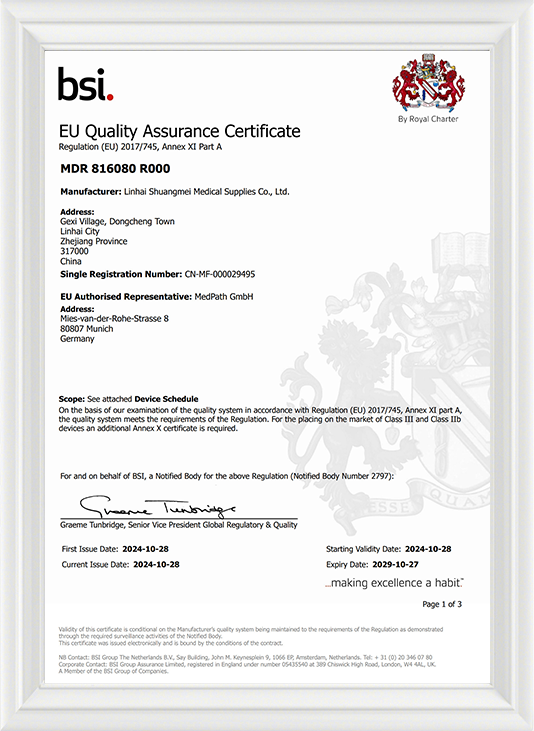
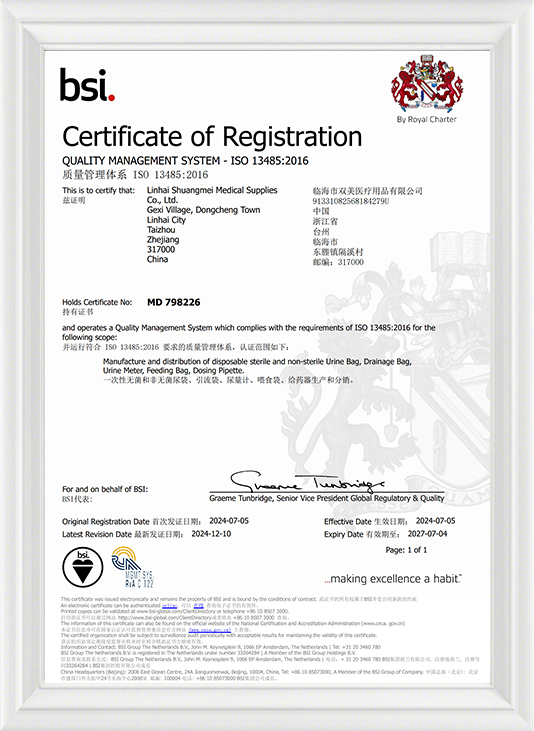
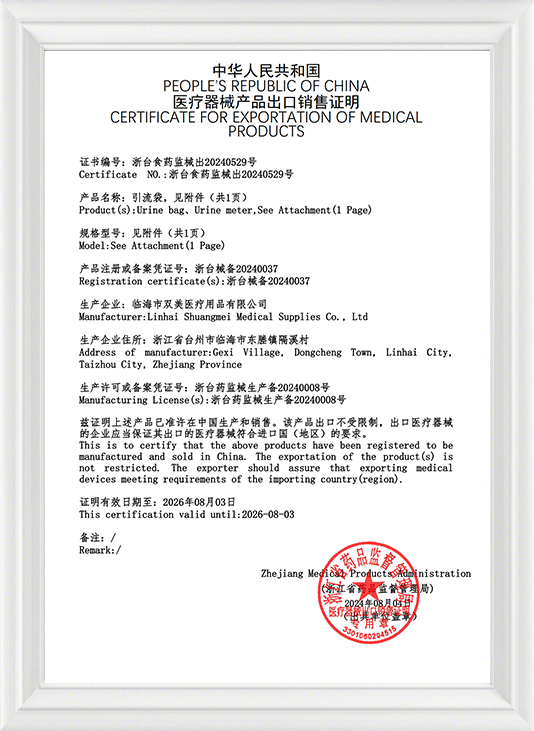
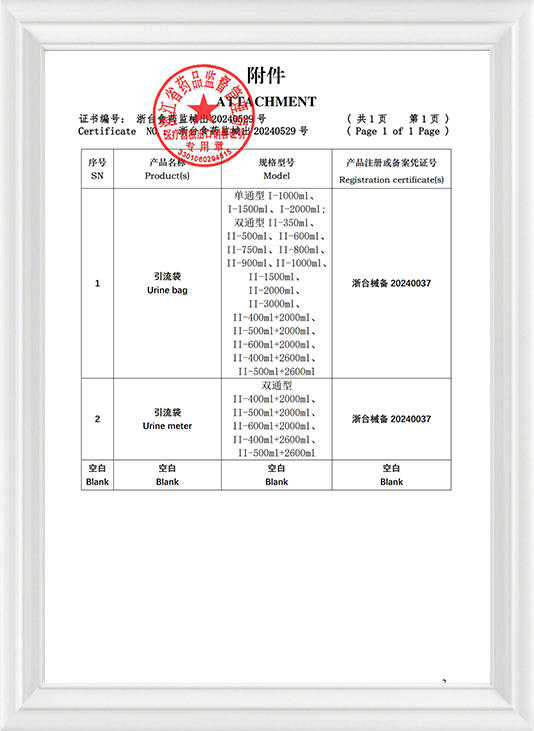
We are a professional China Urine Bag suppliers and Urine Bag factory, we are mainly engaged in wholesale Urine Bag. With production and cleanroom facilities covering 4,500 m², our core product range includesurine bag with t-type valve,pull-push valve, screw valve and pediatric urine bags. We are certified under ISO 13485, CE, and UKCA quality management systems. Comprehensive quality inspection procedures and a full suite of automated equipment ensure consistent and reliable product quality. Our products are widely exported to Europe, Asia, South America, and Africa, serving countries such as Italy, Greece, Russia, and Brazil. At Shuangmei, we are committed to prioritizing customer needs and delivering high-quality products. Guided by a brand-oriented approach and a philosophy of symbiosis, we have earned the trust and support of clients worldwide through our focus and precision. Professionalism builds our brand; sincerity creates value. We sincerely look forward to collaborating with you to build a brilliant future together.
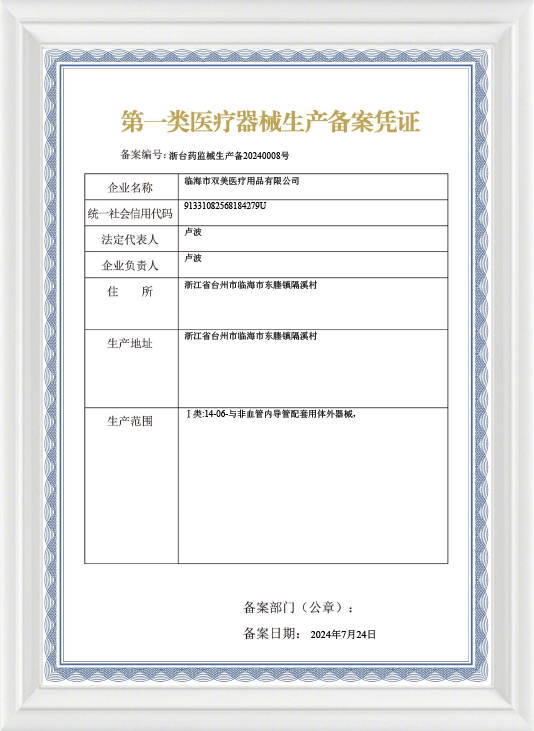
Certificate of Honor

News
-
In medical packaging and infusion systems, Dosing Pipette and Pediatric IV ...
READ MORE -
The increasingly segmented paediatric healthcare sector has transformed the...
READ MORE -
In liquid medication delivery systems, Dosing Pipette and Pediatric IV Bott...
READ MORE -
In liquid medication administration systems, Dosing Pipette and Pediatric I...
READ MORE -
Economy Urine Bag and Disposable Infusion Set are commonly used in hospital...
READ MORE -
Economy Urine Bag and Disposable Infusion Set are frequently included in em...
READ MORE
Urine Bag Industry Knowledge Extension
Urine Bag
A urine bag is a disposable medical device designed for the hygienic collection of urine in patients who are unable to use traditional bathroom facilities. It is commonly connected to a urinary catheter to provide a closed system for fluid management. Urine bags are typically manufactured from medical-grade materials that ensure transparency for easy monitoring of fluid volume and characteristics. More designs include an anti-reflux valve, which helps reduce the chance of backflow that may advance to complications. The bag usually incorporates a drainage outlet at the bottom, allowing controlled emptying when required. Different capacities are available, ranging from smaller leg bags for mobile patients to larger bedside bags for individuals in hospital or home care. Adjustable straps or hangers are often included to maintain proper positioning and improve patient comfort. Urine bags are designed for single use to prevent contamination and support infection control practices in healthcare settings. Their practical design allows caregivers to manage patient care efficiently while ensuring fluid output can be measured accurately for clinical monitoring. By combining convenience with hygienic safety, urine bags have become a standard component in urological and postoperative care.
Medical Urine Bag
A medical urine bag serves as an essential tool in healthcare environments where accurate monitoring and safe management of urine output are required. These bags are designed with sterile packaging to lessen contamination risks during use and handling. They are connected to urinary catheters and used for patients recovering from surgery, individuals with incontinence, or those requiring long-term bed rest. A medical urine bag typically features an anti-reflux mechanism, a calibrated volume scale, and a bottom outlet valve to enable secure and controlled drainage. Some designs may integrate additional features such as temperature-sensing strips or specialized connectors, depending on clinical requirements. The transparent body of the bag allows healthcare providers to observe urine volume, color, and consistency, which can offer important insights into patient health. To ensure patient safety, medical urine bags are generally replaced at regular intervals according to hospital protocols. Their role extends beyond fluid collection, as they also support infection prevention strategies within hospitals and long-term care facilities. By providing reliable fluid containment and ease of use, medical urine bags contribute to improved efficiency in nursing workflows and support better clinical assessment of patient conditions.
Urine Pouch
A urine pouch is a type of disposable container designed to provide a discreet and practical option for urine collection in both clinical and non-clinical environments. Unlike larger bedside urine bags, a urine pouch is typically smaller and lightweight and may be attached to the body for mobile patients. It is often used for individuals who require assistance with daily urine management due to medical conditions, mobility limitations, or post-surgical recovery. Urine pouches are generally made of flexible, medical-grade materials that are comfortable against the skin and resistant to leakage. Many designs include a soft inlet tube, a secure connector, and a drainage port that allows safe emptying when needed. Some urine pouches are intended for daytime use, providing patients with mobility while maintaining discreet urine collection, while others may be suited for short-term clinical applications. Transparent or semi-transparent designs make it easier for healthcare providers to monitor urine flow and characteristics without disrupting patient comfort. As single-use products, urine pouches support hygiene and infection control practices by ensuring that each unit is disposed of after use. Their versatility and patient-friendly features make them suitable for a range of care settings, from hospitals to home care environments.

Contact Us
-
 +86-0576-85229808
-
 [email protected]
-
 Gexi Village, Dongcheng Town, Linhai City, Zhejiang Province, China
Copyright © Linhai Shuangmei Medical Supplies Co., Ltd. All rights reserved. Approval No: 20240008.

Cheap Urine Pouch Suppliers