


 English
 русский
 Español
How Paediatric Urine Collection Bags Cater to Diversified Clinical & Home Care Demands
The increasingly segmented paediatric healthcare sector has transformed the design and selection logic of single-use medical consumables. Moving past generic one-size-fits-all solutions, hospitals and family caregivers now prioritize products customised to children’s age brackets, clinical indications and usage scenarios. Against this backdrop, paediatric urine collection bags and paediatric intravenous (IV) bottles are two core consumables for fluid monitoring and infusion management. Their structural design, volumetric specifications and humanised features fully embody the trend of specialised care for neonates, toddlers and young children, applicable to both institutional wards and home care settings.
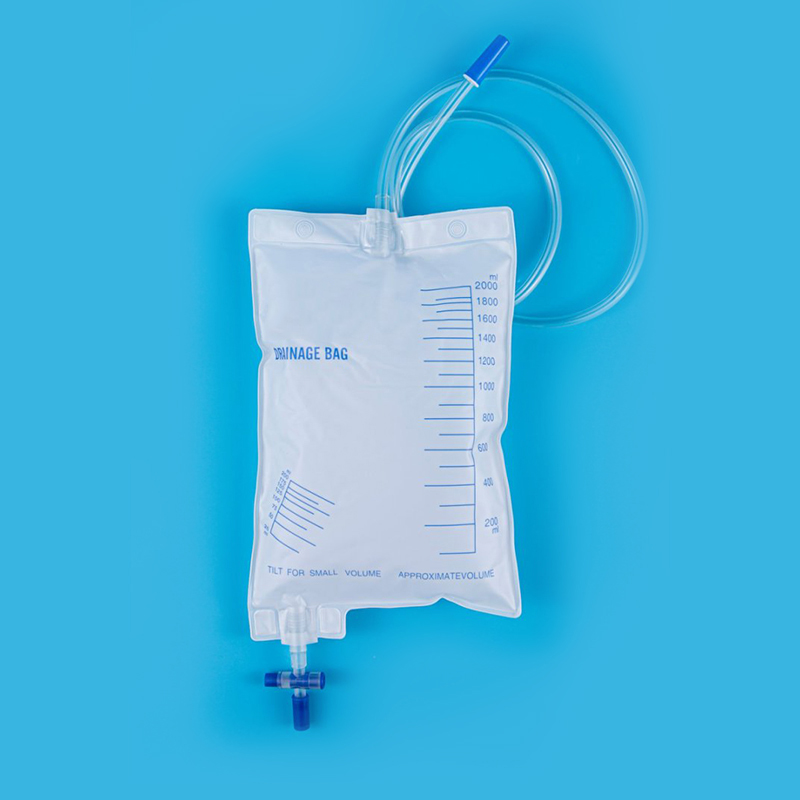
Age-Specific Requirements in Pediatric Urine Collection
Application-Based Design: Diagnostic Testing, Monitoring, and Post-Operative Care
Pediatric care settings demand clarity in product selection based on purpose. A urine collector bag used for short-term diagnostic testing differs from one used for continuous urine output monitoring in a hospital.
For diagnostic testing, the focus is on hygiene and contamination control. A sealed design with secure caps or sample ports allows urine to be transferred to testing containers without exposure. This supports laboratory accuracy and reduces handling steps.
In urine output monitoring—especially after surgery or during dehydration management—measurement precision and drainage options are central. Some bags include graduated scales in milliliters, enabling staff or caregivers to track changes over time. Drain valves designed for controlled emptying can simplify routine measurement in hospital beds or home cribs.
Post-operative care introduces another layer of consideration. Children recovering from surgery may have limited movement or discomfort. Flexible connectors and soft edges help prevent additional irritation. Clear tubing supports visual checks for flow continuity, which is useful when monitoring for blockages.
Meanwhile, the Pediatric IV Bottle complements these scenarios by ensuring consistent fluid administration. Whether delivering hydration fluids, electrolytes, or medication, bottle material should be compatible with standard infusion sets. A stable hanging loop and balanced structure help reduce accidental spills. In pediatric wards where IV therapy is common, practical bottle design contributes to smoother workflow.
Practical Features That Support Home Healthcare
The rise of home-based pediatric care has changed expectations. Parents are often responsible for monitoring hydration or collecting samples before clinic visits. Products must therefore be simple to understand and easy to apply.
When evaluating a Paediatric Urine Collector Bag for home use, caregivers often look for:
- Clear printed instructions with visual diagrams
- Pre-sterilized packaging for immediate use
- Easy-peel adhesive backing
- Secure but simple drainage closure
- Compact packaging for storage and travel
Portability is especially relevant for families who travel between home and outpatient facilities. A lightweight urine collection solution that fits in a small medical kit supports flexibility without requiring complex equipment.
The Pediatric IV Bottle may also appear in home infusion scenarios, particularly for children requiring ongoing hydration therapy. In these cases, compatibility with portable IV stands and home infusion pumps becomes significant. Caregivers benefit from bottles with visible fluid levels and clear labeling areas for recording date and medication type.
Hospital Versus Home: Workflow Differences That Influence Product Choice
Hospital environments prioritize efficiency and infection control. High patient turnover and strict hygiene protocols mean that disposable products must be straightforward to replace and dispose of. Individually packed urine collector bags reduce cross-contamination risk. Consistent sizing across batches helps nursing staff quickly identify the correct option for each patient group.
In contrast, home users focus more on comfort and simplicity. Parents may worry about causing discomfort during application. A gentle adhesive zone and soft bag material can ease these concerns.
Similarly, Pediatric IV Bottle usage in hospitals often involves centralized storage and scheduled replacement. In home care, labeling space becomes more important so caregivers can note infusion times. The structure should remain stable when hung for several hours in a non-clinical environment.
Family caregivers focus primarily on children’s comfort and ease of operation. Mild, skin-friendly adhesive and soft bag materials ease parents’ worries about hurting kids during application. For home IV therapy, ample labelling space becomes essential for recording administration time, and bottle bodies must maintain stable suspension for hours in non-medical household environments.
Interested in cooperation or have questions?

-
 +86-0576-85229808
-
 [email protected]
-
 Gexi Village, Dongcheng Town, Linhai City, Zhejiang Province, China
Copyright © Linhai Shuangmei Medical Supplies Co., Ltd. All rights reserved. Approval No: 20240008. The information provided on this website is intended for use only in countries and jurisdictions outside of the People's Republic of China.
 Privacy Policy
Medical Supplies Urine Bags Factory