


 English
 русский
 Español
Dosing Pipette Use Cases Compared with Syringe Dosage Tools Analysis
In liquid medication delivery systems, Dosing Pipette and Pediatric IV Bottle are often discussed together with syringe-based tools in both home care and clinical environments. These devices all support controlled liquid administration, but their structure and usage methods differ depending on application needs.
The increasing demand for accurate dosing in infants, pets, and sensitive patients has expanded the use of dosing pipettes. Meanwhile, Pediatric IV Bottle systems continue to play a key role in hospital infusion settings where intravenous fluid control is required.
Structural Differences Between Pipettes and Syringes
A dosing pipette typically uses a soft bulb or suction mechanism to draw liquid into a calibrated tube. The liquid is released gradually through controlled pressure, making it suitable for slow oral administration.
A syringe uses a plunger system inside a barrel to draw and push liquid. This allows direct volume control and is widely used in oral and injectable applications.
The key difference is handling style: pipettes focus on gradual release, while syringes rely on mechanical push control.
Accuracy and Dosage Control
Dosing pipettes provide visual measurement through graduated markings, helping users prepare accurate liquid doses before administration. They are often preferred in situations where slow and careful dispensing is required.
Syringes measure dosage through plunger positioning, which can offer precise control but depends more on the user's handling skills. Faster plunger movement may result in quicker liquid release than intended.
Both tools require attention to ensure correct dosage, especially in pediatric or veterinary use, where small variations matter.
Application Scenarios
Dosing pipettes are commonly used for infant oral medication and veterinary care. They support gradual administration, which helps reduce resistance in children or animals.
Veterinary use often includes antibiotics, supplements, and recovery liquids. Their simple structure makes them suitable for repeated home use.
Syringes are more often used in clinical environments for controlled dosing or injection procedures. They may also be used for oral administration in hospitals, depending on medication requirements.
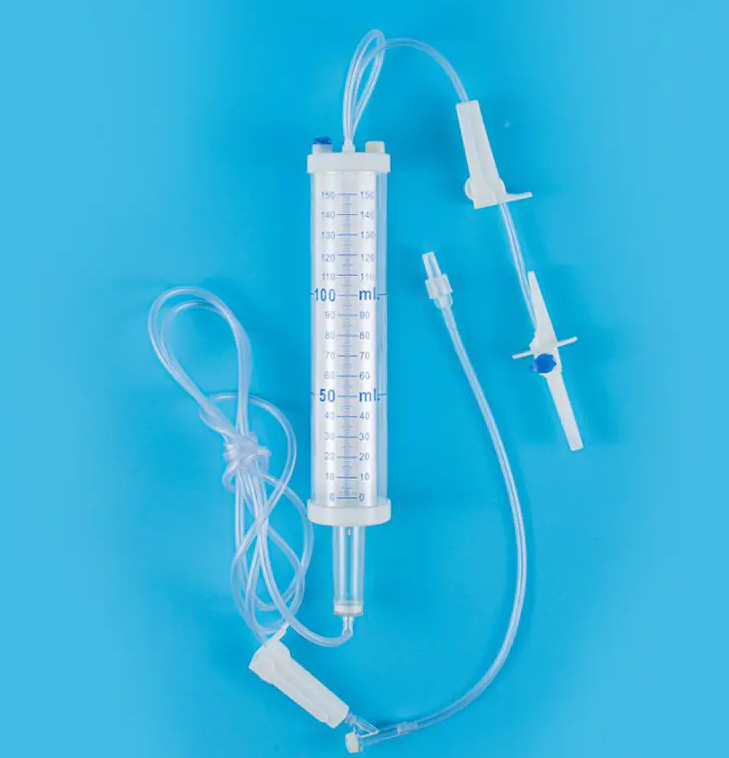
Pediatric IV Bottle systems are used for intravenous infusion in hospital environments, delivering fluids directly into the bloodstream under controlled conditions.
Hygiene and Safety Considerations
Both dosing pipettes and syringes can be designed for single-use or reusable purposes, depending on the material and medical requirements. Sterility is important in both cases.
Dosing pipettes are often packaged for oral use with an emphasis on convenience. Syringes used in clinical settings may follow stricter sterilization procedures.
Pediatric IV Bottle systems remain sealed until use and are integrated into sterile infusion systems to reduce contamination risks.
User Handling Differences
Dosing pipettes are generally simple to operate and suitable for caregivers without medical training. Liquid can be drawn and released with minimal effort.
Syringes require more precise hand control, especially when measuring small volumes. This makes them more common in clinical settings.
Pediatric IV Bottle systems are handled by healthcare professionals and used within monitored infusion systems rather than direct user operation.
Role of Pediatric IV Bottle in Infusion Systems
Pediatric IV Bottle systems are designed for intravenous fluid delivery in hospitals. They connect to infusion lines that regulate flow into the patient’s bloodstream.
They are commonly used in pediatric care units where controlled fluid intake is necessary. Their structure supports stable storage and safe transfer of infusion solutions.
While dosing pipettes handle oral administration, IV bottles serve intravenous treatment needs in clinical environments.
Selection Considerations
The choice between dosing pipettes and syringes depends on the usage environment. Pipettes are often preferred for oral use in infants and pets due to ease of handling. Syringes are selected for more controlled medical applications.
Pediatric IV Bottle systems are chosen based on infusion therapy requirements rather than oral dosing needs.
Each tool serves a distinct role in liquid medication systems across healthcare environments.
Dosing pipettes and syringes provide different methods for oral and controlled liquid administration, while Pediatric IV Bottle systems support intravenous infusion in clinical settings.
Together, they form part of a structured approach to medication delivery across veterinary care, infant care, and hospital treatment environments.
NEXT:Dosing Pipette Applications in Veterinary and Infant Care Settings
Interested in cooperation or have questions?

-
 +86-0576-85229808
-
 [email protected]
-
 Gexi Village, Dongcheng Town, Linhai City, Zhejiang Province, China
Copyright © Linhai Shuangmei Medical Supplies Co., Ltd. All rights reserved. Approval No: 20240008. The information provided on this website is intended for use only in countries and jurisdictions outside of the People's Republic of China.
 Privacy Policy
Medical Supplies Urine Bags Factory