


 English
 русский
 Español
Dosing Pipette Applications in Veterinary and Infant Care Settings
In liquid medication administration systems, Dosing Pipette and Pediatric IV Bottle are frequently discussed in relation to controlled dosage delivery across both home care and clinical environments. These two tools belong to different medical application routes, yet both play an important role in improving precision and safety in liquid handling processes.
The use of dosing pipettes has expanded in recent years across veterinary care and infant medication scenarios, where small-volume liquid control is required. At the same time, Pediatric IV Bottle systems continue to serve as a standard component in hospital infusion environments, especially in pediatric treatment units where intravenous delivery is necessary.
Veterinary Applications of Dosing Pipette
In veterinary practice, liquid medication is commonly used for pets and small animals. Dosing pipettes are widely adopted because they provide a controlled method for administering oral solutions without requiring complex equipment.
Animals such as cats, dogs, and smaller pets often require precise dosage adjustments based on weight and condition. A dosing pipette allows caregivers to measure and deliver liquid medication in a controlled manner, reducing the risk of inconsistent dosing.
Common veterinary applications include antibiotic administration, vitamin supplementation, and recovery support solutions. Compared with uncontrolled pouring methods, dosing pipettes provide a more structured way to handle liquid medication, especially in situations where animals may resist treatment.
Infant Care and Oral Medication Control
In infant care environments, oral medication requires careful handling due to sensitivity in dosage levels and patient response. Dosing pipettes are frequently used to support caregivers in delivering liquid medicine in a controlled and gradual manner.
The design of a dosing pipette typically includes a calibrated scale, allowing users to measure specific liquid volumes before administration. This feature helps reduce uncertainty during use and supports safer medication delivery practices.
Infants often require slow administration of medication to reduce discomfort. The pipette structure enables gradual release of liquid, which can help caregivers manage dosing more effectively in home care environments.
Functional Features Supporting Accurate Delivery
Dosing pipettes are generally designed with a soft bulb or controlled suction mechanism that allows liquid to be drawn into a calibrated tube. The user can then release the liquid gradually, ensuring better control over flow speed.
Material selection is also an important factor. Medical-grade plastics are commonly used to ensure compatibility with pharmaceutical liquids. In some cases, disposable designs are preferred to reduce cleaning requirements and maintain hygiene standards.
The clear measurement markings on the pipette body help improve visibility and reduce estimation errors during use.
Relationship with Pediatric IV Bottle Systems
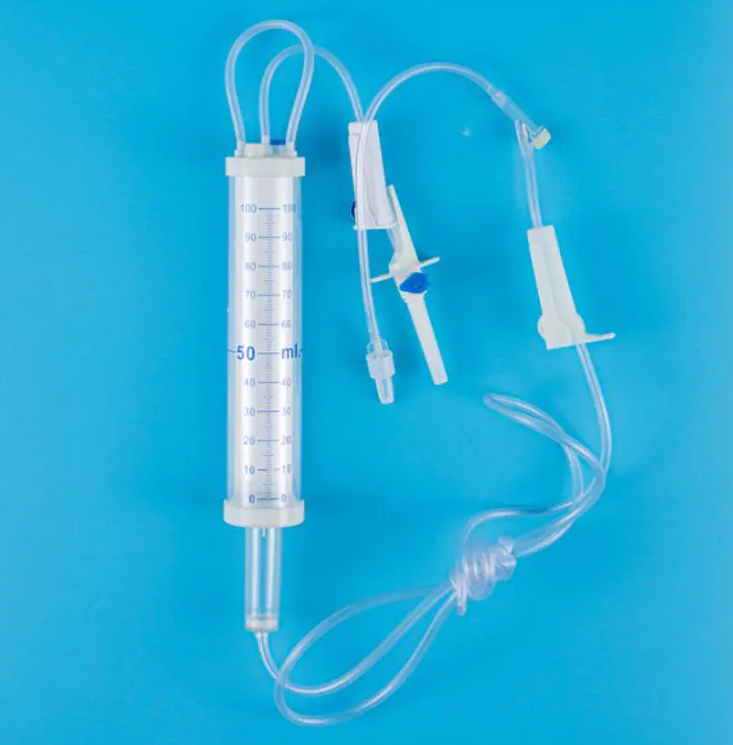
While dosing pipettes are used for oral administration, Pediatric IV Bottle systems are associated with intravenous infusion in hospital environments. These bottles are used to contain sterile liquid solutions that are delivered directly into the bloodstream through infusion equipment.
Although their functions differ, both dosing pipettes and Pediatric IV Bottle systems reflect a shared requirement in healthcare: controlled liquid delivery. One focuses on oral dosage precision, while the other supports regulated infusion therapy.
In pediatric care environments, these tools may be used in combination depending on treatment requirements. Oral medication may be administered using a dosing pipette, while intravenous fluids are delivered through Pediatric IV Bottle systems under clinical supervision.
Material Safety and Usage Considerations
Safety is a key concern in both veterinary and infant care applications. Dosing pipettes are typically designed to be BPA-free and compatible with medical liquids. Depending on usage requirements, they may be single-use or reusable with proper cleaning protocols.
Pediatric IV Bottle systems are designed to maintain sterile conditions throughout storage and administration. Their sealed structure ensures that infusion fluids remain uncontaminated until connected to medical equipment.
Both tools reflect a broader emphasis on controlled and safe liquid administration in healthcare environments, where accuracy and hygiene are essential factors.
Practical Role in Care Environments
In real-world usage, dosing pipettes are often selected for their simplicity and ease of handling. Caregivers can quickly measure and deliver oral medication without requiring specialized training.
Veterinary professionals and parents alike value the ability to control dosage flow, especially in situations where patients are sensitive or difficult to treat.
Pediatric IV Bottle systems, on the other hand, remain essential in hospital-based treatment environments where intravenous therapy is required. Their role is more specialized but equally important in pediatric healthcare systems.
Dosing pipettes and Pediatric IV Bottle systems represent two different approaches to liquid medication delivery, each suited to specific care environments. One focuses on oral precision in veterinary and infant care, while the other supports controlled intravenous therapy in clinical settings.
Both tools highlight the importance of dosage accuracy, safety, and controlled liquid handling across healthcare applications.
NEXT:How Disposable Infusion Set Enhances Hospital Workflow Efficiency
Interested in cooperation or have questions?

-
 +86-0576-85229808
-
 [email protected]
-
 Gexi Village, Dongcheng Town, Linhai City, Zhejiang Province, China
Copyright © Linhai Shuangmei Medical Supplies Co., Ltd. All rights reserved. Approval No: 20240008. The information provided on this website is intended for use only in countries and jurisdictions outside of the People's Republic of China.
 Privacy Policy
Medical Supplies Urine Bags Factory