


 English
 русский
 Español
About
Linhai Shuangmei Medical Supplies Co., Ltd.
We are a professional China Medical Irrigator suppliers and Medical Irrigator factory, we are mainly engaged in wholesale Medical Irrigator. With production and cleanroom facilities covering 4,500 m², our core product range includesurine bag with t-type valve,pull-push valve, screw valve and pediatric urine bags. We are certified under ISO 13485, CE, and UKCA quality management systems. Comprehensive quality inspection procedures and a full suite of automated equipment ensure consistent and reliable product quality. Our products are widely exported to Europe, Asia, South America, and Africa, serving countries such as Italy, Greece, Russia, and Brazil. At Shuangmei, we are committed to prioritizing customer needs and delivering high-quality products. Guided by a brand-oriented approach and a philosophy of symbiosis, we have earned the trust and support of clients worldwide through our focus and precision. Professionalism builds our brand; sincerity creates value. We sincerely look forward to collaborating with you to build a brilliant future together.
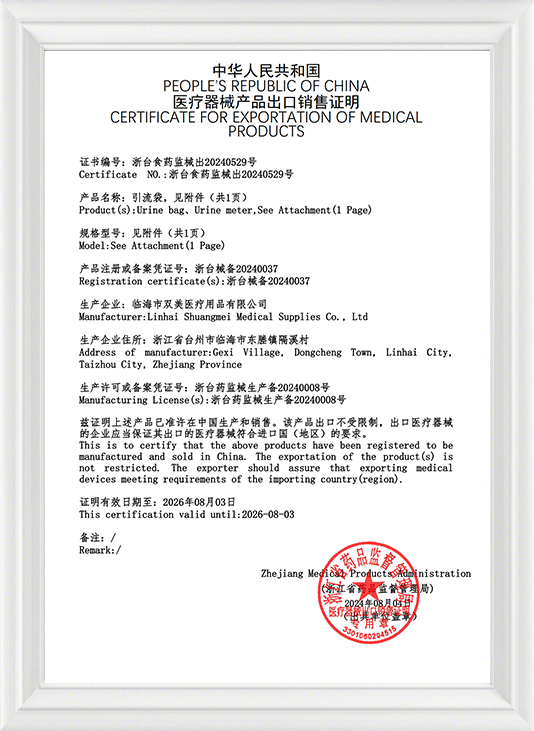
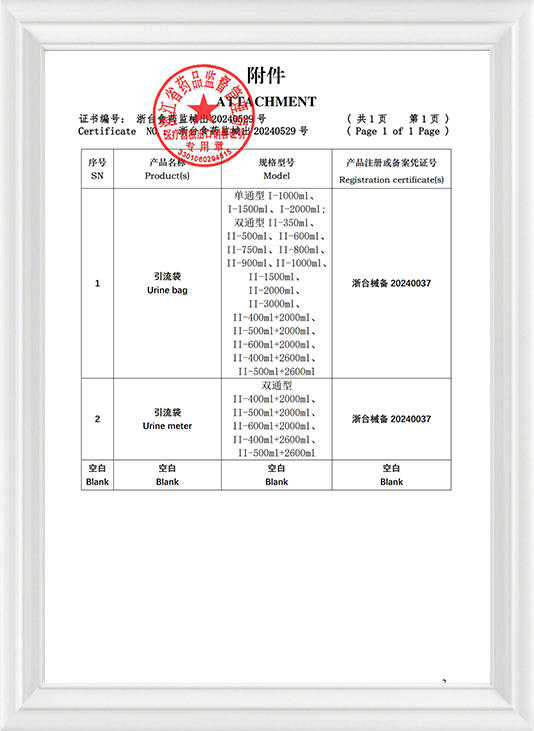
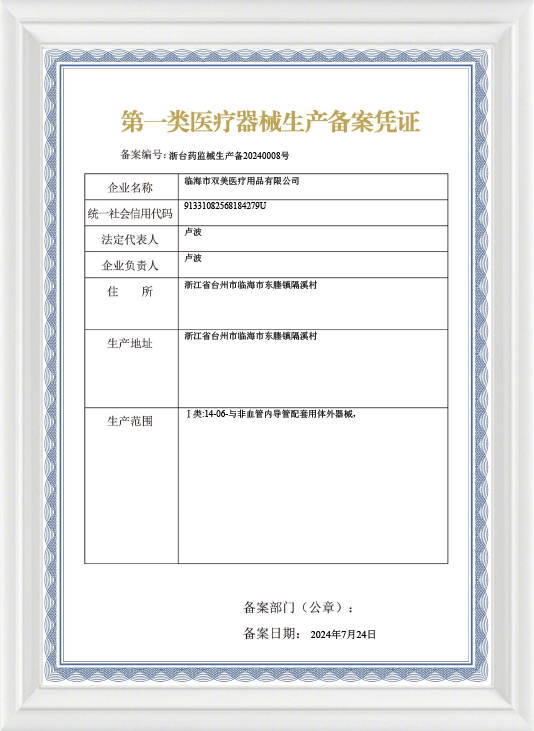
Certificate of Honor



News
-
As healthcare, laboratory, and industrial supply chains continue to focus o...
READ MORE -
The healthcare and medical supply industry is experiencing continuous chang...
READ MORE -
The demand for disposable medical and laboratory consumables continues to r...
READ MORE -
In medical packaging and infusion systems, Dosing Pipette and Pediatric IV ...
READ MORE -
The increasingly segmented paediatric healthcare sector has transformed the...
READ MORE -
In liquid medication delivery systems, Dosing Pipette and Pediatric IV Bott...
READ MORE
Medical Irrigator Industry Knowledge Extension
Medical Irrigator
A medical irrigator is a practical device widely applied in clinical environments for cleaning, rinsing, or flushing wounds, surgical areas, and body cavities. It is designed to provide a steady and controlled flow of sterile solution, ensuring that debris, blood, or contaminants can be removed effectively without additional tissue damage. The design of a medical irrigator often focuses on safety, precision, and ease of use, making it suitable for both hospital settings and clinical treatment rooms. Depending on the type of procedure, irrigators may feature adjustable flow control, ergonomic handles, or specific nozzle designs that help healthcare professionals direct the fluid accurately. Transparency in materials and graduations on the container also allows clear observation of the solution levels. Medical irrigators are typically compatible with a range of sterile solutions, allowing flexibility in clinical applications such as wound care, surgical preparation, or routine cleaning. By maintaining sterile techniques and reducing contamination risks, medical irrigators play an important role in infection control and patient recovery processes. Their contribution to medical procedures lies not in complexity, but in the reliable, consistent delivery of irrigation fluid, which supports both treatment effectiveness and patient comfort.
Disposable Medical Irrigator
A disposable medical irrigator is specifically designed as a single-use device, offering convenience and safety in clinical care. The single-use nature of this irrigator reduces cross-contamination risks, which is especially important in procedures involving open wounds or surgical sites. These irrigators are usually made from lightweight, medical-grade materials that ensure sterility while being easy to handle. Many disposable medical irrigators come pre-sterilized and sealed, allowing them to be opened directly in clinical environments without additional preparation. The structure typically includes a reservoir for irrigation fluid, a delivery nozzle, and a mechanism for regulating flow. Some designs may incorporate simple gravity-based systems, while others allow for manual pressure application depending on the clinical need. The clear body of the device provides healthcare workers with visibility of the fluid level, which is important for accurate monitoring during irrigation. Disposable medical irrigators are widely applied in wound care, oral care, surgical site cleaning, and similar procedures that require sterile flushing. By eliminating the need for reprocessing, these devices simplify workflow for healthcare professionals and ensure that each patient is treated with fresh, sterile equipment. Their design reflects the balance between safety, hygiene, and functionality, making them an essential item in modern clinical practice.
Wound Irrigator
A wound irrigator is a medical tool intended for the safe and effective cleansing of wounds. Its primary role is to flush out debris, necrotic tissue, and microorganisms while reducing the risk of further injury to delicate tissues. Wound irrigation is a critical component of wound management, as it supports the healing process and helps prepare the site for dressing or additional medical intervention. The structure of a wound irrigator is often tailored to achieve gentle yet thorough irrigation, with features such as angled tips, controlled pressure delivery, or ergonomic handles for precision. The fluid reservoir can vary in size depending on the device design and intended clinical use, from small containers for minor wounds to larger systems for surgical or trauma cases. Transparency in construction allows clear monitoring of fluid levels during irrigation, and sterile packaging ensures safety prior to use. Wound irrigators are suitable for various healthcare environments, including emergency rooms, surgical theaters, outpatient clinics, and home care under professional supervision. They are compatible with sterile solutions such as saline, which are commonly used in wound cleansing. By providing consistent and directed irrigation, wound irrigators contribute to improved wound hygiene and help establish a cleaner environment for healing.

Contact Us
-
 +86-0576-85229808
-
 [email protected]
-
 Gexi Village, Dongcheng Town, Linhai City, Zhejiang Province, China
Copyright © Linhai Shuangmei Medical Supplies Co., Ltd. All rights reserved. Approval No: 20240008.

Wound Irrigator Price