


 English
 русский
 Español
Pediatric IV Bottle Design Differences Between Glass and Plastic Types
In medical packaging and infusion systems, Dosing Pipette and Pediatric IV Bottle are often discussed in relation to liquid handling and controlled delivery applications. Pediatric IV bottles are widely used in hospital environments for intravenous infusion, and their material selection plays an important role in performance, safety, and handling characteristics.
The two common material types for Pediatric IV Bottle systems are glass and plastic. Each design has distinct properties that influence how they are used in pediatric and clinical care settings.
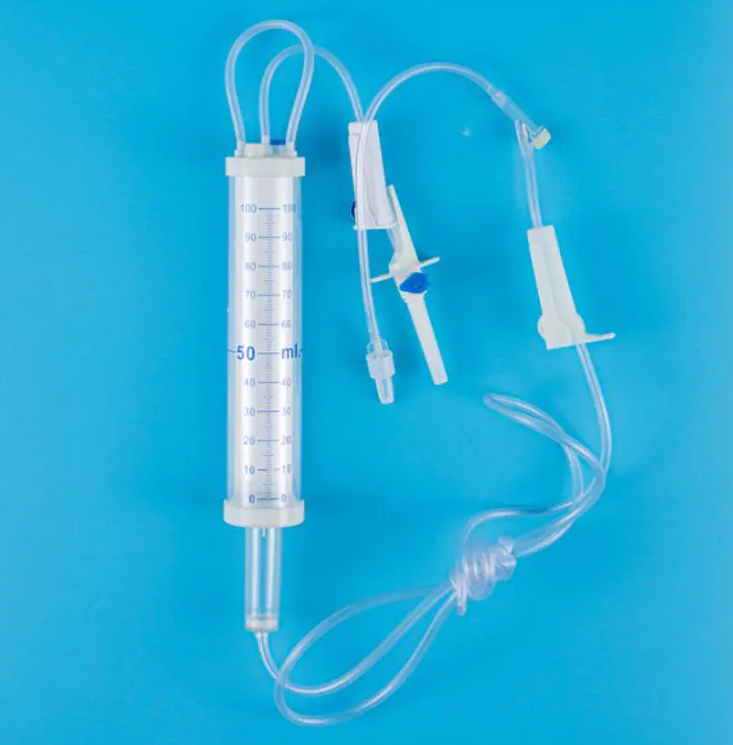
Overview of Pediatric IV Bottle Structure
Pediatric IV bottles are designed to contain sterile infusion solutions used in intravenous therapy. They typically include a sealed container body, closure system, and a connection interface for infusion equipment.
Unlike Dosing Pipette tools, which are used for oral liquid administration, Pediatric IV Bottle systems operate within hospital infusion setups where fluids are delivered directly into the bloodstream under controlled conditions.
The structure must support sterility, compatibility with infusion sets, and stable containment of medical liquids.
Glass Pediatric IV Bottle Characteristics
Glass-based Pediatric IV bottles are known for stable chemical resistance. They can maintain compatibility with a wide range of infusion solutions without interacting with the contained liquid.
This material type also supports strong barrier properties, helping maintain solution stability during storage. It is commonly used in environments where chemical neutrality is required.
However, glass bottles require careful handling due to their rigid and fragile nature. Transportation and storage often involve protective packaging to reduce the risk of breakage.
In clinical settings, glass designs are typically handled with added care procedures to ensure safe usage.
Plastic Pediatric IV Bottle Characteristics
Plastic Pediatric IV bottles provide a lighter alternative to glass versions. Their reduced weight supports easier handling during clinical operations and transportation.
They also offer improved resistance to impact compared to glass materials, which can reduce handling risks in busy hospital environments.
Material selection for plastic bottles focuses on compatibility with infusion solutions and stability under medical storage conditions. These bottles are often preferred in scenarios where operational efficiency and ease of handling are important.
Manufacturing and Design Differences
The production process for glass and plastic Pediatric IV bottles differs significantly. Glass bottles require molding and controlled forming processes followed by sterilization treatment. Plastic bottles are typically produced through injection molding and material processing techniques.
Sealing systems are also designed differently depending on material type, but both must maintain sterile conditions and ensure secure connection with infusion equipment.
These structural differences influence how each type is used in medical supply systems and hospital logistics.
Clinical Application Considerations
Glass Pediatric IV bottles are often selected when chemical stability is prioritized. They are suitable for specific infusion solutions that require strict container neutrality.
Plastic bottles are used in environments where handling convenience and reduced breakage risk are important. They are commonly found in routine pediatric care workflows.
While Dosing Pipette tools are used for oral medication in non-infusion contexts, Pediatric IV Bottle systems are strictly used in intravenous therapy settings. Both contribute to controlled liquid administration but serve different medical pathways.
Safety and Handling Factors
Safety is a key factor in both glass and plastic designs. Glass requires careful handling procedures to prevent breakage, while plastic focuses on maintaining structural integrity during use and transport.
Both types must meet medical packaging requirements to ensure sterility and compatibility with infusion systems.
In pediatric environments, these safety considerations are particularly important due to patient sensitivity and controlled dosage requirements.
Compatibility with Infusion Systems
Pediatric IV bottles are designed to connect with standardized infusion sets. This allows regulated fluid delivery into patient care lines.
The compatibility system ensures stable flow control and secure connection between container and tubing.
Although Dosing Pipette tools are not part of infusion systems, they may be used alongside IV therapy in broader treatment plans where oral medication is also required.
Selection Factors in Medical Use
The choice between glass and plastic Pediatric IV bottles depends on clinical requirements, storage conditions, and handling preferences.
Glass is often selected for chemical stability needs, while plastic is chosen for practical handling advantages in busy healthcare environments.
Both types continue to support pediatric infusion therapy in different operational contexts.
Pediatric IV Bottle systems are manufactured in both glass and plastic forms, each offering distinct characteristics in strength, handling, and application suitability.
Together with dosing tools such as Dosing Pipette, they reflect different approaches to controlled liquid administration in medical environments. Their design differences support a range of clinical needs in pediatric care and hospital infusion systems.
NEXT:How Paediatric Urine Collection Bags Cater to Diversified Clinical & Home Care Demands
Interested in cooperation or have questions?

-
 +86-0576-85229808
-
 [email protected]
-
 Gexi Village, Dongcheng Town, Linhai City, Zhejiang Province, China
Copyright © Linhai Shuangmei Medical Supplies Co., Ltd. All rights reserved. Approval No: 20240008. The information provided on this website is intended for use only in countries and jurisdictions outside of the People's Republic of China.
 Privacy Policy
Medical Supplies Urine Bags Factory