


 English
 русский
 Español
Emergency Response Kits: Economy Urine Bag Field Usage Scenarios
Economy Urine Bag and Disposable Infusion Set are frequently included in emergency response kits where basic patient management is required under constrained field conditions. These two components are often used together in situations where mobility, time efficiency, and simplified care processes are necessary for short-term or transitional medical support.
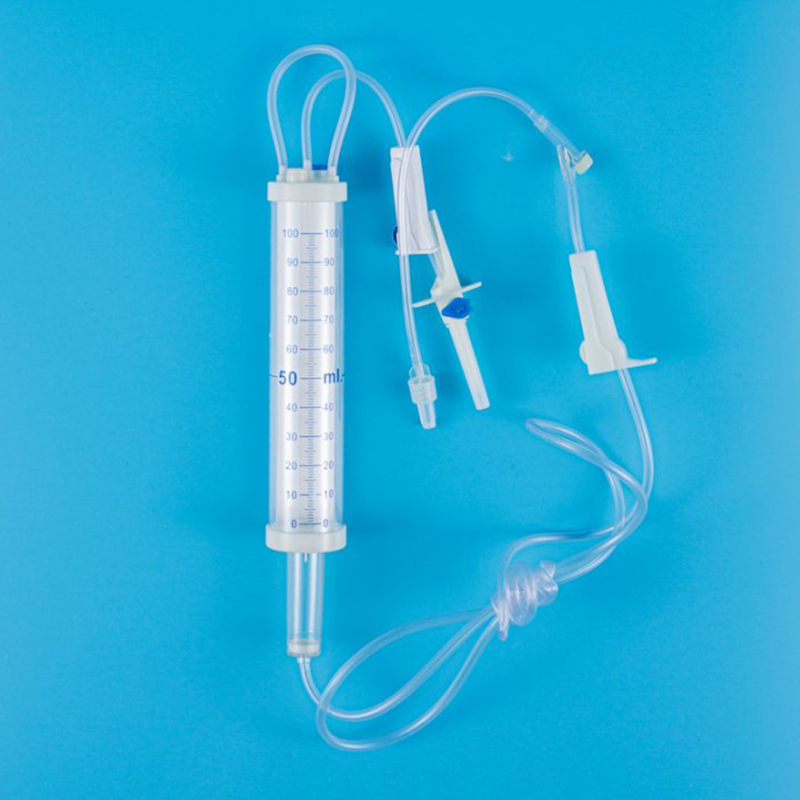
Field Care Challenges in Emergency and Temporary Settings
Emergency environments such as disaster zones, temporary shelters, transport ambulances, and outdoor medical stations often face limitations in infrastructure and staffing. Under these conditions, patient care focuses on maintaining hygiene, stabilizing basic physiological needs, and reducing manual workload for caregivers.
One of the common challenges is managing patients who require urinary drainage support while also receiving fluid therapy. Limited restroom access, restricted movement, and continuous monitoring needs make standard care procedures difficult to maintain. Economy Urine Bag solutions are used to support urinary output management in a controlled and hygienic manner, while Disposable Infusion Set systems help regulate fluid delivery when patients require hydration or medication administration.
Without streamlined tools, caregivers may face increased handling time, higher risk of contamination, and difficulties in maintaining consistent care routines. This is particularly relevant during mass casualty events or rapid patient turnover scenarios, where equipment simplicity becomes a practical requirement.
Practical Adjustments in Device Design and Use
Over time, both Economy Urine Bag and Disposable Infusion Set designs have shifted toward simpler structures and easier handling features suitable for field deployment. Rather than focusing on complex configurations, current usage-oriented designs prioritize clear graduations, flexible tubing, and compatibility with standard connectors.
The Economy Urine Bag is typically designed with lightweight materials, anti-reflux features, and straightforward drainage ports. These elements allow caregivers to perform quick emptying and replacement without extensive procedural steps. In field kits, the bag is often pre-packaged for single use to reduce cleaning requirements and cross-contamination risks.
The Disposable Infusion Set, on the other hand, is structured to support controlled fluid delivery through gravity or basic flow regulation components. In emergency kits, it is commonly paired with saline or medication containers, enabling immediate setup without additional calibration tools. The emphasis is placed on reducing assembly time and simplifying training requirements for non-specialist responders.
Together, these adjustments make both tools more adaptable to environments where speed, portability, and ease of handling are more important than long-term inpatient use complexity.
Common Usage Scenarios in Field Operations
The combined use of Economy Urine Bag and Disposable Infusion Set appears in several field-based care environments where temporary but continuous support is needed.
In disaster response shelters, patients who are immobile or recovering from injury may require urinary collection systems while receiving hydration therapy. The urine bag provides a contained solution for waste management, while the infusion set supports fluid balance maintenance.
During ambulance transport over long distances, particularly in rural or remote regions, both tools help maintain basic physiological stability. The infusion set allows controlled fluid administration during transit, while the urine bag reduces the need for frequent stops or manual intervention.
In military or field training medical stations, these tools are used in simulated or real scenarios where quick response is necessary. The disposable nature of both items reduces the need for sterilization equipment and simplifies logistics.
Home-based transitional care is another area where such tools are occasionally applied, especially when patients are discharged early but still require short-term monitoring and support before full recovery of mobility.
Observations from Field Deployment Cases
Field usage reports from temporary medical stations and emergency drills indicate that the combined use of Economy Urine Bag and Disposable Infusion Set can reduce manual handling steps in basic care routines. In simulated mass casualty exercises, medical teams noted that setup time for fluid and waste management procedures was shortened when pre-packed disposable systems were used.
For example, during a large-scale emergency drill involving temporary triage units, caregivers reported that standard urinary collection procedures required multiple steps involving container preparation and repeated handling. When Economy Urine Bag systems were introduced, the workflow shifted toward direct attachment and replacement cycles.Similarly, in transport scenarios involving long-distance patient relocation, the Disposable Infusion Set allowed continuous fluid delivery without frequent adjustment. This reduced interruptions during transit, especially when road conditions limited caregiver mobility inside ambulances.
While these observations vary depending on training level and environment, a consistent pattern is the reduction of procedural complexity rather than changes in clinical outcome measures. The tools primarily support workflow consistency and basic hygiene maintenance.
Frequently Asked Questions
- When are Economy Urine Bags typically used in emergency kits?
They are generally used when patients require temporary urinary collection support in environments where standard restroom access or catheter management facilities are limited.
- Can Disposable Infusion Sets be used without advanced medical equipment?
Yes, they are designed for basic gravity-based infusion and can be used with standard fluid containers, making them suitable for field and transport settings.
- Are these products intended for long-term hospital care?
They are mainly intended for short-term or transitional use in emergency, transport, or temporary care environments rather than long-term inpatient treatment.
NEXT:Modern IV Therapy: Disposable Infusion Set Fluid Control Benefits
Interested in cooperation or have questions?

-
 +86-0576-85229808
-
 [email protected]
-
 Gexi Village, Dongcheng Town, Linhai City, Zhejiang Province, China
Copyright © Linhai Shuangmei Medical Supplies Co., Ltd. All rights reserved. Approval No: 20240008. The information provided on this website is intended for use only in countries and jurisdictions outside of the People's Republic of China.
 Privacy Policy
Medical Supplies Urine Bags Factory