


 English
 русский
 Español
Modern IV Therapy: Disposable Infusion Set Fluid Control Benefits
Economy Urine Bag, Disposable Infusion Set are commonly used in routine clinical care where fluid management, patient monitoring, and short- to mid-term treatment support are required. In modern care environments, attention to fluid control accuracy and hygiene considerations has gradually shaped how these supplies are selected and applied.
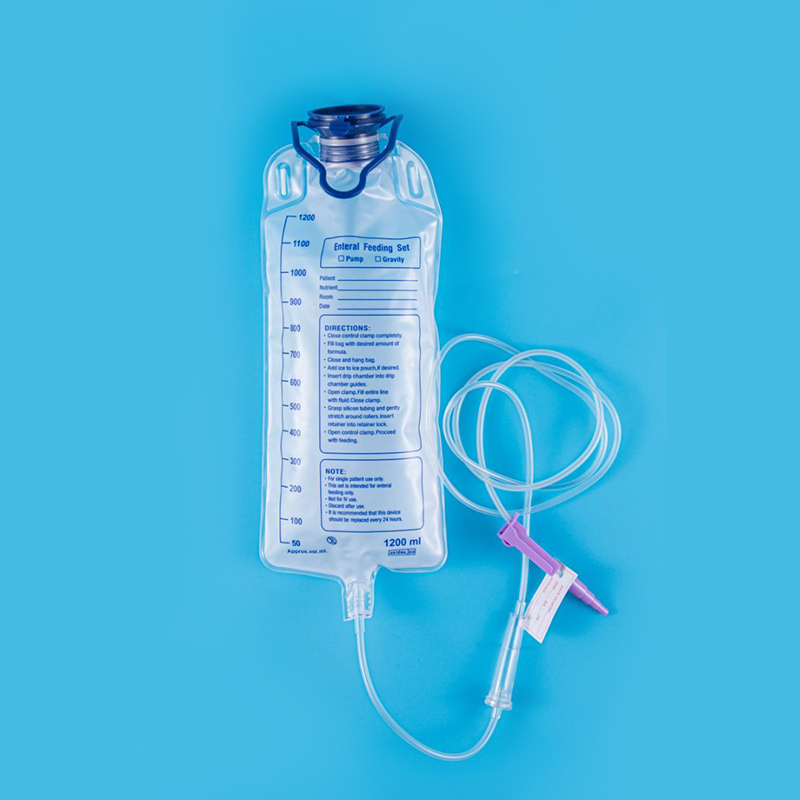
Shifting Demands in Routine Clinical Care
In many general wards, outpatient units, and post-operative recovery settings, care teams often manage patients who require both fluid therapy and urinary output observation. While these two functions are different in purpose, they are frequently part of the same care pathway, especially for patients undergoing hydration therapy, antibiotic administration, or recovery monitoring.
Traditional infusion and urine collection practices relied heavily on reusable components and manual observation methods. This created variability in handling procedures and required more frequent attention from nursing staff. In addition, manual tracking of fluid intake and output could cause delays in documentation or inconsistencies in measurement, particularly during busy shifts.
Disposable systems, including infusion sets and urine collection bags, emerged in response to these operational needs. They reduce the need for repeated sterilization cycles and simplify workflow structure in environments where patient turnover is relatively high. At the same time, they support more structured fluid management routines without requiring complex equipment adjustments.
Product and Technical Adjustments in Fluid Management Tools
Disposable Infusion Set designs have evolved toward more controlled flow regulation and simplified connection interfaces. These improvements are not only about convenience but also about creating more predictable administration patterns during IV therapy.
A typical disposable infusion set now includes several functional components that work together to manage fluid delivery:
|
Component |
Functional Role |
|
Drip chamber |
Helps visualize and stabilize drop formation |
|
Flow regulator |
Adjusts infusion speed within a controlled range |
|
Tubing system |
Transfers fluid from container to patient line |
|
Injection port |
Allows additional medication administration without disconnection |
|
Connector hub |
Links to IV catheter securely |
Economy Urine Bag systems are often used alongside infusion therapy to monitor output levels in patients receiving fluid treatment. The structure generally includes a collection chamber, drainage tube, and anti-reflux design elements to reduce backflow risks during positioning changes.
When used together in clinical workflows, these two products support a more complete view of fluid balance. The infusion set manages input delivery, while the urine bag provides output tracking, allowing care providers to align both values during routine assessments.
Clinical Application Scenarios
Disposable infusion and urine management tools are used across a wide range of care environments. Their usage is not limited to high-acuity settings but extends into everyday clinical practice.
Common application scenarios include:
- Post-operative recovery rooms where fluid balance monitoring is required during early recovery stages
- Internal medicine wards managing dehydration or electrolyte correction therapies
- Geriatric care units where patients may require assisted fluid intake and output tracking
- Outpatient treatment rooms providing short-duration IV medication administration
- Emergency observation areas where rapid fluid adjustment may be necessary depending on patient response
In these settings, disposable systems reduce the need for equipment reprocessing and help maintain a more consistent workflow. Nursing staff can focus more on patient observation and documentation rather than handling sterilization procedures between uses.
The combination of infusion sets and urine collection bags also allows for more straightforward recording of intake-output charts, which are commonly used in clinical decision-making.
Practical Observations from Routine Usage
Observational feedback from clinical environments shows that structured fluid control systems can simplify documentation routines and reduce manual tracking errors. For example, in wards where infusion rates are frequently adjusted, the presence of a flow regulator helps maintain a more stable delivery pattern without constant recalibration.
A simplified comparison of workflow characteristics can be illustrated as follows:
|
Aspect |
Traditional Setup |
Disposable System Setup |
|
Equipment preparation |
Reusable sterilization required |
Ready-to-use packaging |
|
Fluid tracking |
Manual measurement |
Combined input-output monitoring |
|
Workflow steps |
Multiple handling stages |
Reduced handling stages |
|
Cross-patient usage |
Requires cleaning cycles |
Single-use design |
In routine practice, the integration of Economy Urine Bag with infusion therapy setups allows caregivers to observe fluid balance trends more directly. While it does not replace clinical judgment, it provides structured data points that support ongoing evaluation.
Role in Broader Healthcare Workflow Structure
The increasing use of disposable infusion systems reflects a broader shift in healthcare toward standardized, single-use components in non-complex care environments. This shift is influenced by the need to streamline workflows, reduce equipment turnaround time, and maintain consistent handling procedures across different care teams.
From an operational perspective, Disposable Infusion Set systems contribute to a more organized distribution of clinical tasks. Instead of dividing attention between equipment maintenance and patient care, healthcare staff can allocate more time to monitoring patient responses and adjusting treatment plans based on observed data.
Economy Urine Bag usage complements this structure by supporting routine output tracking without additional instrumentation. Together, these tools form part of a broader fluid management approach that is practical for everyday clinical environments rather than specialized procedures alone.
Frequently Asked Questions (FAQ)
- What is the main function of a disposable infusion set?
A disposable infusion set is used to deliver fluids, medications, or nutrients directly into the bloodstream in a controlled manner during IV therapy.
- Why are Economy Urine Bags used alongside infusion therapy?
They are used to monitor urinary output, which helps healthcare providers assess fluid balance during and after infusion treatments.
- Can infusion rate be adjusted manually?
Yes, many disposable infusion sets include a flow regulator that allows adjustment of fluid delivery speed within a defined range.
- Are these products suitable for long-term use?
They are generally intended for short- to mid-term use in clinical settings and are replaced according to care protocols.
- How is fluid balance monitored using these systems?
Fluid intake is recorded through infusion volumes, while output is measured via urine collection bags, allowing comparison during clinical evaluation.
NEXT:Home Nursing Efficiency: Disposable Infusion Set Safe Administration Practices
Interested in cooperation or have questions?

-
 +86-0576-85229808
-
 [email protected]
-
 Gexi Village, Dongcheng Town, Linhai City, Zhejiang Province, China
Copyright © Linhai Shuangmei Medical Supplies Co., Ltd. All rights reserved. Approval No: 20240008. The information provided on this website is intended for use only in countries and jurisdictions outside of the People's Republic of China.
 Privacy Policy
Medical Supplies Urine Bags Factory