


 English
 русский
 Español
Home Nursing Efficiency: Disposable Infusion Set Safe Administration Practices
Economy Urine Bag and Disposable Infusion Set are often used together in home nursing care scenarios where patient mobility and routine clinical support need to be managed outside hospital environments. Their combined use is closely related to daily fluid management and controlled infusion processes, which require attention to handling methods and usage routines.
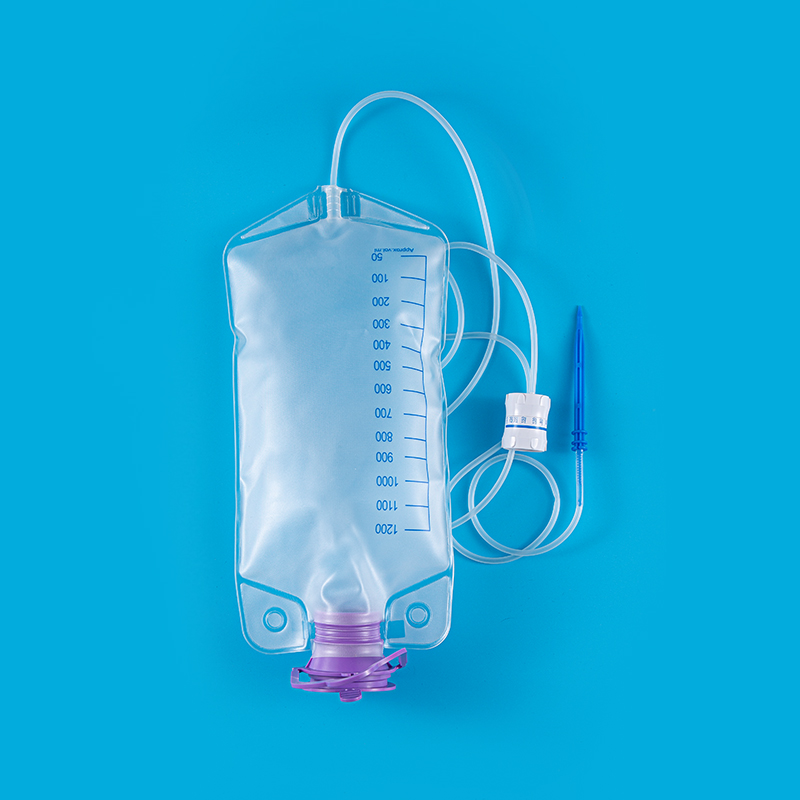
Home care needs and practical challenges
Home nursing environments are usually less standardized than clinical wards, which means caregivers often need to handle multiple tasks at once, including fluid intake monitoring, waste management, and infusion support. In such settings, Economy Urine Bag is commonly used for patients with limited mobility or urinary incontinence, while Disposable Infusion Set supports controlled administration of fluids or medications prescribed by healthcare professionals.
One of the main challenges in home care is maintaining consistency in procedure. Unlike hospital settings where equipment and protocols are standardized, home environments depend heavily on caregiver familiarity. Issues such as improper connection of tubing, irregular replacement intervals, or limited monitoring can affect the overall workflow. Additionally, storage space, waste disposal routines, and patient comfort during long-term care are also practical concerns that need attention.
Product and handling practice developments
Recent adjustments in home-use medical supplies have focused on simplifying structure and improving handling clarity. Disposable Infusion Set designs now often emphasize straightforward connection interfaces and clearly marked flow components, reducing the likelihood of setup confusion. Economy Urine Bag systems are also structured to support easier drainage control and secure attachment to reduce unnecessary handling during routine use.
In terms of usage practice, several operational improvements are commonly recommended:
- Clear labeling on infusion tubing segments helps caregivers identify flow direction more easily
- Color-coded connectors assist in distinguishing between different catheter or bag types
- Pre-assembled components reduce the number of steps needed during setup
- Leak-resistant sealing structures help maintain stable fluid containment during movement
- Standardized replacement cycles support more predictable care routines
These design and practice changes do not fundamentally alter the clinical purpose of the devices but aim to make handling more manageable in non-clinical environments.
Typical usage environments and application scope
Disposable Infusion Set and Economy Urine Bag are used in a range of home care situations, particularly for patients recovering from surgery, individuals with long-term mobility limitations, and elderly users requiring continuous supportive care. In many cases, caregivers rotate between monitoring fluid intake, managing infusion schedules, and handling urine collection routines within the same daily cycle.
Home nursing applications generally include:
- Post-operative recovery care where intravenous fluid administration is still required
- Long-term bed rest cases requiring regular fluid monitoring
- Elderly care support where urinary collection systems are used alongside hydration management
- Rehabilitation stages where patients transition from hospital to home-based care
In these contexts, the emphasis is on routine stability rather than complex intervention. The equipment is selected based on compatibility with home environments, ease of handling, and suitability for repeated daily use.
Observed usage patterns and care data overview
Field observations from home care setups indicate that structured usage routines tend to reduce handling errors and improve overall workflow consistency. While outcomes vary depending on patient condition and caregiver experience, certain patterns are commonly recorded in home nursing support environments.
|
Aspect |
Observation in Home Care Settings |
|
Infusion setup time |
Generally shorter when components are pre-assembled |
|
Tubing connection errors |
Reduced when color-coded connectors are used |
|
Urine bag handling frequency |
More stable when drainage points are clearly marked |
|
Replacement routine adherence |
Improved with scheduled reminder systems |
|
Caregiver workload distribution |
More balanced when tasks are standardized |
These observations reflect practical workflow behavior rather than clinical performance metrics. They highlight how structured equipment design can influence daily handling efficiency in home care routines.
Role in modern home healthcare systems
As home healthcare becomes more structured, equipment like Economy Urine Bag and Disposable Infusion Set plays a supporting role in bridging hospital procedures with domestic caregiving environments. Their function is not limited to single-use scenarios but extends into continuous care cycles where routine management is essential.
From a system perspective, these products contribute to a more organized home care framework by reducing procedural uncertainty and supporting repeatable handling steps. This is particularly relevant in cases where multiple caregivers may rotate responsibilities, requiring consistent setup logic and predictable component behavior.
In addition, the shift toward simplified medical consumables reflects a broader trend in healthcare decentralization. Patients are increasingly managed at home for extended periods, which places more emphasis on user-friendly design and standardized operation rather than complex clinical intervention tools.
Frequently Asked Questions
- Can Economy Urine Bag be used for long-term home care?
It is generally used in both short-term and extended care situations, depending on patient condition and hygiene management practices.
- How often should a Disposable Infusion Set be replaced?
Replacement frequency depends on medical guidance, infusion type, and usage duration. Caregivers typically follow prescribed intervals provided by healthcare professionals.
- Is special training required to handle these products at home?
Basic instruction is usually provided by medical staff. Familiarity with connection points, flow control, and hygiene handling is important.
NEXT:Why Dosing Pipette Matters In Laboratory Accuracy
Interested in cooperation or have questions?

-
 +86-0576-85229808
-
 [email protected]
-
 Gexi Village, Dongcheng Town, Linhai City, Zhejiang Province, China
Copyright © Linhai Shuangmei Medical Supplies Co., Ltd. All rights reserved. Approval No: 20240008. The information provided on this website is intended for use only in countries and jurisdictions outside of the People's Republic of China.
 Privacy Policy
Medical Supplies Urine Bags Factory