


 English
 русский
 Español
Workflow Of Nurses During Urine Bag Replacement
Effective management of urine collection systems is essential in clinical environments to maintain patient safety and prevent infections. As part of routine care, nurses are responsible for handling the replacement of devices such as pee disposable bags and urine specimen bags. This task demands strict attention to hygiene, proper handling techniques, and patient comfort, while following established medical procedures to ensure accurate and safe fluid management.
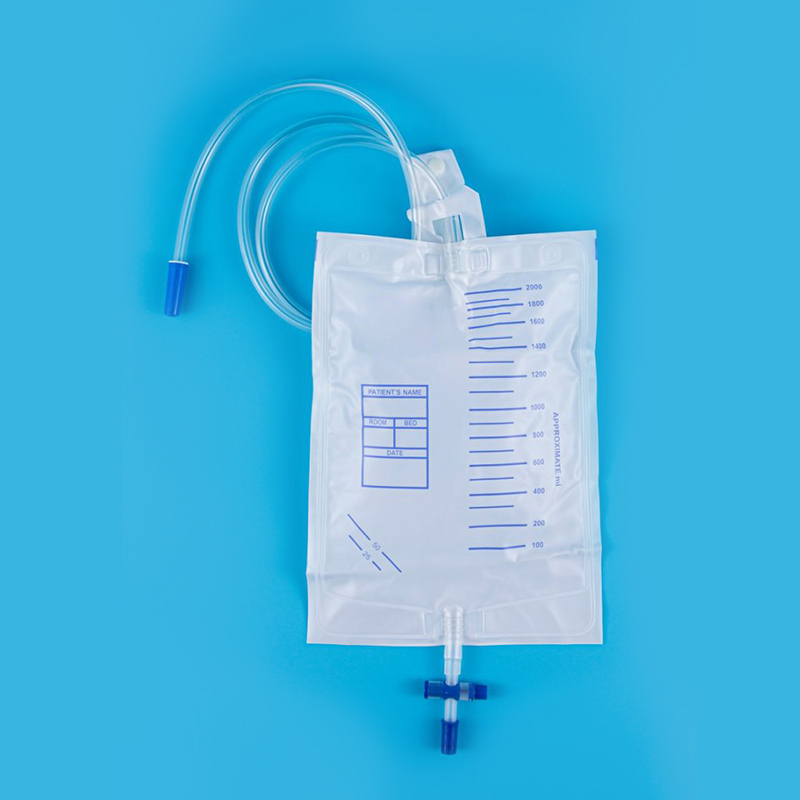
The one step in the workflow is preparation. Before approaching the patient, nurses gather all necessary medical supplies and accessories. This typically includes a new disposable urine bag, gloves, antiseptic wipes, and securement devices for tubing. Ensuring that all items are ready reduces the time spent in close proximity to the patient, which in turn lessens potential contamination risks. Nurses also check the labels and expiration dates of disposable bags to confirm their suitability for use.
Hand hygiene is essential before initiating any procedure involving urinary devices. Nurses thoroughly wash or sanitize their hands and wear clean gloves. This step protects both the patient and the healthcare professional from the transmission of microorganisms. In addition, nurses explain the procedure to the patient, providing reassurance and maintaining privacy. Clear communication helps patients understand what to expect, which can reduce anxiety and enhance cooperation during the replacement process.
When disconnecting the old urine bag, nurses follow a systematic approach. They position the bag below the level of the bladder to prevent backflow and carefully detach it from the catheter or tubing. Attention is given to avoid spilling any collected fluid, as this could pose a risk of contamination or infection. The removed bag is immediately disposed of according to the facility's medical waste protocols. During this step, nurses inspect the tubing and catheter for signs of blockage, leakage, or wear. Identifying these issues early allows for timely intervention and prevents complications.
The next phase involves attaching the new urine bag. Nurses ensure the connection is secure and that the tubing is free from kinks or obstructions. Disposable pee bags are positioned appropriately, considering both gravity and patient comfort, to facilitate efficient urine drainage. For urine specimen bags, special attention is given to maintaining sterility so that samples are not compromised. Nurses may also use additional medical supplies and accessories, such as clips or holders, to stabilize the bag and prevent accidental dislodgement.
Throughout the procedure, nurses monitor the patient for any signs of discomfort or distress. Maintaining patient comfort is an important aspect of urinary care, particularly for long-term or bedridden patients. Nurses adjust the position of the bag and tubing as needed, ensuring that the device does not restrict movement or cause pressure on the skin. Documentation is another key component of the workflow. Nurses record the replacement time, type of urine bag used, and any observations regarding urine characteristics or patient response. Accurate documentation supports continuity of care and allows healthcare teams to track potential issues.
Finally, hand hygiene is repeated after the procedure, and all used materials are disposed of safely. The workflow concludes with a final inspection to ensure that the patient is comfortable, the urine bag is functioning properly, and the surrounding area is clean. Regular training and adherence to standardized protocols help nurses perform these tasks efficiently and consistently, reducing the risk of infection and promoting safe patient care.
Whether using a disposable pee bag or a urine specimen bag, the process involves systematic steps that prioritize safety and proper function. By following established procedures and utilizing appropriate medical supplies and accessories, nurses play a key role in effective urinary management and maintaining high standards of healthcare practice.
NEXT:Impact Of Lightweight Design On Patient Comfort
Interested in cooperation or have questions?

-
 +86-0576-85229808
-
 [email protected]
-
 Gexi Village, Dongcheng Town, Linhai City, Zhejiang Province, China
Copyright © Linhai Shuangmei Medical Supplies Co., Ltd. All rights reserved. Approval No: 20240008. The information provided on this website is intended for use only in countries and jurisdictions outside of the People's Republic of China.
 Privacy Policy
Medical Supplies Urine Bags Factory