


 English
 русский
 Español
Daily Management Of Drainage Products In Recovery Wards
Proper management of drainage products in recovery wards is vital for supporting patient well-being and maintaining a safe clinical environment. Disposable urine bags, commonly used in such settings, serve as important medical devices for patients who have limited mobility. Ensuring correct handling and routine maintenance of these bags is essential to prevent potential complications and to promote efficient fluid management during the recovery process.
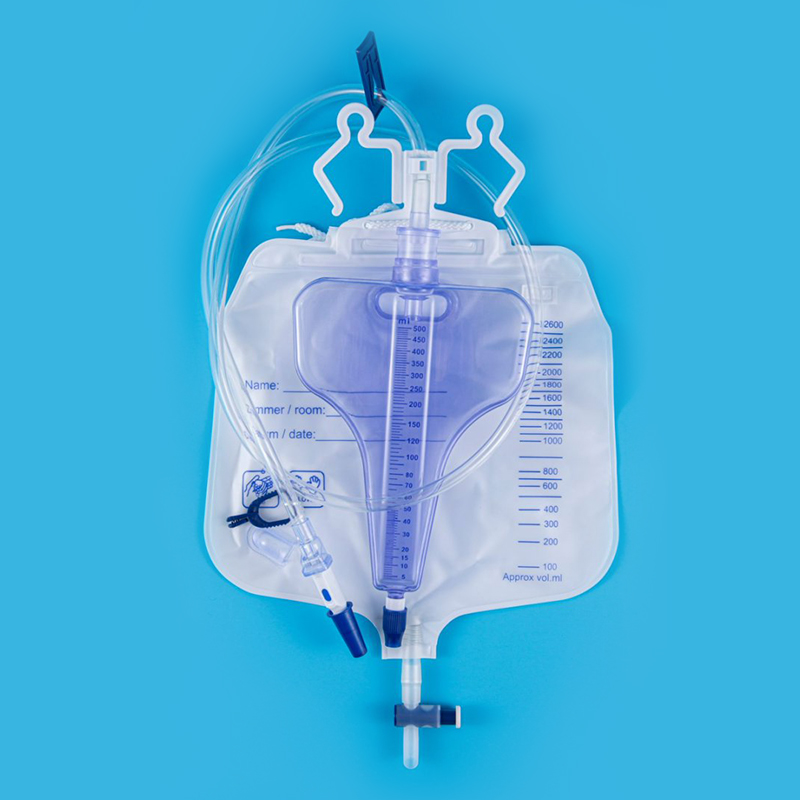
In recovery wards, nurses and caregivers follow established protocols to manage urine bags and other drainage products. These protocols include checking the device regularly, monitoring the collected volume, and ensuring that tubing is positioned correctly to avoid kinks or backflow. Maintaining a hygienic environment is a key aspect of daily management, as urine bags are medical equipment and accessories that directly contact body fluids. Sterile handling and frequent replacement of disposable components help reduce the risk of infection and cross-contamination within the ward.
One of the primary considerations in using pee disposable urine bags is the patient's comfort. The design of these bags allows for flexibility in movement while less pressure or discomfort around the attachment site. In addition to proper positioning, securing the tubing to the patient's bed or clothing prevents accidental tugging or dislodgement. This practice not only protects the integrity of the device but also supports patient mobility, which is an important factor in recovery.
Daily management also involves careful observation of the urine collected in the bag. Nurses assess the volume, color, and clarity of the fluid, which can provide important information about the patient's hydration status and kidney function. Any significant changes are documented and communicated to the attending physician for further evaluation. In this context, pee disposable urine bags are not only medical equipment and accessories but also tools that contribute to monitoring overall patient health.
Another key element in managing urine bags in recovery wards is timely replacement. Disposable bags are designed for single use to maintain hygiene standards and lessen the risk of bacterial growth. The replacement schedule is generally determined by hospital protocols, patient condition, and the volume of fluid collected. During replacement, proper hand hygiene, wearing gloves, and careful disposal of the used bag are mandatory to uphold infection control measures.
Training and awareness among nursing staff are also important for effective management of medical supplies and devices. Staff members must understand the correct installation, handling, and disposal of urine bags, as well as the potential risks associated with improper use. Regular training sessions, refresher courses, and practical demonstrations help ensure that caregivers maintain a consistent standard of care.
In addition to daily care, maintenance of supporting equipment is a consideration. Bedside stands, hooks, or clamps used to hold urine bags must be checked regularly for stability and cleanliness. Ensuring that these accessories are functional reduces the likelihood of accidental spills or device failures. Moreover, storage of unused pee disposable urine bags in a clean, dry area protects the integrity of the medical supplies and devices before they are needed.
Collaboration between nursing staff, physicians, and ward management is essential in establishing effective drainage management routines. Clear communication about patient needs, device schedules, and observations helps create a safe and responsive care environment. The integration of pee disposable urine bags into these routines supports both patient recovery and efficient ward operations.
Pee disposable urine bags, as part of the broader category of medical equipment and accessories, serve both functional and observational purposes. Proper handling ensures patient comfort, fewer infection risks, and provides valuable health information. By maintaining a structured approach, healthcare professionals can contribute to a safer and more supportive recovery experience for patients while efficiently managing medical supplies and devices within the ward.
NEXT:Workflow Of Nurses During Urine Bag Replacement
Interested in cooperation or have questions?

-
 +86-0576-85229808
-
 [email protected]
-
 Gexi Village, Dongcheng Town, Linhai City, Zhejiang Province, China
Copyright © Linhai Shuangmei Medical Supplies Co., Ltd. All rights reserved. Approval No: 20240008. The information provided on this website is intended for use only in countries and jurisdictions outside of the People's Republic of China.
 Privacy Policy
Medical Supplies Urine Bags Factory