


 English
 русский
 Español
Tube Kink Prevention Through Design Optimization
In the field of medical care, the efficiency and reliability of urine collection systems play a vital role in patient management and comfort. Among these systems, plastic urine bags are widely used as a disposable solution for collecting and storing urine, particularly for adults who require continuous monitoring or have limited mobility. The performance of these urine collection systems can be influenced by multiple factors, and one issue that healthcare providers frequently encounter is tube kinking. Tube kinking can impede the flow of urine, create back pressure, and increase the risk of leakage or discomfort for patients. Addressing this issue through design optimization is an essential step in enhancing the usability of medical feeding supplies and urine collection bags for adults.
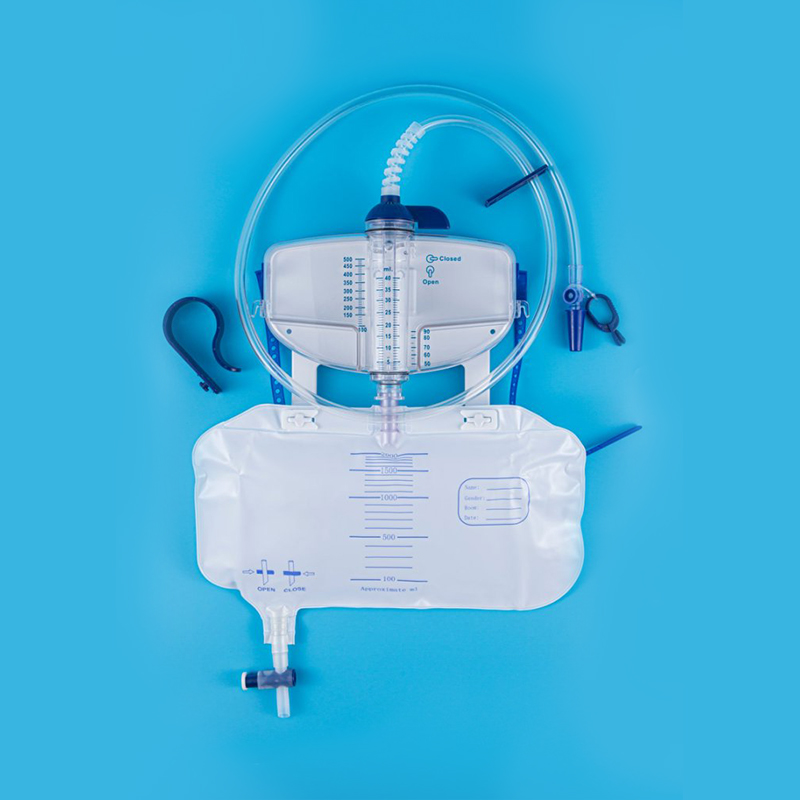
Tube kinks typically occur when flexible tubing bends sharply or twists during routine use. This can be caused by patient movement, improper positioning of the bag, or the characteristics of the tube material itself. In response, manufacturers of medical feeding supplies and urine collection bags have explored various strategies to reduce the occurrence of kinks. One approach involves selecting materials with improved flexibility and resilience. Certain plastics allow the tube to maintain its shape even under bending stress, reducing the likelihood of obstruction without compromising durability. By balancing flexibility with strength, these tubes can support continuous urine flow while withstanding repeated manipulation during caregiving.
Another important aspect of design optimization is the internal diameter and wall thickness of the tubing. Tubes that are too narrow or have uneven wall thickness may collapse under slight pressure or bend sharply at junctions. Adjusting these parameters can help maintain consistent urine flow while ensuring the tube remains lightweight and easy to handle. Additionally, some designs incorporate gentle ridges or spiral reinforcement along the tube, which can prevent kinking without creating additional bulk. These design elements provide structural support while allowing the tubing to remain pliable enough for everyday use.
The configuration and positioning of the urine collection bag itself also play a significant role in preventing tube kinks. Proper placement of the bag relative to the patient's body and bed height can lessen bends and sharp angles in the tubing. Some medical feeding supplies include hooks, clips, or integrated straps to secure the bag in a stable position, ensuring that the tube remains straight along its path. Although these attachments do not alter the tubing material, they contribute to maintaining continuous flow and reducing the stress on both the tube and the connection points.
Attention to the junctions between tubing and connectors is equally important. Smooth transitions between the tube and bag ports or catheter connectors can prevent points of sharp bending that might otherwise advance to kinking. Medical supplies designed with slightly tapered connectors or flexible collars allow for easier alignment and reduce the risk of obstruction at these critical points. Caregivers benefit from this design by experiencing fewer interruptions in urine collection and requiring less frequent monitoring or adjustment of the system.
Finally, training and guidance for healthcare staff and patients also support the prevention of tube kinking. Even with improved materials and design, improper handling or positioning can still advance to flow issues. Clear instructions for handling, securing, and monitoring the tubing help ensure that urine collection bags for adults function reliably over extended periods. By combining material selection, structural design, and practical usage guidance, medical supplies can offer consistent performance without compromising patient safety or comfort.
Thoughtful selection of materials, attention to tube dimensions, reinforcement features, connector design, and stable positioning all contribute to maintaining continuous urine flow. These improvements not only enhance the reliability of urine collection systems but also support patient comfort and caregiver efficiency. As healthcare continues to evolve, focusing on such practical design enhancements ensures that disposable medical supplies remain effective and user-friendly in both clinical and home care settings.
NEXT:Daily Management Of Drainage Products In Recovery Wards
Interested in cooperation or have questions?

-
 +86-0576-85229808
-
 [email protected]
-
 Gexi Village, Dongcheng Town, Linhai City, Zhejiang Province, China
Copyright © Linhai Shuangmei Medical Supplies Co., Ltd. All rights reserved. Approval No: 20240008. The information provided on this website is intended for use only in countries and jurisdictions outside of the People's Republic of China.
 Privacy Policy
Medical Supplies Urine Bags Factory