


 English
 русский
 Español
Impact Of Lightweight Design On Patient Comfort
Patient comfort remains a central concern in the development of medical consumables within healthcare. Products such as male wee bags and urine sample bags are essential in both clinical and home care environments, providing reliable fluid collection for patients. The way these devices are designed can significantly affect the user experience, especially for individuals who require prolonged use or ongoing monitoring. Emphasis on lightweight and ergonomic designs has emerged as an important factor, supporting ease of handling and improving overall patient comfort.
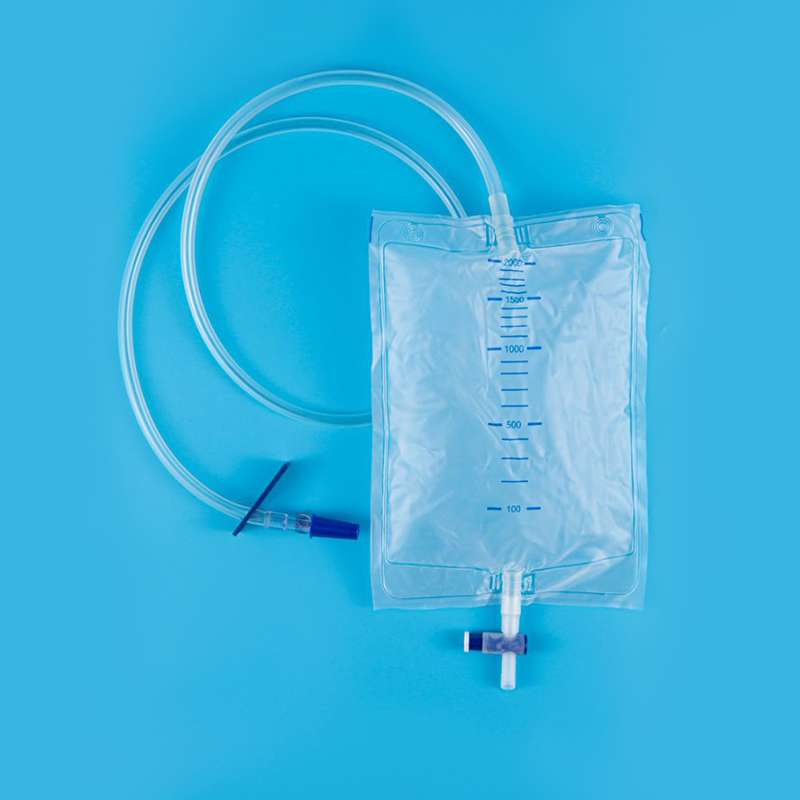
Traditional urine collection devices often involve bulkier materials and rigid structures. While these designs provide functional durability, they can contribute to discomfort for users, especially those with mobility limitations or extended periods of use. Lightweight alternatives, by contrast, prioritize the reduction of material weight without compromising sterility or safety standards. For male patients using wee bags, lighter materials reduce strain and make the device easier to secure, manage, and transport. The reduced weight can also lessen the likelihood of skin irritation or pressure marks, which is particularly relevant for bedridden or elderly patients.
Urine sample bags similarly benefit from lightweight construction. In clinical environments where frequent collection and transport of samples are required, staff and patients alike find lighter devices more manageable. Medical personnel can handle these products with greater ease and less risk of spills or accidents during movement. Moreover, lightweight sample bags can improve the accuracy of sample handling, as patients are less likely to experience discomfort that could interfere with proper positioning or collection.
Material selection is central to achieving these lightweight designs. Flexible polymers and medical-grade plastics allow manufacturers to reduce bulk while maintaining structural integrity. These materials are also compatible with sterile packaging, an essential requirement for medical consumables products. In addition, they offer the flexibility to create features such as anti-reflux valves and reinforced tubing without adding unnecessary weight. The balance between durability and small weight supports both patient safety and ease of handling.
Another advantage of lightweight design is its influence on patient mobility. Patients using male wee bags may need to move between bed, bathroom, and other areas within a care facility or home environment. Heavy or cumbersome devices can restrict movement and increase dependency on caregivers. Lighter designs facilitate greater independence, allowing patients to maintain daily routines with small discomfort or assistance. This can positively impact mental well-being, as patients feel less encumbered and more in control of their care.
Comfort extends beyond physical ease to include discreetness and unobtrusiveness. Lightweight male wee bags and urine sample bags can be worn or carried with less noticeable bulk, reducing patient self-consciousness and promoting a sense of normalcy. This aspect is particularly important for long-term patients or those in social environments, where the visibility of medical devices may influence confidence and daily interactions. By prioritizing lightweight design, manufacturers address both practical and psychological dimensions of patient comfort.
Healthcare facilities also benefit from lightweight medical consumables products. Reduced material usage can lower shipping costs and improve storage efficiency, allowing facilities to manage supplies more effectively. Staff handling these products during patient care experience less physical strain, which can contribute to improved efficiency and reduced fatigue over time. Overall, the adoption of lightweight designs represents a practical improvement in both patient experience and operational workflow.
Male wee bags and urine sample bags serve as key examples of how thoughtful design can enhance the patient experience without compromising essential medical standards. By focusing on materials, structure, and usability, medical consumables products can support both patient independence and caregiver efficiency, demonstrating the importance of ergonomics and user-centered design in healthcare environments.
NEXT:Application Of Urine Bags In Palliative Care Nursing
Interested in cooperation or have questions?

-
 +86-0576-85229808
-
 [email protected]
-
 Gexi Village, Dongcheng Town, Linhai City, Zhejiang Province, China
Copyright © Linhai Shuangmei Medical Supplies Co., Ltd. All rights reserved. Approval No: 20240008. The information provided on this website is intended for use only in countries and jurisdictions outside of the People's Republic of China.
 Privacy Policy
Medical Supplies Urine Bags Factory