

 English
 русский
 Español
Where Can Urine Meter Improve Workflow in Nursing Stations?
Daily routines in clinical environments often involve repetitive tasks that require precision, such as checking urine output for patients in recovery or those with unstable fluid balance. Devices like the Urine Meter and Paediatric Urine Collector contribute to these routines by offering a clearer way to observe urine volume without depending on estimation. Understanding how they influence workflow at nursing stations helps staff organize responsibilities and maintain consistency throughout shifts.
Why Nursing Stations Benefit From Structured Monitoring Tools
Nursing teams must manage multiple patients simultaneously, each with different monitoring needs. Accurate urine measurement is one part of this workload, especially for postoperative patients, individuals with kidney concerns, or infants requiring closer observation. Traditional drainage bags provide general volume information, but they are not always suited for situations where precise hourly tracking is required.
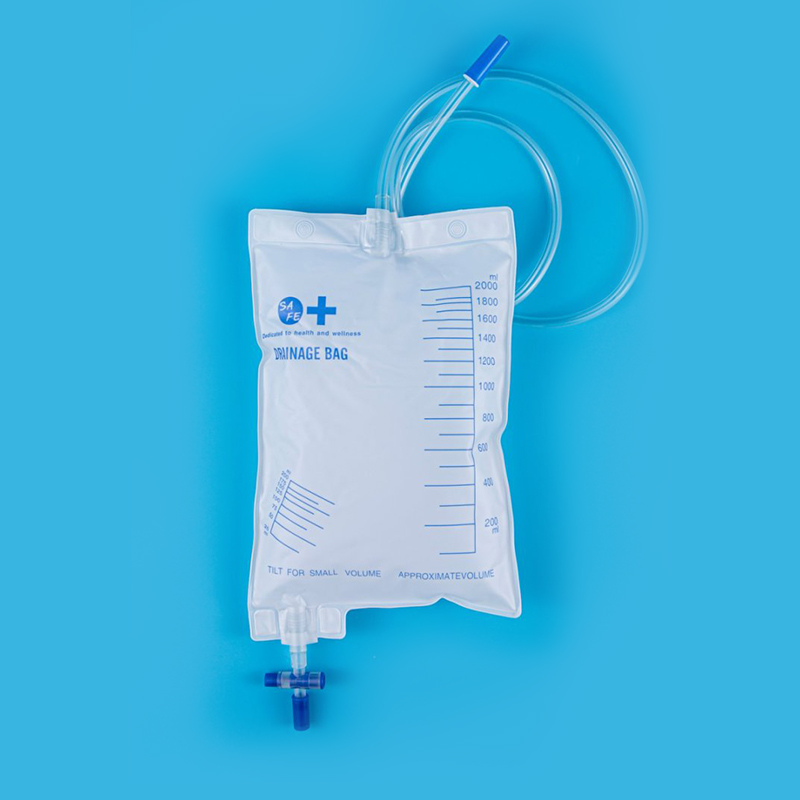
A urine meter addresses this need by offering a chamber with clear graduation marks, allowing staff to document urine output with ease. For infants, a paediatric urine collection device supports similar routines by capturing urine in a controlled manner, avoiding the uncertainty that comes with diaper-based checks. These tools help reduce guesswork and support communication among staff members during patient reviews.
Supporting Hourly Checks With Clear Measurement Chambers
One area where a urine meter directly influences workflow is hourly urine monitoring. In many postoperative or intensive care protocols, nurses must record output at set intervals. With a measurement chamber, observations can be made quickly, reducing the time spent interpreting partially filled bags.
The design allows urine to enter the chamber before flowing into the larger reservoir. This setup avoids repeated lifting or tilting of the entire drainage bag. Nurses can simply read the markings and record the volume, making the process straightforward during busy hours.
The clarity of the chamber is also useful during shift changes. Staff who take over the next shift can review recent measurements without confusion, helping maintain continuity of care.
How the Urine Meter Assists During Rounds and Documentation
Daily rounds often involve multiple checks—vital signs, fluid balance, medication updates, and wound assessments. A urine meter helps streamline this process by providing immediate visual data. A quick glance at the chamber allows nurses to determine whether output aligns with expected ranges or if further attention is required.
Additionally, documentation becomes quicker when accurate readings are readily available. Paper charts or digital systems depend on consistent data entry. The meter supports this by reducing variability in how measurements are read. This contributes to smoother coordination with doctors, who rely on recorded information to adjust treatment plans.
Improving Workflow in Rooms With Limited Mobility Patients
Patients who cannot move easily—such as those recovering from abdominal surgery, spine procedures, or certain chronic conditions—often require careful handling. A urine meter helps reduce the need to reposition patients frequently during urine checks. Instead of lifting the drainage bag or shifting the patient, nursing staff can simply observe the chamber.
This creates benefits for both patients and staff. Patients experience fewer disturbances, and nurses spend less time adjusting bedding or repositioning equipment. With safer and calmer routines, staff can focus on other essential tasks in the nursing station.
How Paediatric Urine Collector Supports Infant Care Without Disruption
While the urine meter is designed for older patients, the paediatric urine collector plays an important role in infant care. Diapers can make urine estimation difficult, especially when stool is present or when urine volume is small. The collector captures urine directly, supporting monitoring routines without requiring frequent diaper checks.
This reduces the number of steps caregivers must take during rounds. Nurses can check the collector visually instead of weighing or squeezing diapers. It also supports cleaner sample collection if laboratory testing is required. Because sample contamination is a concern in infant care, having a controlled way to collect urine helps keep routines manageable.
Reducing Workflow Interruptions Through Simple Handling and Sampling
Another practical advantage in nursing stations is the sampling port often included in urine meter designs. When a sample is required for laboratory analysis, staff can withdraw urine through the port without disconnecting tubing or transferring the patient. This reduces the number of steps involved and helps maintain hygiene during handling.
For infant cases, the paediatric collector similarly supports sample collection without complicated procedures. Staff can transfer urine safely to a sterile container, avoiding the challenges associated with diaper extraction.
Together, these features help nursing stations reduce unnecessary interruptions and distribute time more efficiently among patient care tasks.
NEXT:When Should Paediatric Urine Collector Be Applied in Clinics?
Interested in cooperation or have questions?

-
 +86-0576-85229808
-
 [email protected]
-
 Gexi Village, Dongcheng Town, Linhai City, Zhejiang Province, China
Copyright © Linhai Shuangmei Medical Supplies Co., Ltd. All rights reserved. Approval No: 20240008. The information provided on this website is intended for use only in countries and jurisdictions outside of the People's Republic of China.
 Privacy Policy
Medical Supplies Urine Bags Factory