


 English
 русский
 Español
How Can Urine Meter Assist Healthcare Teams During Emergency Cases?
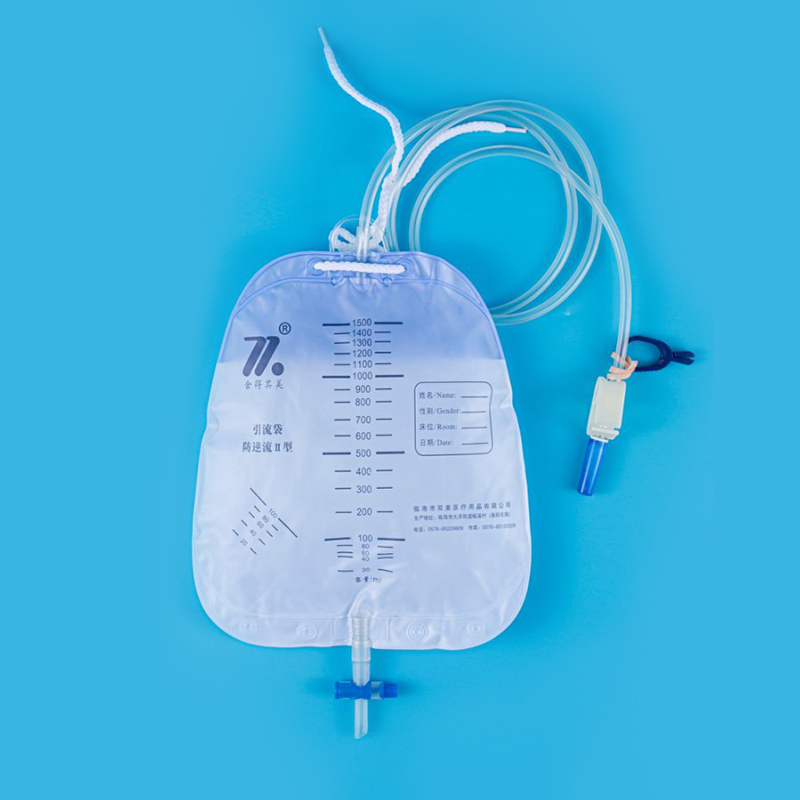
Emergency departments often face rapidly shifting situations where every detail matters, from monitoring vital signs to evaluating organ function under pressure. Devices such as the Urine Meter and Paediatric Urine Collector support these efforts by offering a structured way to observe urine output during critical moments. Their presence helps clinical teams gather clearer information without depending on rough estimation, which can be essential when time-sensitive decisions must be made.
Why Urine Output Matters During Emergency Assessments
Urine output is one of the early indicators clinicians use to assess hydration, kidney perfusion, blood flow adequacy, and overall patient stability. During emergencies—such as trauma, shock, sepsis, or major postoperative complications—fluid balance must be monitored closely. Small fluctuations may signal changes in the patient’s condition.
Traditional drainage bags can show general volume, but they often lack the precision needed when assessments must be made minute by minute. A urine meter supports emergency evaluations by presenting measurable volume in a clear chamber, helping healthcare teams record output accurately and quickly.
For infants, especially in pediatric emergency rooms or neonatal units, a paediatric urine collector offers a controlled method to obtain urine, avoiding the uncertainty that comes with diaper checks during urgent evaluations. Together, both tools contribute to more organized and timely decision-making.
Using the Urine Meter During Shock and Fluid Resuscitation
Shock management depends heavily on detailed fluid monitoring. When a patient is receiving intravenous fluids or blood products, clinicians need to understand whether the kidneys are responding appropriately. Urine output is a practical indicator in these situations.
A urine meter allows staff to track hourly or even more frequent changes without moving the drainage bag or disturbing the patient. The measurement chamber provides clear markings, making it easier to document small increments. This becomes helpful during:
Hemorrhagic shock
Septic shock
Cardiogenic shock
Postoperative fluid instability
When readings are available quickly, emergency teams can adjust fluid therapy more confidently and coordinate treatment with fewer delays.
Facilitating Trauma Care Through Precise Volume Checks
Trauma patients often arrive with uncertain internal injuries, and their hemodynamic state can change rapidly. Urine output becomes one indicator that helps staff understand how well the body is compensating. A urine meter supports this by reducing the time needed to assess output.
During busy trauma cases, the ability to glance at a measurement chamber instead of handling a larger drainage bag helps streamline workflow. Nurses can record values while maintaining focus on other essential tasks such as monitoring bleeding, ensuring airway stability, or supporting medication administration.
The device also reduces the need to reposition patients who may have fractures, spinal injuries, or wounds that make movement uncomfortable or risky. By keeping monitoring accessible, it allows trauma teams to manage multiple priorities more smoothly.
Supporting Emergency Procedures Without Interrupting Care
Many emergency interventions require rapid coordination—intubation, fluid line placement, imaging preparations, or surgical transfers. During these steps, the urine meter continues to function without requiring constant adjustment. Because the chamber fills automatically and drains into the larger bag, staff can return to the device when ready and obtain an accurate reading without repeating the measurement process.
Sampling ports also contribute to workflow efficiency. When laboratory analysis is necessary to detect infection, metabolic conditions, or kidney issues, urine can be withdrawn directly from the port without disconnecting tubing. This reduces handling and limits the chance of contamination.
How Paediatric Urine Collector Assists in Infant Emergency Care
Infant emergencies present unique challenges. Because infants cannot communicate symptoms, clinicians depend heavily on objective indicators. Urine output is one such indicator, yet diapers can complicate evaluations in urgent situations. A paediatric urine collector provides a controlled method to observe output directly.
This becomes particularly helpful during:
Dehydration-related emergencies
Gastrointestinal distress
Fever with unknown origin
Postoperative pediatric care
Suspected urinary tract issues
The adhesive ring and soft materials allow the collector to stay in place while reducing skin disturbance. Nurses can observe the bag visually, capturing small volumes that might be missed in diapers. When speed matters, having a clear view of output helps staff determine whether hydration efforts or medications are having the intended effect.
The collector also assists when a clean sample is needed quickly for laboratory analysis. Without this device, obtaining a timely sample from an infant during emergencies can be challenging.
NEXT:Where Can Urine Meter Improve Workflow in Nursing Stations?
Interested in cooperation or have questions?

-
 +86-0576-85229808
-
 [email protected]
-
 Gexi Village, Dongcheng Town, Linhai City, Zhejiang Province, China
Copyright © Linhai Shuangmei Medical Supplies Co., Ltd. All rights reserved. Approval No: 20240008. The information provided on this website is intended for use only in countries and jurisdictions outside of the People's Republic of China.
 Privacy Policy
Medical Supplies Urine Bags Factory