


 English
 русский
 Español
What Makes Urine Meter Useful in Postoperative Fluid Tracking?
Care teams managing patients after surgery often look for tools that support clear and structured monitoring routines. Devices such as the Urine Meter and Paediatric Urine Collector play a role in situations where urine output needs to be measured accurately and recorded without disruption. By understanding their design, usage steps, and the value they bring in day-to-day postoperative care, caregivers can approach fluid tracking with clearer expectations and more consistent methods.
Why Postoperative Fluid Tracking Depends on Accurate Measurement
Urine output is one of the indicators used during recovery, providing information about hydration, kidney status, and how the body responds after anesthesia or medication. Postoperative conditions often require close observation, particularly in cases involving abdominal, cardiovascular, or orthopedic procedures. A measurement system is useful because estimated volume from a standard drainage bag may not provide the detail needed for timely decisions.
The need for structured observation becomes stronger when dealing with elderly patients, individuals with reduced mobility, or infants. For infants in particular, a paediatric urine collector provides a way to monitor volume without relying on diaper checks, which can be difficult to interpret. Although the monitoring goals differ between adults and children, the underlying requirement—clear, consistent volume tracking—remains the same.
Key Design Components That Support Postoperative Use
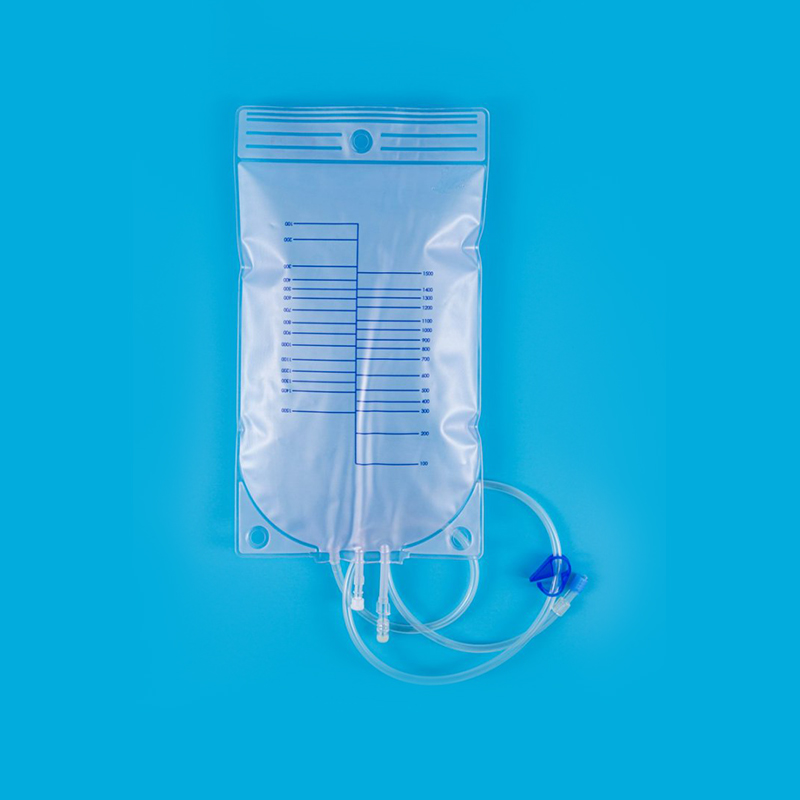
A urine meter typically includes two sections: a measured chamber with clear graduation marks and a larger collection reservoir. The chamber allows nursing staff to read smaller volumes accurately, while the reservoir supports extended use without frequent emptying. This design helps keep measurement steps straightforward during busy postoperative shifts.
Transparent or semi-transparent materials make it easier to observe color, clarity, and possible sediment. These visual cues sometimes help identify whether further checks are needed. A long drainage tube, often around 120 cm, gives staff flexibility to position the bag safely beside the bed without creating tension or needing to move the patient frequently.
In paediatric care settings, the collector is adapted for infant anatomy, using soft medical-grade materials and gentle adhesives. Although its structure differs from a urine meter, both devices share the purpose of helping caregivers document fluid output through a controlled method.
How Measurement Chambers Support Hourly Output Recording
One of the practical benefits of a urine meter in postoperative units is the ability to track fluid output hour by hour. Instead of estimating from a partially filled bag, staff can read measurements directly from the chamber. This reduces uncertainties when fluid management plans require close monitoring or when medication dosing depends on observed urine volume.
The chamber is designed so that urine flows into it before draining into the main reservoir. Once the reading is taken, the chamber can be emptied through a simple movement or valve. This avoids unnecessary handling of the entire bag and helps maintain a smoother workflow during rounds.
In addition, clear graduation marks help new nursing staff or rotating personnel maintain consistent readings, which supports continuity of care across shifts.
Safe Sampling for Laboratory Checks
Some postoperative patients require laboratory testing to assess kidney function, detect infection, or evaluate how the body responds to certain treatments. Many urine meter bags include a sampling port that enables safe withdrawal of a sample without disconnecting tubing. This helps control exposure, reduces handling time, and avoids disturbing the patient.
For paediatric patients who require a sample, the dedicated collector offers a more manageable way to retrieve urine without squeezing diapers or using improvised methods.
Practical Tips for Care Teams Using Measurement Systems
Care teams often face questions regarding how to place, manage, and monitor these devices effectively. The following points reflect common considerations shared by clinical staff:
Ensuring Proper Positioning
The urine meter should be positioned below bladder level to allow consistent drainage. Kinks in the tube can interrupt flow, so checking the tubing during routine rounds helps maintain smooth operation.
Monitoring Flow and Chamber Levels
In the early recovery period, reading the chamber at predictable intervals—such as every one to four hours depending on the care plan—helps build a clear record. When sudden decreases or noticeable increases occur, staff can reassess hydration or potential complications.
Handling and Emptying the Bag
Emptying the main reservoir should be done using a designated outlet to maintain cleanliness and prevent backflow. Having a large-capacity reservoir, such as 2000–2600 ml, reduces the number of times emptying is required.
NEXT:How Paediatric Urine Collector Supports Safe Infant Care Routines?
Interested in cooperation or have questions?

-
 +86-0576-85229808
-
 [email protected]
-
 Gexi Village, Dongcheng Town, Linhai City, Zhejiang Province, China
Copyright © Linhai Shuangmei Medical Supplies Co., Ltd. All rights reserved. Approval No: 20240008. The information provided on this website is intended for use only in countries and jurisdictions outside of the People's Republic of China.
 Privacy Policy
Medical Supplies Urine Bags Factory