


 English
 русский
 Español
How Paediatric Urine Collector Supports Safe Infant Care Routines?
A growing number of caregivers and healthcare workers are looking for dependable tools that simplify routine monitoring tasks. Products such as the Urine Meter and Paediatric Urine Collector are often part of daily clinical workflows, especially in infant wards, postoperative units, and home-care environments where accurate urine output observation matters. By understanding how these two items function and what practical considerations influence their performance, users can make informed choices that support safe and consistent infant care practices.
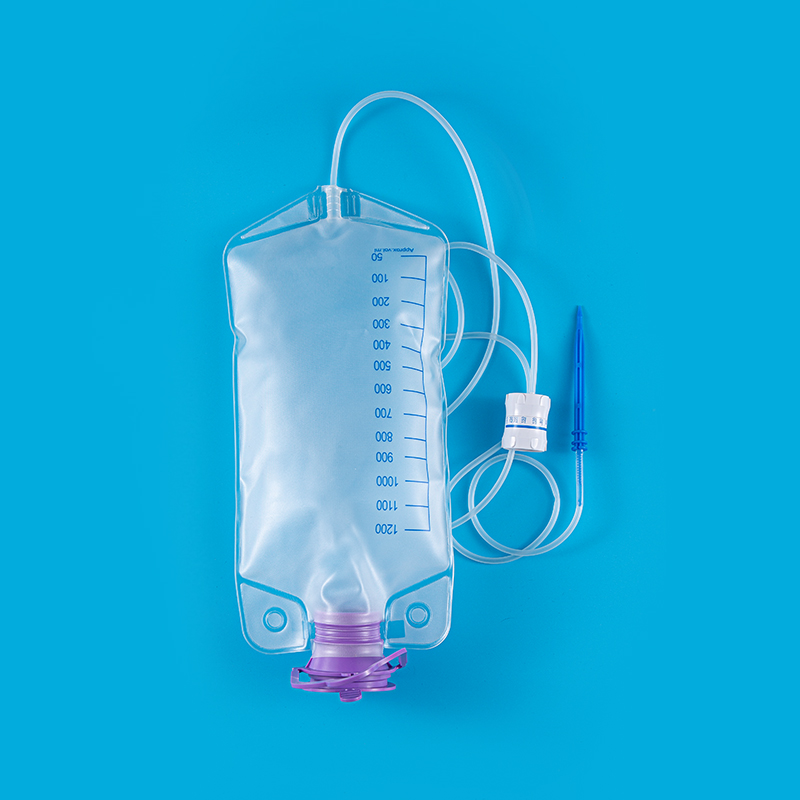
Understanding Why Accurate Urine Monitoring Matters in Infant Care
In early childhood or neonatal stages, urine output can reflect hydration status, kidney development, and overall physical condition. Because infants cannot communicate discomfort or early symptoms, caregivers often rely on measurable indicators. A paediatric urine collection device allows for controlled observation rather than depending on diaper checks, which can be difficult to interpret during frequent changes or when stool is mixed with urine.
For infants under clinical observation—such as those recovering from surgery, affected by fever, gastroenteritis, or certain metabolic conditions—precise monitoring helps caregivers identify changes early. A urine meter system, featured with clear graduation marks and a dedicated chamber, supports departments that require measured hourly volumes. Even when used separately, both devices share the same purpose: offering a structured method to observe output without causing unnecessary disturbance to the child.
Key Features That Support Safe and Comfortable Usage
Soft Materials and Skin-Focused Design
Infant skin is sensitive, so a paediatric urine collector typically uses soft, medical-grade materials that reduce irritation. The adhesive ring around the collection area is designed to stay in place without causing discomfort when removed. Caregivers often worry about whether adhesives might cause redness; understanding how to apply the device gently and clean the surrounding skin before attachment reduces this concern.
Clear Visibility for Quick Checks
Parents and nurses sometimes struggle to estimate how much liquid is actually produced when using diapers alone. Transparent or semi-transparent urine bags allow easy observation, even in dim hospital rooms. A urine meter takes visibility further by providing a separate measurement chamber; this is particularly helpful when hourly tracking is needed, or when the care plan requires detailed fluid-in/out records.
Secure Collection Without Interrupting Rest
Infants may move frequently during sleep or nursing. A well-designed paediatric collector stays attached with a gentle seal and connects to a lightweight drainage bag that does not pull or shift easily. This stability helps maintain normal routines—feeding, swaddling, or resting—without frequent reattachment.
Practical Steps for Using Paediatric Collectors Safely
Preparing the Skin and Application Surface
Before attaching the collector, caregivers should ensure the skin is clean and dry. Any remaining oil, moisture, or ointment reduces adhesion and may cause leakage. A soft cloth and lukewarm water are generally sufficient; harsh wipes are unnecessary and may irritate the skin.
Correct Positioning to Avoid Leakage
Placement matters when working with male or female infants. Ensuring the adhesive ring fully surrounds the genital area without gaps helps reduce unexpected leaks. Light pressure around the seal — not firm rubbing — improves contact.
Monitoring During Movement
Infants may kick, roll, or lift their legs. Checking the adhesion every few hours prevents accidental detachment. When used in combination with a urine meter bag that includes a long drainage tube (such as 120 cm), caregivers can position the reservoir away from the infant’s reach, reducing the chance of tugging.
How Urine Meter Systems Provide Support in Clinical Observation
Clear Graduation Markings for Measured Monitoring
A urine meter helps departments that require measured output, such as neonatal ICUs or postoperative wards. With graduations marked in a separate chamber, staff can record volumes without manipulating the main reservoir. This improves workflow and reduces the number of times the system must be handled.
Sampling Port for Laboratory Needs
Certain conditions require urine samples. A sampling port on many urine meter bags allows easier withdrawal without disconnecting tubes or causing unnecessary exposure. This design supports safe procedures and helps keep the infant comfortable.
Large Capacity for Extended Use
Some urine meter bags include a main reservoir of 2000–2600 ml with an additional measured chamber. The large capacity reduces the need for frequent emptying, which is convenient on busy wards or during night-long monitoring sessions.
Supporting Care Routines at Home and in Hospitals
Helping Caregivers Understand Normal Patterns
Parents caring for infants with temporary dehydration, feeding issues, or fever often worry about subtle changes. A collector allows them to track urine amounts more clearly before reporting updates to doctors. Instead of estimating diaper wetness, they can describe actual volumes, which helps clinicians provide more targeted advice.
NEXT:Which Economy Urine Bag Features Ensure Cost-Effective Care?
Interested in cooperation or have questions?

-
 +86-0576-85229808
-
 [email protected]
-
 Gexi Village, Dongcheng Town, Linhai City, Zhejiang Province, China
Copyright © Linhai Shuangmei Medical Supplies Co., Ltd. All rights reserved. Approval No: 20240008. The information provided on this website is intended for use only in countries and jurisdictions outside of the People's Republic of China.
 Privacy Policy
Medical Supplies Urine Bags Factory