


 English
 русский
 Español
Safety Guidelines For Nurses During Bag Replacement
Nurses play a crucial role in ensuring patient safety when handling urinary and drainage devices. Proper bag replacement is a routine yet significant task in both hospital and home care settings, as it helps prevent infection, maintain patient comfort, and support accurate fluid monitoring. When working with portable catheter bags, urine collection bags for infants, or drainage collection bags, adherence to established safety guidelines is essential.
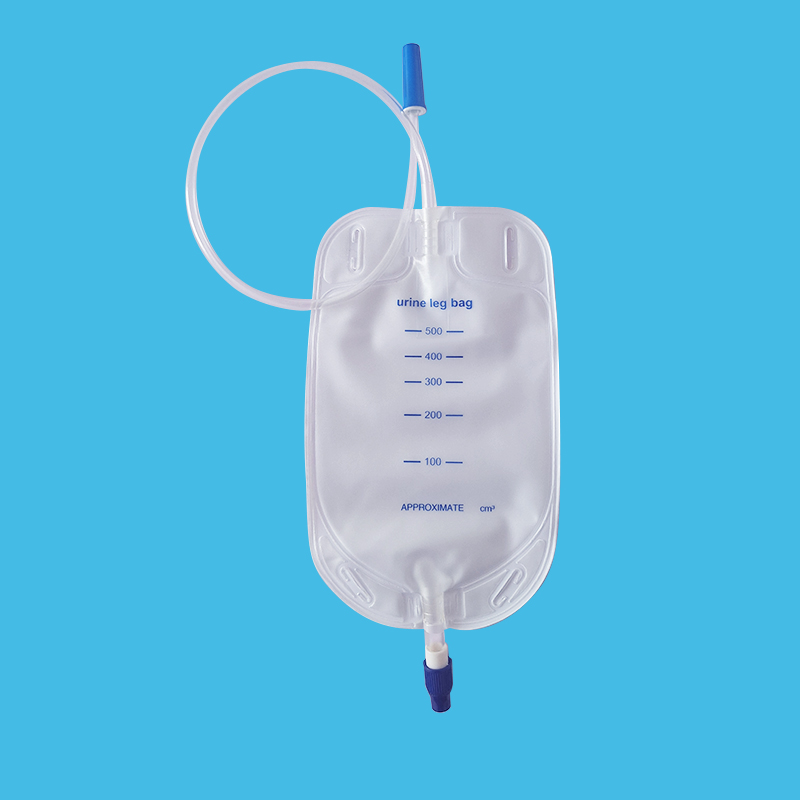
One of the considerations is hand hygiene. Before and after any interaction with a urinary or drainage system, nurses should perform thorough hand washing with soap and water or use an alcohol-based hand sanitizer. This simple step greatly reduces the risk of transferring bacteria to the patient or the medical device. Gloves should always be worn during bag replacement to provide an additional barrier against contamination. Changing gloves between patients or when they become soiled is necessary to maintain a clean and safe environment.
Preparing the replacement bag correctly is another critical step. Nurses should verify that the bag is sterile and that all packaging is intact. For portable catheter bags, ensuring that the connectors match the catheter tubing is important to avoid leakage or disconnection. Similarly, when handling urine collection bags for infants, attention must be given to the size and fit, as improperly sized bags can cause discomfort or skin irritation. Drainage collection bags should be checked for capacity and integrity before use to prevent accidental overflow and maintain accurate output measurement.
During the bag replacement procedure, nurses should carefully follow the flow of the tubing. The patient's position should be adjusted so that the new bag is placed lower than the bladder or collection site, preventing backflow and less the risk of infection. Avoiding kinks in the tubing is important, as blockages can cause urinary retention or interfere with fluid monitoring. While replacing drainage collection bags, nurses should ensure that any clamps or valves are correctly positioned to maintain continuous and safe drainage.
Disposal of the used bag is also a critical component of safety. Used urine or drainage bags should be handled carefully to avoid contact with contaminated fluids. Nurses should follow hospital or local guidelines for disposing of medical waste. Typically, this involves placing the used bag in a sealed bag or container before discarding it in designated medical waste bins. Proper labeling and segregation of waste reduce the potential for accidental exposure to pathogens.
Documentation is another important step that supports both patient care and clinical monitoring. Nurses should record the date and time of bag replacement, the volume of fluid collected, and any observations regarding the patient's comfort or potential complications. Keeping accurate records allows other healthcare providers to track trends, adjust care plans, and ensure continuity in treatment.
Patient comfort and communication are also key considerations. Explaining the procedure to the patient, including infants and caregivers, helps reduce anxiety and supports cooperation. Gentle handling and careful attention to any signs of discomfort, skin irritation, or redness are necessary throughout the process. For portable catheter bags, mobility should be considered, making sure the bag is securely attached without restricting movement.
Finally, ongoing training and awareness of current infection control guidelines are essential for nurses. Staying informed about updated recommendations ensures that all procedures, including the replacement of portable catheter bags, urine collection bags for infants, and drainage collection bags, are performed safely and effectively. Regular audits and supervision can help maintain high standards and identify areas for improvement in practice.
By following these safety guidelines, nurses can perform bag replacement procedures with confidence while maintaining patient safety and comfort. Attention to detail, proper preparation, and adherence to infection control measures are the foundations of safe and effective urinary and drainage bag management.
NEXT:Compliance Management Of Urine Bag Use In Hospitals
Interested in cooperation or have questions?

-
 +86-0576-85229808
-
 [email protected]
-
 Gexi Village, Dongcheng Town, Linhai City, Zhejiang Province, China
Copyright © Linhai Shuangmei Medical Supplies Co., Ltd. All rights reserved. Approval No: 20240008. The information provided on this website is intended for use only in countries and jurisdictions outside of the People's Republic of China.
 Privacy Policy
Medical Supplies Urine Bags Factory