


 English
 русский
 Español
Privacy Considerations In The Design Of Disposable Urine Bags
The design of disposable urine bags has evolved considerably in recent years, with a growing emphasis on patient privacy and comfort. For many patients, particularly those in hospital or long-term care settings, maintaining a sense of dignity is a key concern. The materials, structure, and overall usability of these products are closely linked to how well they support patient privacy during daily care routines.
One important aspect of privacy is the discretion of the bag itself. Clear or transparent materials can allow caregivers to monitor fluid levels, but they may also expose personal health information. To balance these needs, many disposable urine bags now feature semi-opaque or tinted materials. This allows for necessary observation without fully revealing the contents, providing a layer of privacy that can reduce patient anxiety. Some designs even include foldable or covered sections that conceal the bag from view while maintaining functionality.
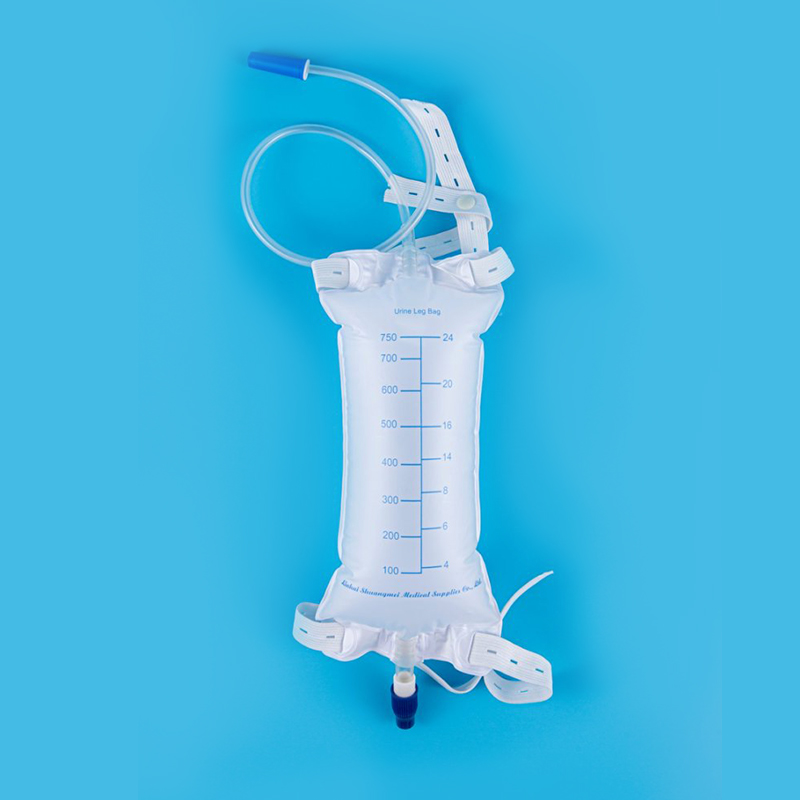
The development of biodegradable urine bags is another factor influencing both privacy and environmental responsibility. Biodegradable materials can reduce the environmental footprint of medical waste while maintaining the structural integrity required for safe drainage. Importantly, the use of such materials does not compromise patient privacy, as the design can incorporate features such as reinforced walls and discreet labeling. These bags offer a practical solution for healthcare facilities seeking to address both ecological concerns and the sensitive nature of patient care.
Pediatric patients present additional privacy challenges. A pediatric wee bag, for example, is specifically designed to accommodate the needs of children while ensuring comfort and discretion. The smaller size and flexible design of these bags allow for easier concealment under clothing or bedding, which can be especially important in shared hospital rooms. Pediatric designs also often consider ease of use for caregivers, allowing them to manage drainage efficiently without exposing the child unnecessarily. This combination of comfort, safety, and discretion is crucial for maintaining trust and a sense of dignity in pediatric care.
Another relevant consideration is the integration of accessories that complement privacy-focused designs. Paediatric infusion sets, when used alongside urine bags, require careful management to lessen exposure and discomfort. Well-designed tubing systems and secure connection points help maintain a discreet appearance while allowing caregivers to monitor and manage fluid flow effectively. For children, ensuring that these sets are easy to handle and securely connected can reduce unnecessary attention or embarrassment, reinforcing privacy as a core design principle.
Beyond pediatric care, adult patients also benefit from designs that emphasize discretion. Features such as extended tubing, secure attachment points, and compact bag shapes can allow patients to move with confidence, whether in bed, seated, or during short transfers within a facility. Privacy-oriented features in disposable urine bags support not only the patient's emotional well-being but also the workflow of healthcare staff, allowing them to perform necessary care tasks with small intrusion.
In addition to physical design, clear labeling and user guidance contribute to privacy by preventing accidental exposure or misuse. Simple instructions for secure attachment, proper placement, and timely disposal help ensure that patients and caregivers can manage urine bags efficiently while reducing the risk of unwanted attention. These measures are particularly relevant in busy healthcare settings, where multiple patients may require care simultaneously, and privacy can be more difficult to maintain.
By integrating features that protect dignity, reduce exposure, and support discreet handling, modern designs address both practical and emotional needs. The combination of innovative materials, pediatric-specific adaptations, and compatible accessories such as paediatric infusion sets illustrates how careful design can enhance privacy without compromising safety or usability. In doing so, healthcare providers can offer patients a more respectful and comfortable experience while ensuring effective clinical management.
NEXT:Safety Guidelines For Nurses During Bag Replacement
Interested in cooperation or have questions?

-
 +86-0576-85229808
-
 [email protected]
-
 Gexi Village, Dongcheng Town, Linhai City, Zhejiang Province, China
Copyright © Linhai Shuangmei Medical Supplies Co., Ltd. All rights reserved. Approval No: 20240008. The information provided on this website is intended for use only in countries and jurisdictions outside of the People's Republic of China.
 Privacy Policy
Medical Supplies Urine Bags Factory