


 English
 русский
 Español
Post-Surgical Management Of Body Fluids With Drainage Bags
Effective management of body fluids after surgery is an essential component of patient care. Drainage bags are commonly used in various clinical settings to collect urine or other bodily fluids, helping to maintain hygiene and reduce the risk of infection. Among the different types of drainage solutions, catheter uro bags, infant urine collectors, and urine collection pouches serve distinct purposes and cater to specific patient needs. Understanding their design, function, and appropriate use can support healthcare professionals in providing safer and more efficient post-surgical care.
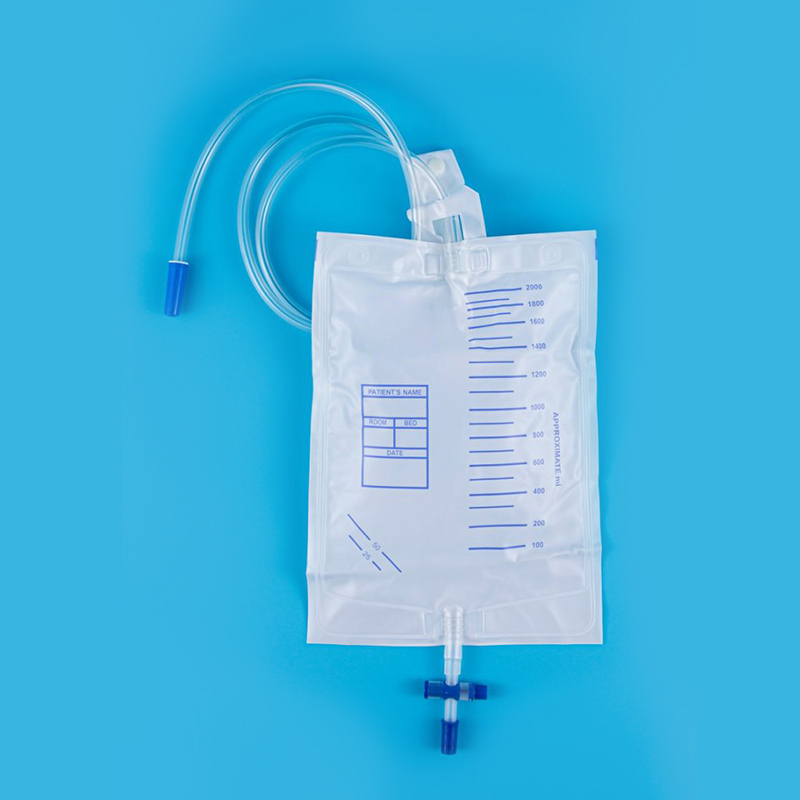
A catheter uro bag is a widely used device for patients who require continuous urinary drainage. It is typically connected to a urinary catheter and allows for the collection of urine over extended periods. The bag is designed to be flexible and durable, ensuring that it can accommodate varying volumes of urine with less discomfort for the patient. Catheter uro bags often include features such as anti-reflux valves to prevent backflow and maintain sterility, as well as measurement markings to facilitate monitoring of urine output. For patients recovering from surgeries such as urological procedures or abdominal operations, the use of a catheter uro bag helps maintain a controlled environment, reducing the need for frequent catheter manipulation and lowering the risk of infection.
In pediatric care, infant urine collectors provide a practical solution for collecting urine in a non-invasive manner. These devices are designed to fit securely around an infant's genital area and allow caregivers to monitor urinary output without causing discomfort or irritation. Infant urine collectors are often made of soft, hypoallergenic materials that are gentle on sensitive skin. In post-surgical situations, they can be used to track kidney function or fluid balance in young patients. Their design typically includes an adhesive or elastic seal to prevent leakage, ensuring that the collected urine remains contained for accurate measurement. For infants who are unable to use standard catheterization methods, these collectors offer a safe and effective alternative for fluid monitoring.
Urine collection pouches are another type of drainage system used in both adult and pediatric care. These pouches are often employed in situations where intermittent or short-term urine collection is necessary, such as after minor surgical procedures or during diagnostic monitoring. Urine collection pouches are generally lightweight and portable, providing convenience for both patients and caregivers. They can be attached externally and easily removed when the collection period is complete. Some pouches come with integrated anti-leak seals or spouts, facilitating controlled emptying and reducing the risk of contamination. The versatility of urine collection pouches makes them suitable for a range of clinical applications, from hospital wards to home care settings.
Proper handling and maintenance of drainage bags are critical to preventing complications. Healthcare staff should ensure that all connections are secure, the bags are emptied regularly, and hygiene protocols are strictly followed. Monitoring urine output is an important aspect of post-surgical care, as changes in volume, color, or consistency can indicate potential complications such as dehydration, infection, or organ dysfunction. By keeping drainage systems clean and properly positioned, healthcare professionals can provide a more comfortable and safer recovery process for patients.
In addition to professional use in hospitals, some drainage solutions may be utilized in home care environments for patients requiring extended post-surgical monitoring. Education and training for caregivers are essential in these situations, emphasizing proper bag attachment, routine emptying, and observation of any irregularities in fluid output. Understanding the different types of drainage bags, including catheter uro bags, infant urine collectors, and urine collection pouches, allows caregivers to select the more suitable option for each patient's condition.
Their design and function cater to a wide variety of patient needs, from adult surgical recovery to infant care. By employing these tools appropriately and following established hygiene practices, healthcare professionals and caregivers can help ensure a smoother recovery process and reduce the likelihood of complications. The selection of the correct type of drainage system, careful monitoring, and proper maintenance are key factors in achieving effective post-surgical care.
NEXT:Privacy Considerations In The Design Of Disposable Urine Bags
Interested in cooperation or have questions?

-
 +86-0576-85229808
-
 [email protected]
-
 Gexi Village, Dongcheng Town, Linhai City, Zhejiang Province, China
Copyright © Linhai Shuangmei Medical Supplies Co., Ltd. All rights reserved. Approval No: 20240008. The information provided on this website is intended for use only in countries and jurisdictions outside of the People's Republic of China.
 Privacy Policy
Medical Supplies Urine Bags Factory