


 English
 русский
 Español
Compliance Management Of Urine Bag Use In Hospitals
Effective management of urine bag use within hospitals plays a critical role in maintaining patient safety and controlling infection risks. Healthcare facilities utilize various devices, including day catheter bags, pediatric urine collection bags, and hospital fluid bags, to monitor and manage patient fluids accurately. Each type of urine bag is designed with specific features and requires proper handling according to established protocols to ensure safe and reliable operation. Familiarity with these devices, along with consistent management practices, helps streamline clinical workflows and supports overall quality of care.
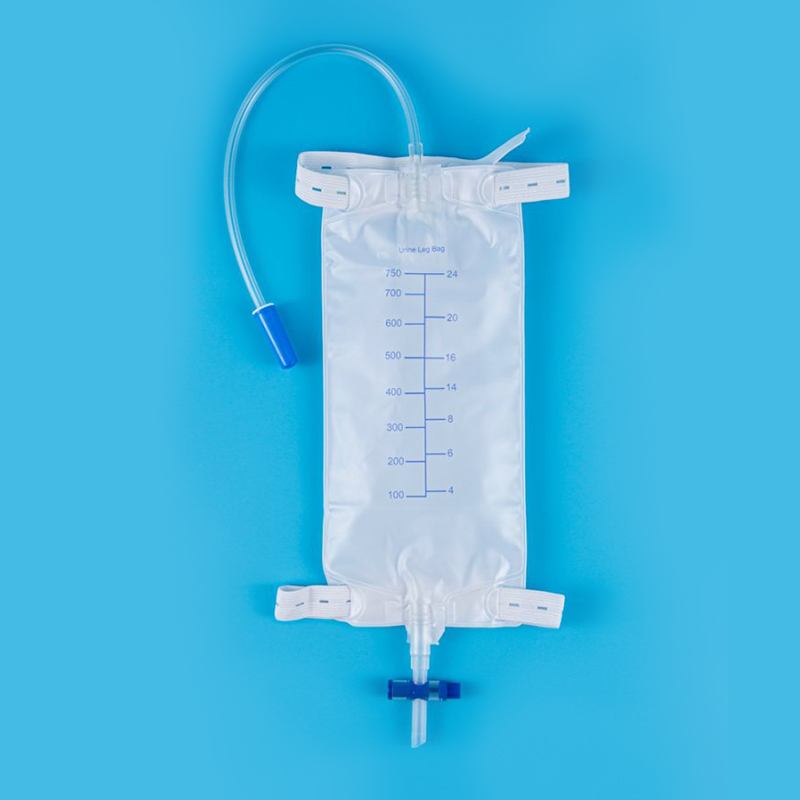
Day catheter bags are commonly used for adult patients who require temporary drainage of urine during hospital stays. These bags are designed for ease of monitoring urine output while maintaining hygiene standards. Staff must ensure that connections are secure, the bag is positioned appropriately to prevent backflow, and the device is regularly inspected for signs of leakage or contamination. Proper training of healthcare personnel is essential for maintaining compliance, as incorrect handling can increase the risk of infection or discomfort for patients. Regular documentation of urine output also supports medical decisions and ensures that patient data is accurately recorded.
For pediatric patients, the use of pediatric urine collection bags requires additional attention due to the smaller size and sensitivity of children's skin. Pediatric urine bags are designed to fit comfortably while reducing the risk of irritation or accidental detachment. Compliance management in this context involves thorough monitoring, frequent checks, and careful attachment to less discomfort and maintaining hygiene. Pediatric patients often need additional reassurance and gentle handling during the process, making staff awareness and training a critical factor. Hospitals that implement clear protocols for pediatric urine collection demonstrate commitment to patient-centered care while reducing the likelihood of errors or complications.
Hospital liquid bags are another category of drainage devices that assist in managing various types of fluids beyond urine. These bags are frequently used in wards and recovery rooms for patients with specific medical needs. Compliance management involves ensuring that these bags are filled and emptied according to hospital guidelines and that staff follow strict procedures for disposal or sterilization when necessary. Clear labeling, routine inspections, and adherence to hospital policies are important to prevent cross-contamination and maintain overall hygiene standards. Staff must be knowledgeable about the volume limits, connection methods, and handling instructions to ensure that hospital liquid bags serve their intended function safely and effectively.
Beyond the proper handling of individual devices, compliance management also encompasses broader operational practices. Hospitals often establish written protocols, conduct regular staff training sessions, and carry out audits to monitor adherence to policies. Recordkeeping and reporting procedures allow hospital administrators to track usage patterns, identify potential issues, and implement improvements when needed. Integrating compliance management with electronic health systems can enhance oversight by providing real-time updates on device status, patient output, and any incidents that occur during usage.
In addition, communication between healthcare personnel is key to effective compliance management. Nurses, physicians, and support staff need to coordinate when attaching, monitoring, and removing urine bags to ensure continuity of care. Clear instructions and consistent monitoring can reduce errors, prevent contamination, and improve patient comfort. Compliance management also supports hospital accreditation and regulatory requirements, demonstrating that patient safety and proper device use are maintained at all times.
Hospitals that maintain a systematic approach to compliance management can reduce the risk of infection, provide better patient experiences, and foster a culture of careful, attentive medical practice throughout their facilities.
NEXT:Disposal And Environmental Requirements For Used Urine Bags
Interested in cooperation or have questions?

-
 +86-0576-85229808
-
 [email protected]
-
 Gexi Village, Dongcheng Town, Linhai City, Zhejiang Province, China
Copyright © Linhai Shuangmei Medical Supplies Co., Ltd. All rights reserved. Approval No: 20240008. The information provided on this website is intended for use only in countries and jurisdictions outside of the People's Republic of China.
 Privacy Policy
Medical Supplies Urine Bags Factory