


 English
 русский
 Español
Long-Term Care Of Elderly Patients Using Urine Bags
Caring for elderly patients who require long-term use of urine bags involves careful attention to hygiene, comfort, and infection control. For bedridden individuals, the use of a bedridden urine bag can significantly assist caregivers in maintaining proper fluid management while reducing the frequency of unnecessary patient movement. Proper selection, handling, and monitoring of these devices are essential to ensure both the safety of the patient and the efficiency of care routines.
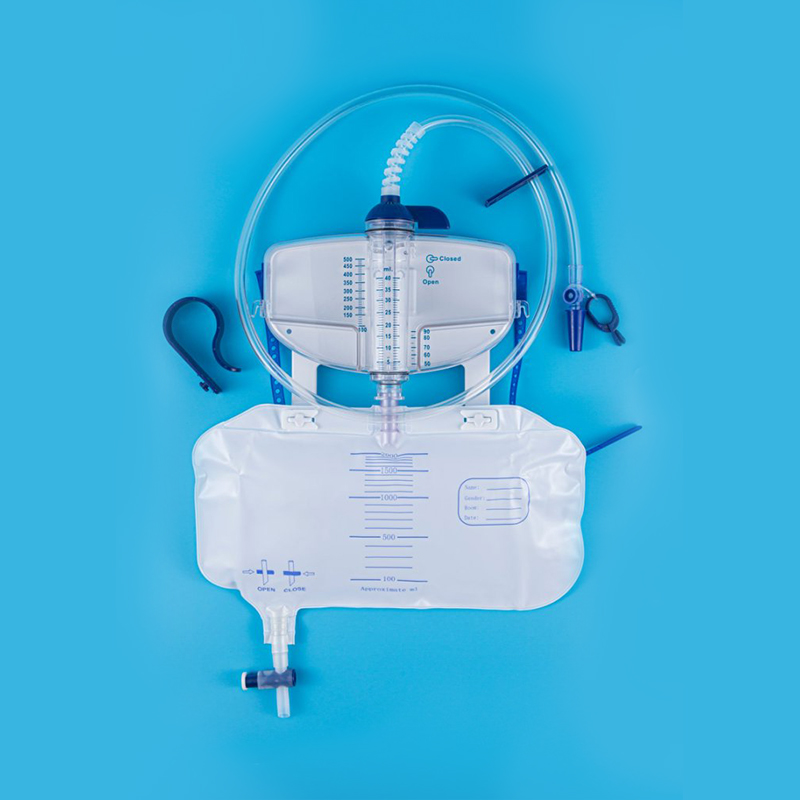
When elderly patients rely on urine bags for extended periods, skin integrity becomes a primary concern. Continuous contact with moisture or improperly secured devices can advance to skin irritation or pressure injuries. Caregivers should regularly inspect the patient's skin, particularly around the catheter insertion site, and ensure that the bag is positioned to less tension on the tubing. Adjustable straps or supports can help maintain a secure fit without causing discomfort, while gentle cleaning routines reduce the risk of skin breakdown.
Hygiene management is another critical factor. Urine bags can accumulate bacteria over time, and improper handling may contribute to urinary tract infections. Emptying the bags at recommended intervals and cleaning the collection containers with mild, non-irritating solutions helps maintain a hygienic environment. Using infectious waste bags for disposal of used collection containers or other contaminated materials ensures that biohazardous items are managed according to healthcare regulations. These practices help maintain a safe environment not only for the patient but also for caregivers and visitors.
It is also important to consider patient mobility and comfort. Even in long-term care, elderly individuals may benefit from minor positional adjustments or short periods of movement, which can be accommodated by flexible tubing and secure fastening of the urine bag. Proper positioning can reduce the risk of back strain or discomfort and support general wellbeing. In cases where patients are partially mobile, caregivers should ensure that tubing is routed safely to prevent accidental pulling or tangling.
In addition to adult care, similar principles apply to pediatric patients who may require urine management devices. Paediatric urine bags are designed with smaller capacities and softer materials to suit the delicate skin and lower body weight of children. While elderly patients may face challenges related to immobility and chronic conditions, pediatric patients require particular attention to comfort and gentle handling. For both groups, monitoring for signs of irritation, leakage, or infection remains a priority, as these issues can escalate quickly if left unaddressed.
The selection of urine bags for long-term care should also reflect the specific medical conditions of the patient. Some elderly individuals may have underlying conditions that increase their susceptibility to infection or complicate drainage. In such cases, choosing devices with anti-backflow features or integrated securement systems can help maintain proper function and reduce the need for frequent interventions. Caregivers should be trained to recognize signs of potential complications, including unusual urine color, swelling around the insertion site, or persistent discomfort, and respond according to clinical guidance.
Education and communication are integral to effective care. Patients who are cognitively able should be informed about the purpose of the urine bag and encouraged to participate in aspects of their own hygiene where possible. Clear instructions for family members and caregivers on cleaning, handling, and emergency procedures promote consistency and reduce the risk of errors. Regular review of care plans ensures that changes in the patient's condition are addressed promptly and that the use of the urine bag continues to meet their needs safely.
By focusing on proper device management, skin protection, infection prevention, and patient comfort, caregivers can provide a supportive environment that respects the dignity and well-being of individuals who rely on these essential medical tools. Integration of practices such as using infectious waste bags for disposal and considering device options such as bedridden urine bags or pediatric urine bags ensures that care remains both safe and effective over time.
NEXT:Certification Requirements For Urine Bags In Global Markets
Interested in cooperation or have questions?

-
 +86-0576-85229808
-
 [email protected]
-
 Gexi Village, Dongcheng Town, Linhai City, Zhejiang Province, China
Copyright © Linhai Shuangmei Medical Supplies Co., Ltd. All rights reserved. Approval No: 20240008. The information provided on this website is intended for use only in countries and jurisdictions outside of the People's Republic of China.
 Privacy Policy
Medical Supplies Urine Bags Factory