


 English
 русский
 Español
Fixation Methods For Bedside Urine Bag Use
Proper fixation of bedside urine bags is an essential part of patient care, ensuring safety, comfort, and hygiene in clinical settings. Bedside urine bags are widely used for patients with limited mobility, post-surgical needs, or conditions that require continuous urine collection. While these devices are simple in design, the method of securing them significantly affects their effectiveness and the patient's experience. Understanding the correct fixation methods can help healthcare providers reduce risks such as leakage, backflow, and accidental dislodgement, while also maintaining the sterility of medical disposable bags.
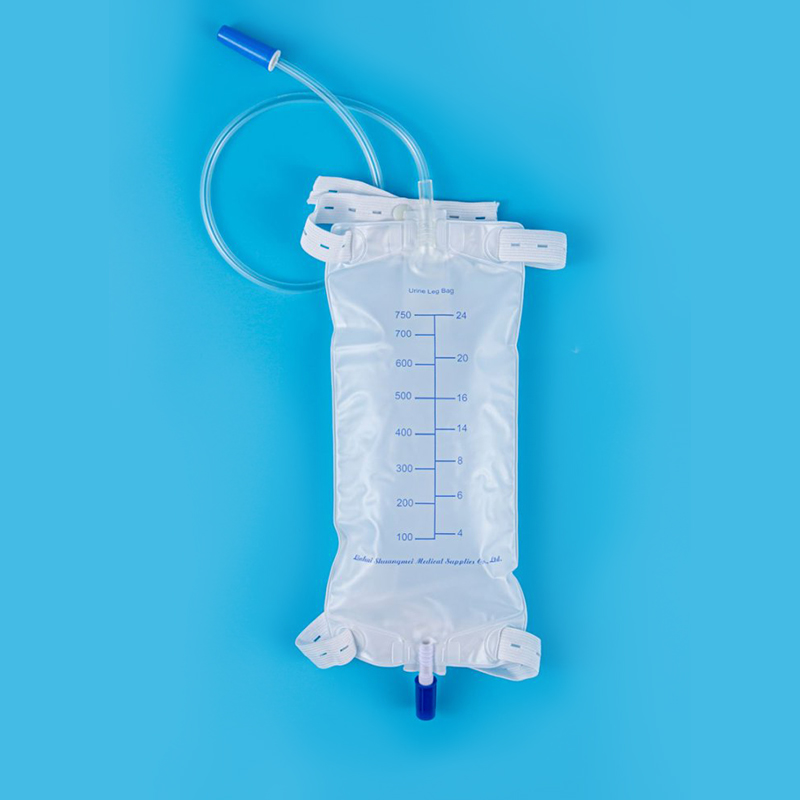
One common approach to securing a bedside urine bag involves the use of adjustable straps or clips that attach the bag to the bed frame or side rail. These straps should provide a firm hold without compressing the bag or tubing, which could restrict urine flow. Positioning the bag below the level of the bladder is also critical to ensure proper drainage. Medical teams often verify that tubing is free from kinks or bends that might obstruct flow, and that the bag is accessible for frequent monitoring and emptying. In addition, using straps designed specifically for medical disposable bags reduces the risk of accidental disconnection during patient movement or nursing care procedures.
For patients requiring long-term or pediatric care, additional considerations come into play. Pediatric infusion sets and urine bags, for instance, require smaller tubing and lighter fixation methods to avoid unnecessary pressure on sensitive skin. In neonatal or pediatric units, the use of soft, flexible straps or gentle adhesive supports helps maintain secure positioning with less discomfort. Attention to detail during bag attachment, such as securing the tubing along the leg or abdomen using clips or adhesive strips, can prevent entanglement and reduce the likelihood of pulling on the catheter. Pediatric patients may also benefit from specialized brackets or holders that attach the urine bag safely to the bed or stroller, providing stability without restricting mobility.
Another fixation method often applied in both adult and pediatric care is the use of bedside stands. These vertical or horizontal holders keep the urine bag suspended at an appropriate height, avoiding contact with the floor and maintaining a gravity-assisted flow. Bedside stands are particularly useful when the patient needs to change position frequently or when the bed lacks suitable rails for strap attachment. When using stands, care should be taken to secure the bag with clips or hooks that prevent slipping and to ensure that tubing length allows for safe movement without tension on the catheter. This method is compatible with medical disposable bags, including those connected to pediatric infusion sets, and provides a stable, hygienic solution in clinical environments.
Attention to cleaning and replacement routines also complements proper fixation. Medical disposable bags should be changed according to hospital guidelines, and any fixation accessories, such as straps or clips, should be cleaned or replaced as necessary to maintain a hygienic setup. For pediatric patients, gentle handling and careful monitoring are especially important to avoid discomfort or skin irritation. Regular inspection of both the bag and the fixation method ensures that the device remains secure, functional, and safe for ongoing use.
Training healthcare workers on correct positioning, securing techniques, and monitoring procedures reduces the risk of complications such as backflow, leakage, or accidental disconnection. Understanding the nuances of pediatric infusion sets and the specific requirements of medical disposable bags allows caregivers to provide consistent, high-quality care while maintaining patient comfort.
From adjustable straps and clips to bedside stands, each approach aims to provide stability while ensuring proper urine drainage and patient comfort. Pediatric patients require special attention, using softer, lighter supports and careful placement to prevent discomfort or accidental dislodgement. Incorporating these methods alongside regular cleaning, replacement routines, and staff training helps maintain safe, effective, and hygienic use of bedside urine bags and other medical disposable bags in diverse healthcare settings. Proper fixation ultimately contributes to a smoother clinical workflow and a better patient experience, supporting both nursing efficiency and patient safety.
NEXT:Long-Term Care Of Elderly Patients Using Urine Bags
Interested in cooperation or have questions?

-
 +86-0576-85229808
-
 [email protected]
-
 Gexi Village, Dongcheng Town, Linhai City, Zhejiang Province, China
Copyright © Linhai Shuangmei Medical Supplies Co., Ltd. All rights reserved. Approval No: 20240008. The information provided on this website is intended for use only in countries and jurisdictions outside of the People's Republic of China.
 Privacy Policy
Medical Supplies Urine Bags Factory