


 English
 русский
 Español
Certification Requirements For Urine Bags In Global Markets
Urine bags play an important role in medical care, providing a safe and efficient method for collecting and managing bodily fluids in various clinical settings. As disposable medical products, they are widely used across hospitals, clinics, and home care environments. Among the range of available options, catheter bags for women and pediatric urine collectors are commonly used, addressing the specific needs of adult female patients and children. Due to their direct contact with patients and their use in clinical procedures, urine bags must comply with stringent certification requirements to ensure safety, reliability, and hygiene.
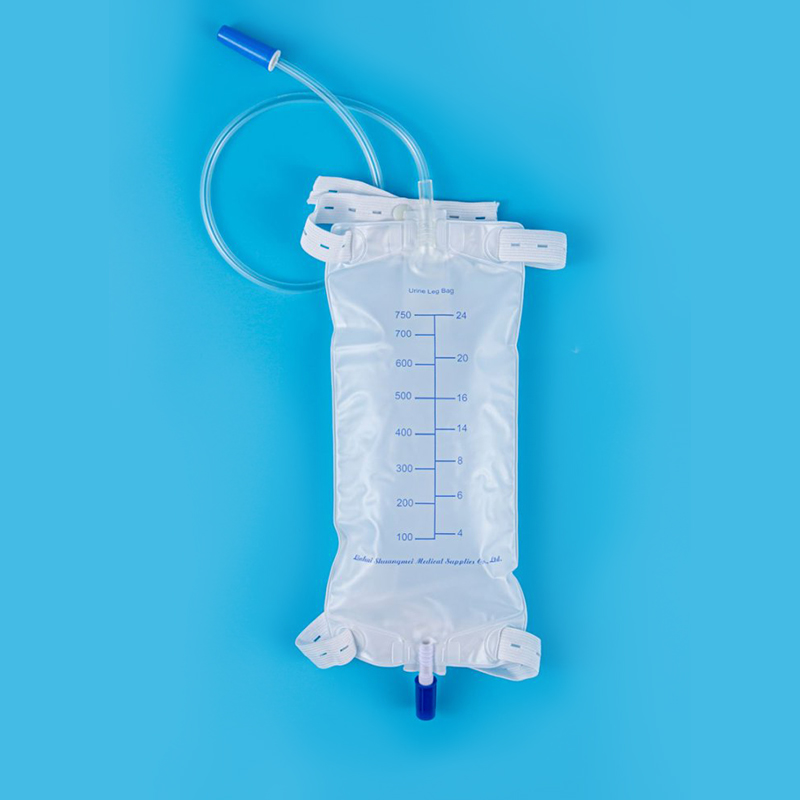
Certification standards for urine bags vary across different regions, reflecting local regulations and healthcare practices. In the European Union, urine bags are classified as medical devices under the Medical Device Regulation (MDR). To be legally sold, manufacturers must demonstrate that their products meet essential safety and performance requirements. This includes conducting risk assessments, verifying biocompatibility, and ensuring that the materials used are non-toxic and suitable for patient contact. Additionally, the manufacturing process must comply with ISO 13485, a quality management standard for medical devices, which outlines the procedures for consistent production and proper documentation.
In the United States, the Food and Drug Administration (FDA) oversees the approval of urine bags as Class II medical devices. Manufacturers are required to submit detailed product information, including design specifications, testing results, and labeling details. The FDA emphasizes sterility, leak prevention, and durability, which are critical for catheter bags for women and pediatric urine collectors. Testing may include pressure resistance, flow rate accuracy, and tubing integrity to ensure the product functions reliably in a clinical setting. Compliance with FDA guidelines helps protect patients and provides healthcare providers with confidence in the product's performance.
Other regions, such as Asia and the Middle East, have their own regulatory frameworks for disposable medical products. For example, countries like Japan and South Korea require local registration and adherence to national standards, which often align closely with ISO guidelines. Manufacturers exporting urine bags to multiple countries must carefully navigate these regulations, ensuring that their products meet the necessary criteria for each market. This includes proper labeling, packaging, and instructions for use, as well as documentation of safety and performance tests.
Specialized urine bags, such as pediatric urine collectors, require additional considerations. Pediatric patients have unique anatomical and physiological characteristics, and the product design must account for these differences. Materials must be gentle on sensitive skin, and the collection system must provide a secure fit with less discomfort. Certification processes for pediatric devices often include additional testing to ensure safety and ease of use, highlighting the importance of regulatory compliance in protecting vulnerable populations.
For female patients, catheter bags for women are designed to accommodate specific anatomical needs while maintaining hygiene and ease of use. Certification ensures that the product materials are biocompatible and that the system functions effectively without leakage or other complications. These products must also be tested for flow accuracy and secure attachment, reflecting the practical requirements of clinical and home care settings.
They help ensure that disposable medical products are manufactured to rigorous safety standards, function reliably, and are suitable for their intended use. By adhering to these standards, manufacturers contribute to patient safety, support effective clinical practices, and facilitate the responsible use of medical devices across diverse healthcare environments. Compliance with international and regional certification requirements remains a fundamental aspect of producing high-quality catheter bags for women, pediatric urine collectors, and other disposable medical products used in daily healthcare.
NEXT:Comparison Of Common Urine Bag Specifications
Interested in cooperation or have questions?

-
 +86-0576-85229808
-
 [email protected]
-
 Gexi Village, Dongcheng Town, Linhai City, Zhejiang Province, China
Copyright © Linhai Shuangmei Medical Supplies Co., Ltd. All rights reserved. Approval No: 20240008. The information provided on this website is intended for use only in countries and jurisdictions outside of the People's Republic of China.
 Privacy Policy
Medical Supplies Urine Bags Factory