


 English
 русский
 Español
Why Does Paediatric Urine Collector Bag Matter in Infection Control?
Clinical quality control teams continue to focus on lowering the incidence of urinary tract infections in pediatric care settings. Devices such as the Paediatric Urine Collector Bag and Pediatric IV Bottle are widely used in hospitals and outpatient clinics, and their design directly affects hygiene management, monitoring accuracy, and overall patient safety. Beyond strict aseptic techniques, product structure, material choice, and integration with monitoring systems now play a measurable role in infection prevention and fluid management.
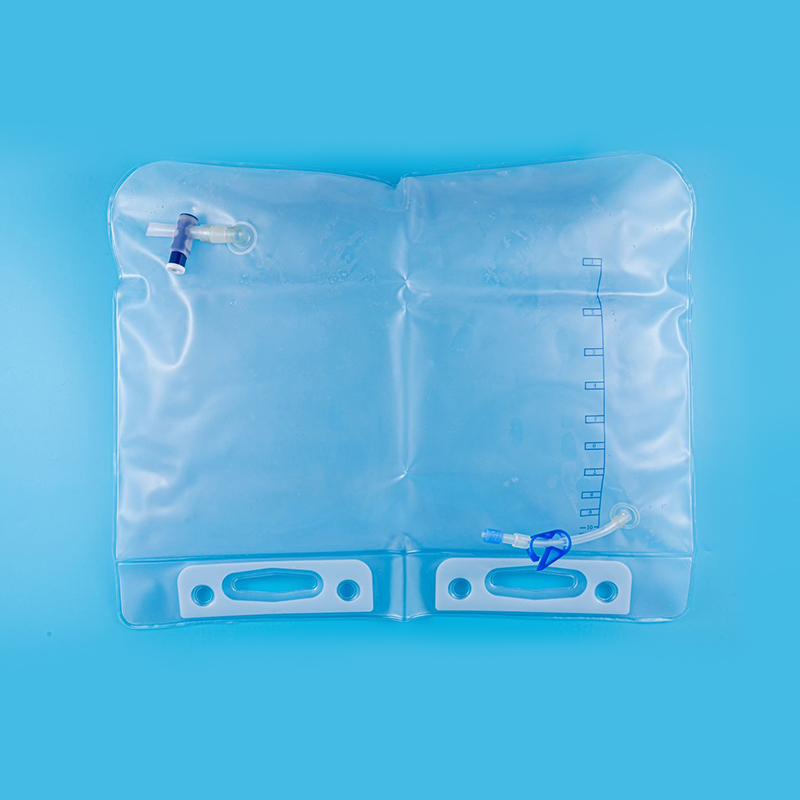
Infection Risks in Pediatric Urine Collection
Children, especially infants and toddlers, present unique challenges in urine collection. Their skin is delicate, they may move frequently, and they cannot communicate discomfort clearly.
Urinary tract infections in children are often associated with catheterization, poor drainage, or backflow of contaminated fluid. While catheter-related infection prevention is widely discussed, non-invasive collection bags also require careful design. A poorly sealed interface, inadequate drainage system, or improper emptying technique can introduce pathogens. For this reason, infection control efforts now consider both procedural discipline and device engineering as interconnected factors.
Design Features That Support Safer Urine Collection
Modern pediatric urine collection systems incorporate several structural improvements aimed at reducing contamination and improving hygiene management.
One significant feature is the use of anti-reflux valves. These valves help prevent urine from flowing backward toward the patient, which lowers the risk of ascending infection. In addition, multi-layer medical-grade films are often selected to reduce odor permeability and maintain structural integrity during extended use.
Skin-friendly adhesive technology is another important consideration. Pediatric patients require adhesives that maintain a secure seal without causing trauma during removal. Hydrocolloid or silicone-based adhesive surfaces help balance adherence with gentle detachment, reducing micro-injuries that may become entry points for bacteria.
Clear volume markings on the bag allow caregivers to monitor output without opening the system unnecessarily. Avoiding repeated disconnection decreases the chance of environmental contamination. Some advanced models also include sampling ports that enable sterile urine extraction using a syringe, further limiting exposure.
Why Real-Time Monitoring Matters in Pediatric Care
Monitoring urine output provides valuable information about hydration status, kidney function, and potential infection development. Traditionally, nurses manually record volumes at scheduled intervals. While effective, this approach may miss early warning signs between checks.
Emerging smart urine collection systems are being developed with digital sensors that measure urine volume continuously. These systems can transmit data to a central monitoring platform. When combined with algorithm-based analysis, abnormal patterns such as reduced output or sudden changes in color and concentration may trigger alerts.
Such integration aligns with broader healthcare trends that connect bedside devices to hospital information systems. Although these technologies are still developing, they reflect a shift from reactive monitoring to data-driven risk assessment. In pediatric settings, where rapid physiological changes can occur, timely alerts can support earlier intervention.
Practical Considerations When Selecting a Collection System
Choosing a Paediatric Urine Collector Bag involves more than reviewing capacity specifications. Hospitals and clinics should evaluate how the product integrates into daily workflow and infection control protocols.
Key practical factors include:
- Seal integrity: The interface between the collection bag and the patient must maintain a secure fit despite movement.
- Drainage convenience: A bottom outlet with a clamp allows controlled emptying without disconnecting the system.
- Material transparency: Clear film enables visual inspection of urine characteristics.
- Compatibility with monitoring equipment: If digital tracking is implemented, sensor integration should not compromise sterility.
- Disposal method: Single-use systems help limit cross-contamination, but facilities must follow proper waste handling procedures.
Staff training is equally important. Even well-designed products cannot prevent infection if applied incorrectly. Clear instructions for placement, periodic inspection, and timely replacement should be part of standard nursing protocols.
The Role of Pediatric IV Bottle in Fluid Balance Management
While urine output reflects kidney function and hydration, fluid intake must also be carefully controlled. The Pediatric IV Bottle plays a central role in maintaining appropriate fluid therapy in children. Unlike adult systems, pediatric intravenous therapy requires precise volume control due to smaller body mass and narrower safety margins.
Graduated markings on IV bottles assist in tracking infused volume accurately. Secure caps and sterile connectors reduce contamination risk during setup. Some models incorporate venting systems that stabilize internal pressure, ensuring consistent flow rates when connected to infusion sets.
NEXT:How Can Paediatric Urine Collector Bag Improve Safety?
Interested in cooperation or have questions?

-
 +86-0576-85229808
-
 [email protected]
-
 Gexi Village, Dongcheng Town, Linhai City, Zhejiang Province, China
Copyright © Linhai Shuangmei Medical Supplies Co., Ltd. All rights reserved. Approval No: 20240008. The information provided on this website is intended for use only in countries and jurisdictions outside of the People's Republic of China.
 Privacy Policy
Medical Supplies Urine Bags Factory