


 English
 русский
 Español
What Makes Paediatric Urine Collector Bag Easier for Families?
Balancing clinical accuracy with parental comfort has become a central issue in pediatric sample collection. The discussion around contamination risks and caregiver anxiety has placed both the Paediatric Urine Collector Bag and the Pediatric IV Bottle in a new light, as healthcare providers seek solutions that maintain testing standards while easing practical challenges at the bedside or at home. Instead of expecting parents to master complex techniques such as the clean catch method, product development is increasingly guided by usability, hygiene control, and emotional reassurance.
Why Has Clean Catch Become Difficult for Families?
Although clinicians consider the clean catch approach to have lower contamination risk, its practical application often proves challenging. Infants and toddlers cannot follow instructions, and sick children may be dehydrated, irritable, or unable to void on demand. Parents frequently describe long waiting periods, repeated attempts, and heightened anxiety during sample collection. These repeated attempts can also increase handling, which may unintentionally introduce contamination despite good intentions.
In contrast, urine collection bags are perceived as easier to apply. They allow caregivers to secure the device and wait for natural urination without constant monitoring. However, concerns remain regarding contamination from skin flora or improper attachment. This tension between technical accuracy and emotional burden has encouraged manufacturers to rethink how a Paediatric Urine Collector Bag is structured, sealed, and positioned. Design adjustments such as improved adhesive materials, clearer measurement markings, and anti-reflux features aim to narrow the gap between convenience and laboratory standards without transferring procedural stress to parents.
How Device Design Influences Clinical Accuracy
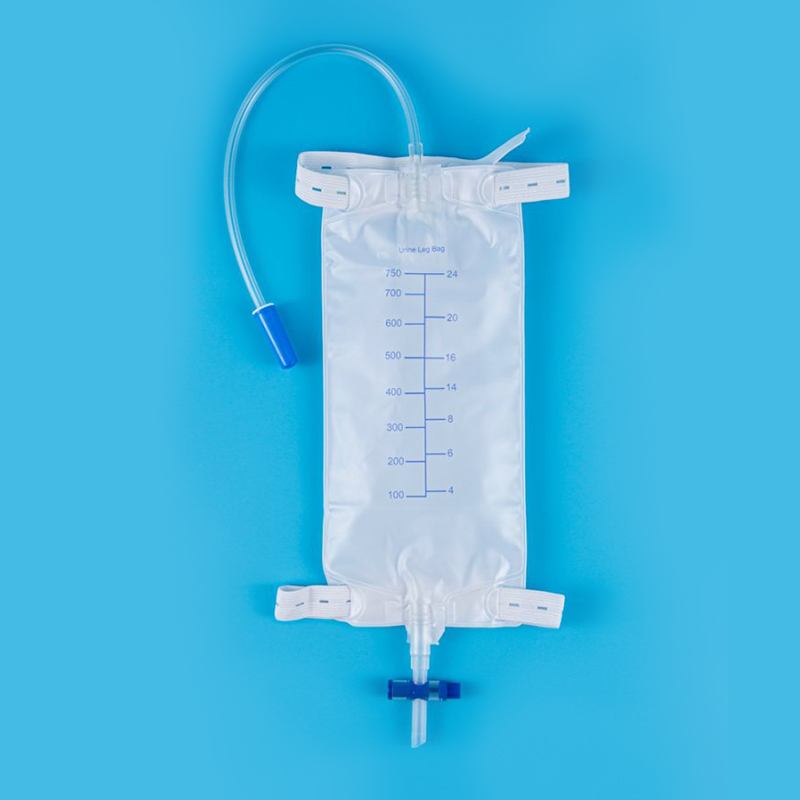
Human-centred design does not mean compromising medical requirements. Instead, it focuses on how physical features can support correct usage even when handled by non-professionals. For pediatric urine bags, several structural elements play an important role:
- Skin-friendly adhesive that maintains secure attachment without causing irritation
- Transparent collection chamber for easy visual confirmation
- Clear volume scale to support measurement recording
- Anti-backflow valve to reduce the chance of sample contamination
- Secure outlet port for hygienic transfer into laboratory containers
Each of these features addresses a specific failure point commonly reported in home or outpatient settings.Transparent materials reduce the need to open or manipulate the device, limiting unnecessary exposure. An anti-backflow structure can reduce contact between collected urine and external surfaces once voiding occurs.
When these practical factors are integrated into the product structure, the overall handling process becomes more controlled. While laboratory validation remains essential, physical guidance through design reduces dependency on detailed verbal instructions. This approach supports more consistent sample quality across diverse care environments.
Practical Guidance for Parents Using Collection Bags
Even with improved product design, proper usage remains critical. Parents often ask what steps can lower contamination risk when using a Paediatric Urine Collector Bag. The following considerations provide practical assistance:
- Clean the child’s perineal area gently with sterile wipes before application
- Ensure the skin is fully dry before attaching the adhesive border
- Position the bag carefully according to anatomical guidance
- Check the bag periodically without detaching it unnecessarily
- Transfer the sample promptly once urination occurs
Preparation and timing are equally important. Applying the bag shortly after feeding or increased fluid intake may shorten waiting time. Monitoring for early signs of urination helps avoid prolonged skin contact.
The Role of Pediatric IV Bottle in Fluid Monitoring
Urine output evaluation is often linked to fluid therapy, especially in hospital settings where dehydration, infection, or post-surgical recovery are concerns. The Pediatric IV Bottle plays an important complementary role in this context. While the urine collection device measures output, the IV bottle manages controlled fluid input. Together, they provide clinicians with a balanced overview of intake and output.
Modern Pediatric IV Bottle designs focus on precise volume graduation, stable hanging structure, and secure connection ports. For infants and young children, accurate monitoring of administered fluids is essential because small volume variations may affect assessment decisions. Transparent bottle material allows staff to observe infusion levels continuously without disconnecting the system. Stable port sealing reduces the chance of leakage or contamination during therapy.
NEXT:Why Does Paediatric Urine Collector Bag Matter in Infection Control?
Interested in cooperation or have questions?

-
 +86-0576-85229808
-
 [email protected]
-
 Gexi Village, Dongcheng Town, Linhai City, Zhejiang Province, China
Copyright © Linhai Shuangmei Medical Supplies Co., Ltd. All rights reserved. Approval No: 20240008. The information provided on this website is intended for use only in countries and jurisdictions outside of the People's Republic of China.
 Privacy Policy
Medical Supplies Urine Bags Factory