


 English
 русский
 Español
When Does Pediatric IV Bottle Improve Drip Visibility?
Healthcare teams managing infusions for children often rely on clear observation of fluid delivery to follow prescribed rates accurately. Devices such as the Pediatric IV Bottle and Disposable Infusion Set incorporate features that support this observation, particularly through their transparent elements that allow viewing of the drip process.
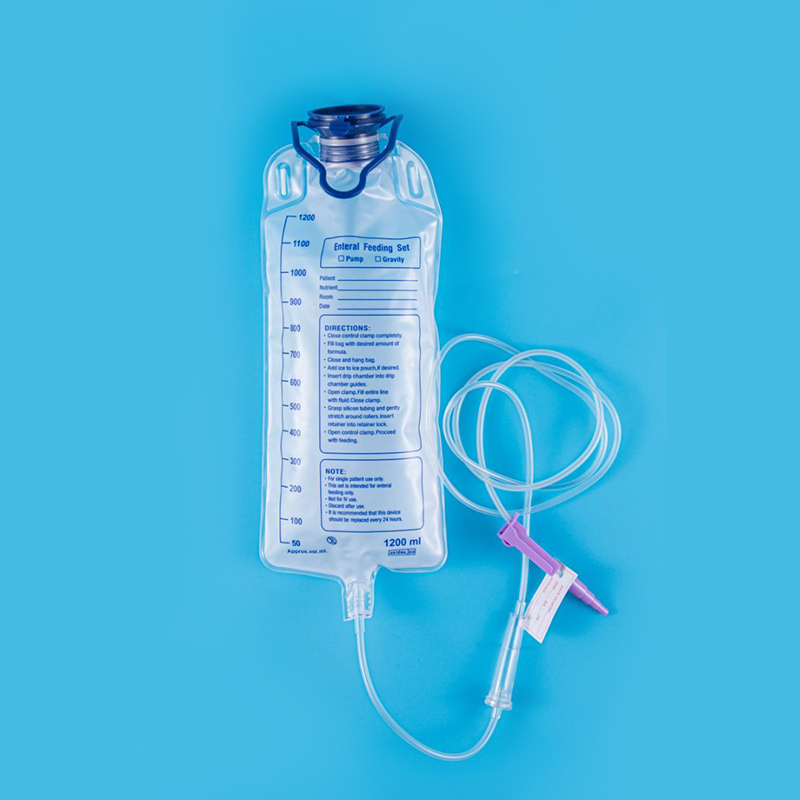
Role of Transparency in Fluid Containers for Pediatrics
The Pediatric IV Bottle, with its capacity of 100-150 ml, uses medical-grade PVC material that remains transparent throughout use. This clarity enables staff to see the fluid level inside the container directly, which helps in tracking how much solution remains before it runs low. In pediatric settings, where smaller volumes are common for maintenance fluids or short-term therapies, this visibility allows quick checks without needing to disconnect or disturb the setup. The bottle's design positions the fluid path in a way that light passes through easily, making it possible to spot air pockets, particulates, or changes in fluid appearance during administration. For instance, when infusing clear solutions like saline or dextrose, the transparency reveals any unexpected cloudiness or sediment that might require attention.
Drip Chamber Design and Its Contribution to Visibility
The Disposable Infusion Set connects to the Pediatric IV Bottle via a spike that enters the container's port, directing fluid into a drip chamber. This chamber, made from clear PVC, serves as the primary area for observing individual drops as they form and fall. The chamber is typically filled to about half its volume during priming, creating an air space above the fluid where drops become distinct and countable. In pediatric applications, microdrip sets often feature a smaller drop size (around 60 drops per ml), producing more frequent but smaller drops that are easier to count for precise low-volume rates. The transparent walls of the chamber allow counting drops over a timed interval, such as 15 or 60 seconds, to confirm the flow matches the calculated rate based on the child's weight or prescribed ml per hour. If the chamber fills too much, visibility decreases as drops merge into a continuous stream; partial filling keeps individual drops separate and observable.
Lighting and Positioning Factors Affecting Observation
Ambient lighting conditions in a room influence how clearly drops appear in the drip chamber. Placing the Pediatric IV Bottle and connected set under adequate overhead or task lighting helps highlight the fluid movement against the clear background. Positioning the infusion stand so the drip chamber faces the caregiver directly reduces shadows or glare that could obscure the view. In busy pediatric wards or outpatient areas, where staff monitor multiple patients, this setup allows periodic glances to verify ongoing flow without close inspection each time. The bottle's transparent body complements the chamber by showing overall fluid depletion, providing context for the drip activity—such as noticing when the level approaches the point where air might enter the line.
Scenarios Where Enhanced Visibility Supports Routine Checks
During gravity-fed infusions common in pediatric care, drip visibility becomes useful for confirming consistent delivery without electronic pumps. For example, in hydration therapy for dehydration or antibiotic administration, staff can observe the drip chamber to ensure the rate remains steady as the child moves or changes position. The Pediatric IV Bottle's smaller size suits these shorter durations, and its clarity lets providers see remaining volume at a glance, prompting timely replacement or adjustment. In cases involving filters added to the Disposable Infusion Set, the transparent tubing and chamber help confirm that filtration does not introduce visible interruptions or bubbles that could affect flow. Regular visual checks also support detection of issues like kinks in the tubing or partial occlusions, where slowed or absent drops in the chamber signal the need for troubleshooting.
Practical Steps to Maintain Clear Drip Observation
To keep visibility consistent, prime the Disposable Infusion Set properly by squeezing the drip chamber to half-fill it after spiking the Pediatric IV Bottle. Avoid overfilling, as excess fluid in the chamber can make drops hard to distinguish. Adjust the flow regulator (roller clamp) gradually while watching the chamber to set the desired rate, counting drops to verify accuracy. Periodically recheck the chamber during the infusion, especially after patient movement or when adding medications through ports. If the fluid in the bottle appears low, the transparent container allows anticipation of when to prepare a new setup. These steps integrate into standard workflows, helping maintain control over the infusion process in environments where children may have limited tolerance for fluid variations.
Integration with Monitoring Practices in Pediatric Care
In combination with site checks and vital sign monitoring, the transparent features of the Pediatric IV Bottle and drip chamber in the Disposable Infusion Set contribute to ongoing assessment. The ability to see drip formation supports adherence to calculated rates, particularly important in pediatrics where fluid overload or under-delivery can occur more readily. This visual feedback aligns with protocols for manual gravity infusions, offering a direct method to confirm function alongside other observations like site integrity or patient response.
NEXT:How to Use Disposable Infusion Set in Pediatric Settings?
Interested in cooperation or have questions?

-
 +86-0576-85229808
-
 [email protected]
-
 Gexi Village, Dongcheng Town, Linhai City, Zhejiang Province, China
Copyright © Linhai Shuangmei Medical Supplies Co., Ltd. All rights reserved. Approval No: 20240008. The information provided on this website is intended for use only in countries and jurisdictions outside of the People's Republic of China.
 Privacy Policy
Medical Supplies Urine Bags Factory