


 English
 русский
 Español
The Function Of Anti-Reflux Valves In Urine Bags
Urinary catheter drainage bags are widely used in healthcare settings to manage patients with limited mobility, postoperative needs, or chronic conditions requiring controlled urine collection. One essential feature of these devices is the anti-reflux valve, which plays a critical role in maintaining patient safety and supporting effective fluid management. The anti-reflux valve is designed to prevent the backward flow of urine from the drainage bag into the catheter, reducing the risk of contamination and potential infection. This function is particularly important in clinical environments where maintaining sterile conditions is essential.
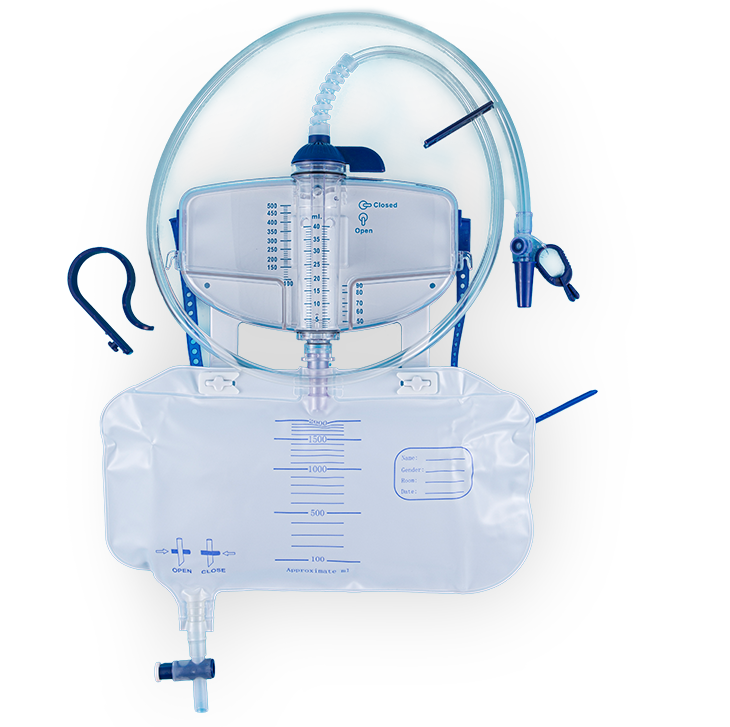
Anti-reflux valves are commonly integrated into various types of urine collection systems, including adult urine collection bags and thigh catheter bags. In adult urine collection bags, the valve ensures that urine flows in one direction, from the patient through the catheter into the bag. This mechanism reduces the likelihood of urine returning to the bladder, which could otherwise increase the risk of urinary tract infections. The valve also helps prevent discomfort associated with backflow and contributes to a more hygienic collection system.
Thigh catheter bags, which are designed for discreet and mobile use, also rely on anti-reflux valves to maintain safe and efficient urine drainage. These smaller, wearable bags allow patients to maintain a level of independence while managing their urinary needs. The valve ensures that urine does not flow back toward the catheter, providing security and reducing the risk of skin irritation or leakage. This feature is particularly valuable for patients who require continuous use of a catheter over extended periods, as it helps maintain cleanliness and comfort throughout the day.
The construction of an anti-reflux valve is typically straightforward but effective. It is often a one-way mechanism built into the drainage tubing or the bag outlet. The valve opens to allow urine to pass from the catheter into the bag and closes to prevent any return flow. Some designs utilize a flexible diaphragm, while others employ a simple flap system. Regardless of the design, the principle remains the same: to protect the patient from potential complications associated with urine backflow.
In addition to its protective function, the anti-reflux valve contributes to the overall efficiency of urinary catheter drainage systems. By preventing backward flow, it lessens the chances of bacterial growth within the tubing and collection bag. This is particularly relevant for adult urine collection bags that may hold larger volumes of urine over time, as stagnant fluid can create an environment for microbial proliferation. The valve also supports easier monitoring of urine output, which is a key factor in patient assessment and care planning. Healthcare professionals can rely on accurate measurements without concern that retrograde flow will alter the collected volume.
Maintenance and proper handling of urinary catheter drainage bags are also connected to the performance of the anti-reflux valve. Patients and caregivers are advised to position the bag below the level of the bladder, avoid kinking the tubing, and regularly inspect the valve for proper operation. These practices ensure that the valve functions as intended and that the risk of infection or leakage is lessened. In clinical settings, disposable bags with integrated anti-reflux valves are frequently used to simplify hygiene management and reduce the need for extensive cleaning procedures.
NEXT:Key Factors In Urine Bag Capacity Design
Interested in cooperation or have questions?

-
 +86-0576-85229808
-
 [email protected]
-
 Gexi Village, Dongcheng Town, Linhai City, Zhejiang Province, China
Copyright © Linhai Shuangmei Medical Supplies Co., Ltd. All rights reserved. Approval No: 20240008. The information provided on this website is intended for use only in countries and jurisdictions outside of the People's Republic of China.
 Privacy Policy
Medical Supplies Urine Bags Factory