


 English
 русский
 Español
Key Factors In Urine Bag Capacity Design
Urine bag capacity is a crucial consideration in healthcare settings, as it directly affects patient care, comfort, and the efficiency of medical staff. Choosing the right capacity requires careful attention to several factors, including patient type, clinical context, and practical usability. Different types of urine collection systems, such as infant urine bag collection devices, 2000 ml catheter bags, and urine collection leg bags, highlight the diversity in design and application requirements across healthcare scenarios.
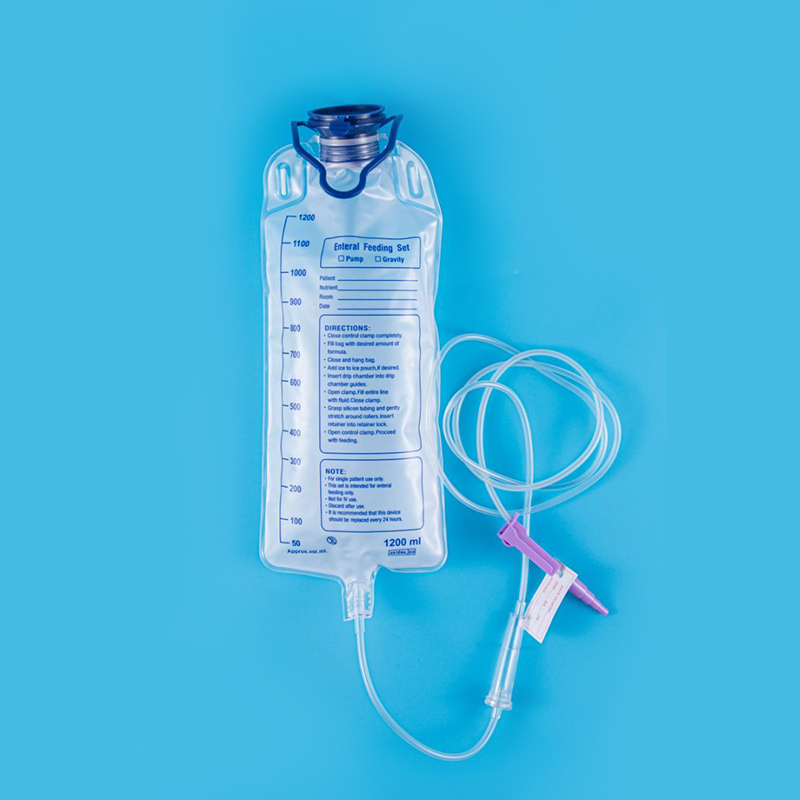
For neonatal and pediatric care, infant urine bag collection systems are often small and lightweight to ensure that they are gentle on delicate skin. The capacity of these bags is designed to accommodate the relatively low volume of urine produced by infants while lessening the frequency of bag changes. Since infants are unable to communicate discomfort effectively, a urine bag with an appropriate capacity helps reduce skin irritation, leakage, and potential hygiene issues. In addition, the material of the bag is often soft and flexible, allowing for secure attachment while providing sufficient room for collection without creating unnecessary pressure on sensitive areas.
For adult patients, the 2000 ml catheter bag is a commonly used device in hospitals and long-term care facilities. The larger capacity is intended to reduce the need for frequent emptying, which can be beneficial for patients with limited mobility or those recovering from surgery. When designing these larger bags, manufacturers consider not only the volume but also the structural integrity and flexibility of the bag. A 2000 ml catheter bag must maintain its shape as it fills, preventing kinking or blockage in the tubing while remaining easy for healthcare personnel to handle. Additionally, clear measurement markings are often incorporated to assist in monitoring urine output, which can be an important indicator of patient health.
Urine collection leg bags represent another approach where capacity and convenience intersect. These smaller, wearable bags are typically designed to hold between 300 and 600 ml, allowing patients to maintain mobility while managing urine output. The design challenge in leg bags lies in balancing discreet size with adequate volume for extended use. Careful consideration is given to the bag's contour and attachment method, ensuring that it stays securely in place during walking or sitting while avoiding discomfort or skin irritation. Flexible tubing and anti-reflux features are commonly integrated to prevent backflow, contributing to hygiene and patient safety.
Across all types of urine bags, a few general principles influence capacity design. The expected urine output and frequency of use are evaluated to match the bag size with clinical needs. Second, materials are selected to provide durability without compromising comfort. Transparent or semi-transparent materials allow for visual monitoring, while non-toxic and hypoallergenic plastics pose fewer risks to patients. Third, the ease of emptying and cleaning, especially in reusable or semi-reusable systems, is considered to streamline workflow for medical staff and caregivers.
Another important factor is the intended duration of use. Short-term procedures, such as minor surgeries or brief hospital stays, may require smaller, more manageable bags, whereas long-term care or patients with chronic conditions may benefit from higher-capacity solutions that reduce maintenance frequency. Properly matched bag capacity can also enhance patient compliance, as it lessens disruption to daily activities and allows for more predictable care routines.
Environmental considerations are also increasingly relevant. While disposable urine bags provide convenience and infection control benefits, careful attention is given to material efficiency and waste management. Efficient capacity design reduces unnecessary material use while meeting functional requirements, contributing to more sustainable healthcare practices.
Interested in cooperation or have questions?

-
 +86-0576-85229808
-
 [email protected]
-
 Gexi Village, Dongcheng Town, Linhai City, Zhejiang Province, China
Copyright © Linhai Shuangmei Medical Supplies Co., Ltd. All rights reserved. Approval No: 20240008. The information provided on this website is intended for use only in countries and jurisdictions outside of the People's Republic of China.
 Privacy Policy
Medical Supplies Urine Bags Factory