


 English
 русский
 Español
Structural Design And Materials Of Urine Bags
Urine bags are an essential component in medical care, particularly for patients requiring continuous bladder drainage or those with limited mobility. Understanding the structural design and materials of these products is critical for healthcare providers, caregivers, and patients to ensure safe and reliable use. The design of a urine sack, leg bag medical devices, and general urine drainage bags involves considerations for durability, patient comfort, hygiene, and ease of handling.
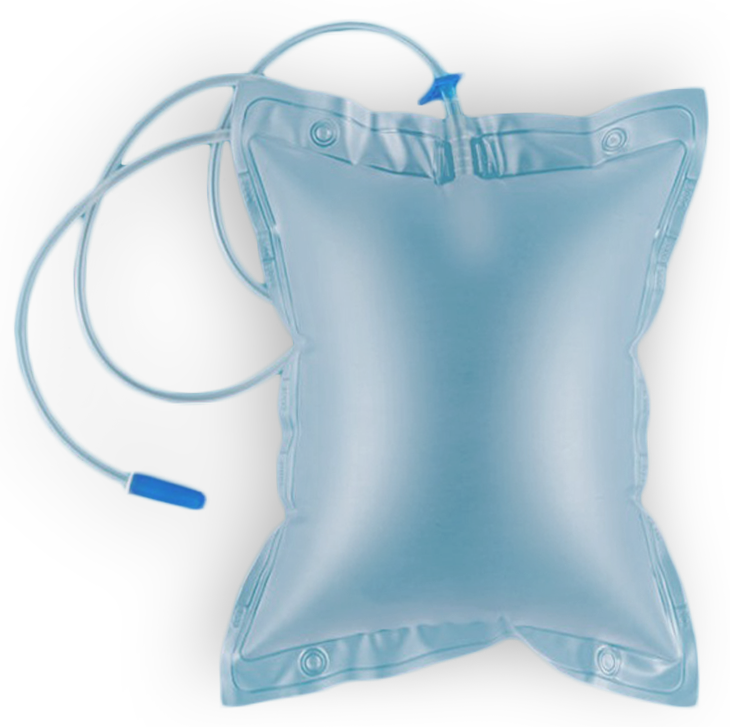
A typical urine bag consists of a collection reservoir, tubing, and an outlet valve or connector. The collection reservoir is usually made from flexible, medical-grade plastics that maintain structural integrity while accommodating varying fluid volumes. Materials such as polyvinyl chloride (PVC) or thermoplastic elastomers are frequently used due to their flexibility, transparency, and resistance to leakage. Transparency is an important feature, as it allows caregivers to monitor urine output without opening the bag, which helps reduce the risk of contamination.
Leg bag medical devices are designed to be worn discreetly around the leg, often secured with adjustable straps. The smaller capacity of these bags compared to standard bedside urine drainage bags allows patients more mobility and convenience during daily activities. For leg bags, lightweight materials and a soft, smooth surface are particularly important to lessen skin irritation during extended wear. The tubing connecting the bag to the catheter is generally flexible yet kink-resistant to maintain consistent urine flow. Some designs include anti-reflux valves to prevent backflow, which can reduce the risk of urinary tract infections.
The tubing and connectors are essential parts of the overall design. Flexible tubing must balance softness for patient comfort with sufficient stiffness to avoid collapsing under pressure. Connectors are usually standardized to ensure compatibility with various catheter types. Secure connections are vital to prevent accidental disconnection, which can compromise hygiene and advance to leakage. Certain urine drainage bags also include specialized drainage spouts or taps that allow for controlled emptying without requiring direct contact with the urine, promoting safe handling.
Material selection extends beyond the main reservoir and tubing to include additional features, such as antibacterial coatings or odor-control layers. While these layers do not replace standard hygiene practices, they can enhance user comfort and reduce the risk of secondary contamination. Some urine sacks are designed with graduated markings to indicate volume, assisting healthcare providers in monitoring fluid output accurately. These markings are usually molded into the material or printed using non-toxic inks that withstand regular handling and cleaning.
Durability and resistance to wear are key considerations in structural design. Medical-grade plastics used in urine drainage bags are designed to withstand repeated handling, bending, and exposure to various cleaning agents without degrading. This ensures that the bag remains functional throughout its intended use period. In addition, the design often includes reinforced areas where the tubing connects to the reservoir, as these points are prone to stress and potential leakage.
For leg bag medical devices, user comfort is a major factor influencing structural design. Rounded edges, soft straps, and smooth surfaces reduce friction against the skin. Lightweight construction lessens the burden on the patient, particularly when the bag is worn for extended periods. Many leg bags also incorporate features that allow the bag to conform to the natural contours of the leg, reducing movement during walking or exercise and helping maintain secure placement.
NEXT:Post-Surgical Applications Of Drainage Bags In Modern Healthcare
Interested in cooperation or have questions?

-
 +86-0576-85229808
-
 [email protected]
-
 Gexi Village, Dongcheng Town, Linhai City, Zhejiang Province, China
Copyright © Linhai Shuangmei Medical Supplies Co., Ltd. All rights reserved. Approval No: 20240008. The information provided on this website is intended for use only in countries and jurisdictions outside of the People's Republic of China.
 Privacy Policy
Medical Supplies Urine Bags Factory