


 English
 русский
 Español
Post-Surgical Applications Of Drainage Bags In Modern Healthcare
Post-surgical recovery often requires careful management of body fluids to prevent complications and ensure patient comfort. Among the many tools used in modern healthcare, the drainage bag for urine and other types of collection systems play a crucial role in postoperative care. These devices are designed to collect and contain fluids in a hygienic way, reducing the risk of infection and supporting a smoother recovery process.
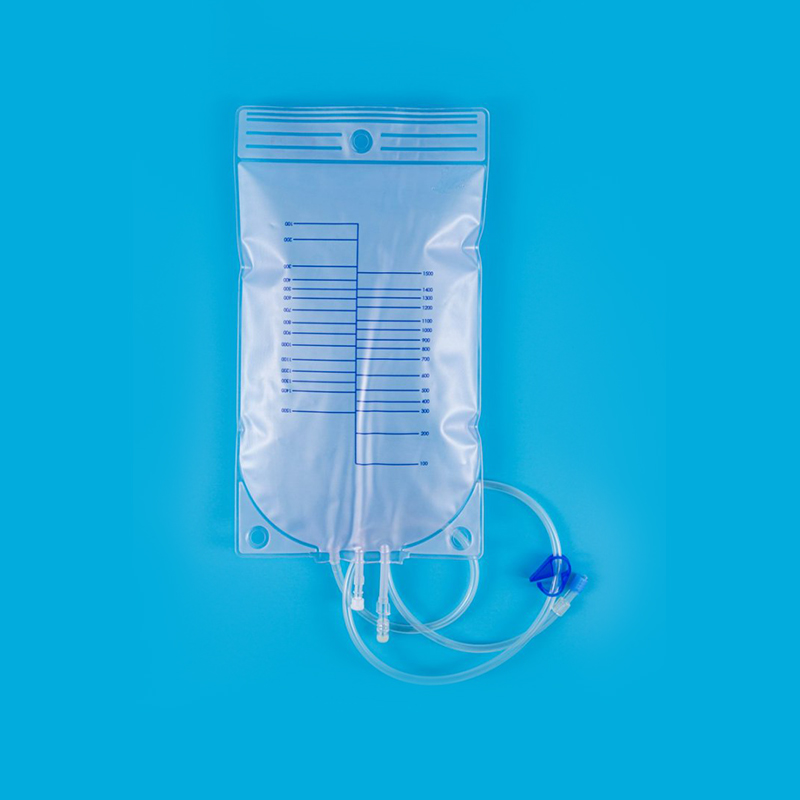
Urine drainage is one of the more common needs after certain surgeries, especially when patients have limited mobility or when the body requires time to heal before normal urination can resume. A medical bag for urine provides a practical solution by securely collecting liquid through a catheter system. The design generally includes an anti-reflux valve, tubing of appropriate length, and a collection chamber that can be easily emptied and monitored. This setup allows healthcare staff to track fluid output, which is an important clinical indicator during recovery.
In addition to urine, other types of surgical drainage may involve the removal of blood, pus, or other fluids from the surgical site. These fluids, if left unmanaged, can accumulate and create pressure, delay healing, or increase the chance of infection. By using a drainage system, surgeons and nurses can help maintain a cleaner environment at the wound site and support the natural healing process. The principles of containment and hygiene that apply to urine collection bags are also relevant to broader drainage systems.
The safe disposal of fluids collected during recovery is equally important. Clinical waste bags are commonly used to handle and transport such waste materials. They are specifically designed to comply with healthcare waste regulations, ensuring that collected fluids and contaminated items do not pose a risk to hospital staff, patients, or the environment. When a drainage bag for urine is full and emptied, the contents may ultimately be disposed of using clinical waste protocols. This integrated approach helps maintain strict infection control standards within healthcare facilities.
Another important factor in post-surgical use of urine bags is patient mobility and comfort. While many patients may initially use a larger bedside drainage bag for urine, those who regain mobility gradually may transition to smaller leg bags. These allow greater freedom of movement while still providing safe urine collection. The choice between different bag sizes and designs depends on medical guidance, patient condition, and recovery progress. This flexibility helps ensure that patients do not feel overly restricted while still receiving safe care.
In practice, the use of medical bags for urine after surgery extends beyond hospitals. Home care and rehabilitation centers also rely on such devices when patients are discharged but still need assistance with urine drainage. The convenience of disposable designs, along with the availability of sterile packaging, makes it possible to maintain hygiene even outside a hospital setting. Caregivers are trained to replace and handle the bags properly, reducing risks of cross-contamination.
The role of drainage products also extends to monitoring patient health. By observing the volume, color, and consistency of fluid collected, healthcare providers can gather valuable insights into recovery progress. For example, changes in urine output can indicate hydration levels, kidney function, or complications that may need medical attention. Similarly, abnormal fluids from a surgical site might alert staff to infection or delayed healing. In this way, a drainage system serves both a functional and diagnostic purpose.
Environmental and sustainability concerns have also influenced the development of these products. Although disposable items such as clinical waste bags remain necessary for infection control, healthcare providers are increasingly focused on responsible disposal methods. Segregation of medical waste, incineration, and other regulated processes are designed to lessen environmental impact while maintaining safety. This ongoing balance between hygiene and sustainability continues to shape the production and use of disposable medical products.
NEXT:Impact Of Aging Population On The Demand For Urine Bags
Interested in cooperation or have questions?

-
 +86-0576-85229808
-
 [email protected]
-
 Gexi Village, Dongcheng Town, Linhai City, Zhejiang Province, China
Copyright © Linhai Shuangmei Medical Supplies Co., Ltd. All rights reserved. Approval No: 20240008. The information provided on this website is intended for use only in countries and jurisdictions outside of the People's Republic of China.
 Privacy Policy
Medical Supplies Urine Bags Factory