


 English
 русский
 Español
Changing Methods Of Urine Collection And Management In Hospitals
Urine collection and management in hospitals have undergone significant changes over the past decades, reflecting progress in medical technology, patient care practices, and hospital safety standards. What was once a relatively simple process of fluid collection has evolved into a system that combines hygiene, efficiency, and patient comfort. These advancements are not only visible in surgical wards and intensive care units but also in general patient care settings where reliable devices are essential.
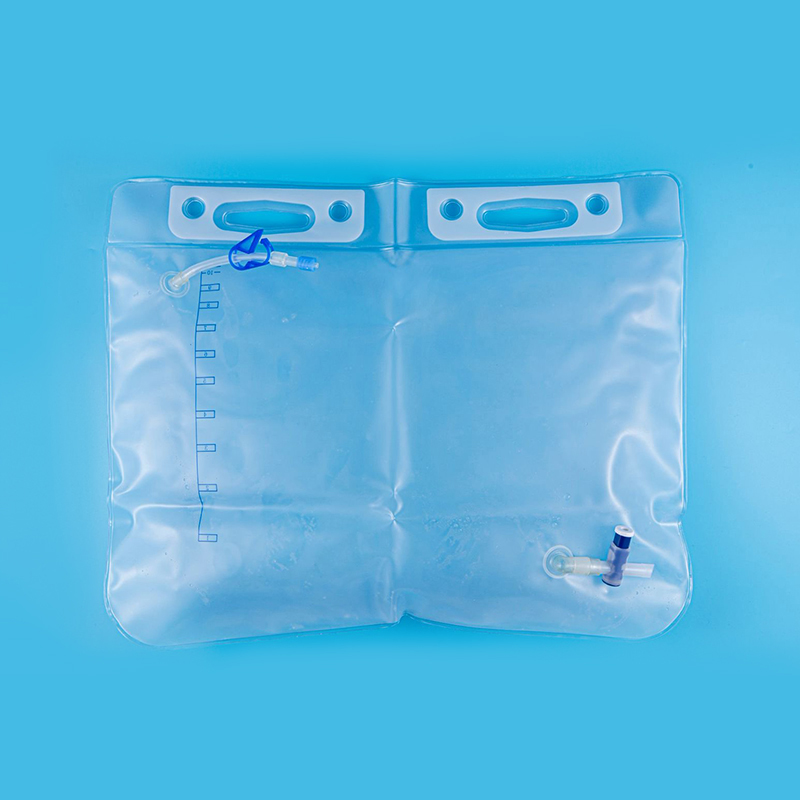
Historically, urine collection was often managed with reusable containers that required repeated cleaning and sterilization. While these methods were serviceable, they posed risks of contamination, cross-infection, and discomfort for patients. The development of disposable solutions, including the urine bag set, changed this situation considerably by reducing infection risks and improving hygiene. Hospitals began to adopt disposable options on a large scale as part of their overall infection prevention strategies, especially when dealing with vulnerable patients or those undergoing long-term treatment.
Modern hospital practices now emphasize convenience, secure connections, and safe disposal. A typical bag for collecting urine is designed with features such as anti-reflux valves, graduated volume markings, and leak-resistant seals, ensuring that both nursing staff and patients benefit from safer handling. In addition, specialized products like medical feeding bags also complement hospital care, particularly for patients requiring nutritional support alongside fluid drainage. Together, these systems highlight the shift toward comprehensive patient management, where multiple care needs are addressed simultaneously.
The urine bag set plays an important role in this evolution by providing standardized components that healthcare professionals can rely on during routine care. Sets may include different capacities of bags, extension tubing, and secure connectors, which simplify the process of adjusting to various patient requirements. By having a ready-to-use arrangement, medical teams reduce the time spent preparing equipment and have fewer potential errors. This contributes to smoother workflows on busy wards where efficiency is essential.
One noticeable advancement in the design of the bag for collecting urine is the focus on patient mobility and comfort. In earlier times, patients were often confined to bed because collection systems were bulky and not easily portable. Today, smaller capacity bags can be attached discreetly to allow patients greater freedom of movement while still ensuring accurate fluid measurement. This change not only supports physical rehabilitation but also improves the psychological well-being of patients who prefer more independence during recovery.
Alongside urine management, hospitals are increasingly attentive to nutritional and fluid delivery systems. Medical feeding bags have become widely used for patients who cannot take food orally but still require balanced nutrition. The integration of such feeding systems with other hospital care tools demonstrates a broader trend: patient support is no longer viewed as isolated tasks but as a coordinated approach where nutrition, hydration, and fluid drainage are monitored together. This comprehensive practice helps doctors and nurses respond more effectively to patient needs.
Another area of progress relates to training and education. Nurses today receive detailed instruction on how to safely attach, monitor, and replace a urine bag set, ensuring proper hygiene protocols are always followed. The presence of clear guidelines on handling disposable devices has improved consistency across departments. Likewise, staff are trained in the appropriate use of a bag for collecting urine to guarantee patient dignity and safety are respected during daily care routines.
Sustainability has also become an important topic. Although disposable products such as medical feeding bags and urine collection systems generate waste, many hospitals are adopting environmentally conscious disposal methods and encouraging manufacturers to explore recyclable materials. While patient safety remains the priority, responsible waste management ensures hospitals can maintain balance between healthcare delivery and environmental impact.
Future developments are expected to bring even more refined designs. For example, the urine bag set may incorporate monitoring sensors that provide digital records of fluid output, making it easier for healthcare providers to track patient progress. Similarly, the bag for collecting urine may see innovations in materials that further reduce discomfort or skin irritation for long-term users. On the nutritional side, medical feeding bags may integrate flow-control technologies that adjust delivery automatically according to patient conditions.
NEXT:What is the difference between a disposable urine collection bag and a drainage bag?
Interested in cooperation or have questions?

-
 +86-0576-85229808
-
 [email protected]
-
 Gexi Village, Dongcheng Town, Linhai City, Zhejiang Province, China
Copyright © Linhai Shuangmei Medical Supplies Co., Ltd. All rights reserved. Approval No: 20240008. The information provided on this website is intended for use only in countries and jurisdictions outside of the People's Republic of China.
 Privacy Policy
Medical Supplies Urine Bags Factory