


 English
 русский
 Español
When Should Sm7033 Cross Valve Leg Bag Be Emptied Or Replaced?
For patients and caregivers managing urinary care and clinical waste collection, questions often arise about the proper timing for emptying or replacing devices. Products such as the Sm7033 Cross Valve Leg Bag and the 10000ml Waste Liquid Bag With T-Valve are widely used in different healthcare contexts, and understanding how and when they should be maintained ensures safe, hygienic, and comfortable use.
Monitoring Capacity and Comfort in Daily Use
The Sm7033 Cross Valve Leg Bag is designed with capacities ranging from 300 to 1000 ml, making it suitable for regular use by individuals with mobility challenges or those recovering from surgery. Emptying should be considered once the bag is around two-thirds full, as this prevents excess weight from pulling against the straps and avoids unnecessary strain on the leg. Waiting until the bag is completely full may increase discomfort, affect circulation, and place additional pressure on the securing straps.
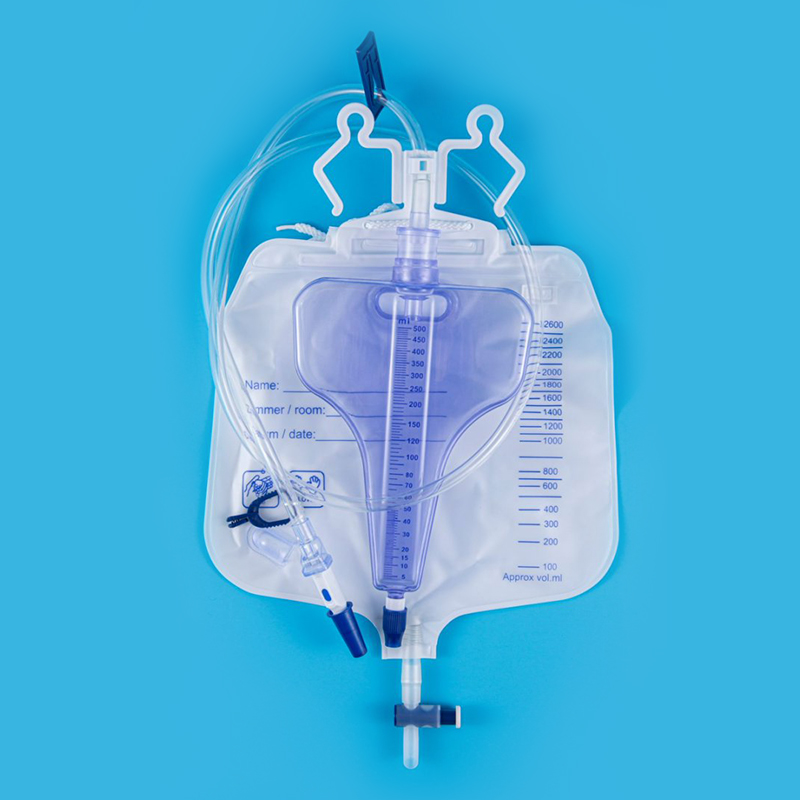
Drainage Practices and Hygiene Considerations
The cross valve included in the Sm7033 design allows users to release urine in a controlled way, supporting hygienic handling. It is advisable to empty the bag several times throughout the day, depending on fluid intake and the individual’s medical condition. Proper cleaning after emptying also matters—using disinfectant wipes or following recommended cleaning routines can help prevent bacterial growth on external surfaces. Replacement is generally recommended when the bag shows signs of wear, such as stiff tubing, weakened straps, or difficulty operating the valve. For patients on longer-term use, scheduled replacement according to medical advice helps reduce the risk of infection.
Signs That Indicate Replacement Is Needed
Apart from routine emptying, certain visible changes in the Sm7033 Cross Valve Leg Bag suggest it is time to replace it. Discoloration of the material, odor retention even after cleaning, or cracks in the PVC are signs that hygiene and function could be compromised. Patients who experience skin irritation around the straps may also benefit from changing to a new bag, ensuring that fit and comfort remain consistent. Healthcare providers often recommend a rotation schedule for leg bags to balance cleanliness and convenience.
Large-Volume Waste Collection in Clinical Settings
While the leg bag is designed for personal use, the 10000ml Waste Liquid Bag With T-Valve addresses needs in clinical environments such as operating rooms and surgical wards. Its larger capacity means it does not require frequent emptying during a single procedure, but timing still matters for safety and workflow. Staff should monitor volume markers printed on the bag body to avoid overfilling, which can place strain on the tubing connections and risk spillage during handling.
Safe Drainage and Disposal of Clinical Liquids
The T-valve system in the 10000ml Waste Liquid Bag With T-Valve provides controlled release of fluids, ensuring staff can empty the bag into designated waste containers without sudden flow. Emptying should occur when the bag reaches around 80% of its volume, leaving space for unexpected increases in fluid collection during ongoing procedures. After use, disposal should follow medical waste classification and local regulations, with the entire bag treated as contaminated material. Proper sealing and adherence to disposal protocols protect both staff and the environment.
Practical Guidance for Caregivers and Medical Staff
For patients using the Sm7033 Cross Valve Leg Bag at home, regular emptying, timely replacement, and careful cleaning routines support comfort and reduce infection risk. In hospitals, the 10000ml Waste Liquid Bag With T-Valve provides staff with a practical solution for handling large volumes of fluid, but attention to capacity markers and secure disposal steps is essential. Both products highlight how different collection systems require attention to timing—not only for convenience but also for safety and hygiene.
NEXT:How Does Sm7033 Cross Valve Leg Bag Fit Leg Curvature Securely?
Interested in cooperation or have questions?

-
 +86-0576-85229808
-
 [email protected]
-
 Gexi Village, Dongcheng Town, Linhai City, Zhejiang Province, China
Copyright © Linhai Shuangmei Medical Supplies Co., Ltd. All rights reserved. Approval No: 20240008. The information provided on this website is intended for use only in countries and jurisdictions outside of the People's Republic of China.
 Privacy Policy
Medical Supplies Urine Bags Factory