


 English
 русский
 Español
Relationship Between Disposable Supplies And Hospital Infection Control
Hospital infection control remains a central focus in healthcare facilities worldwide, and the choice of medical consumables plays a significant role in maintaining a safe environment for both patients and staff. Among these consumables, medical catheter bags, reusable urinary leg bags, and intravenous (IV) sets for pediatric care are widely used items whose handling can directly influence the risk of hospital-acquired infections (HAIs). Understanding the differences between disposable and reusable supplies, as well as implementing proper protocols, contributes to fewer infection risks and improved overall patient safety.
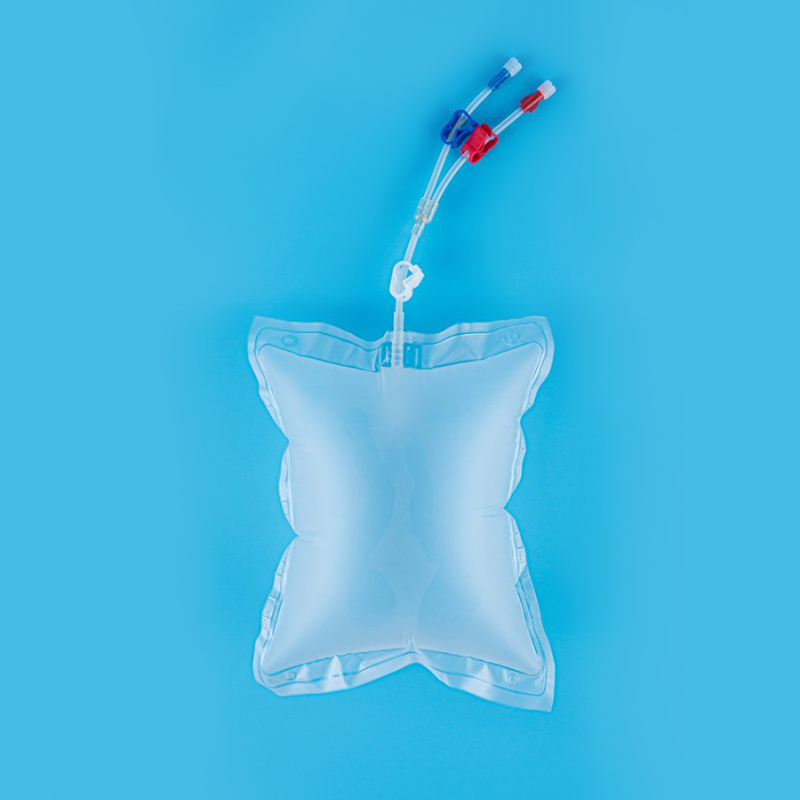
Disposable supplies, such as single-use medical catheter bags, have become increasingly common in many healthcare settings. These products are designed for one-time use, which reduces the potential for contamination between patients. In surgical wards or intensive care units, where patients often have compromised immune systems, using disposable catheter bags can limit the spread of pathogens. Single-use devices eliminate the need for extensive cleaning and sterilization, thereby reducing the likelihood of human error during the disinfection process. This benefit is particularly relevant in high-turnover hospital units where maintaining rigorous hygiene standards is critical.
In contrast, reusable urinary leg bags remain a practical option in certain care settings, especially for patients requiring long-term or home-based urinary management. These devices can be sanitized and reused multiple times when strict cleaning procedures are followed. Regular disinfection of reusable leg bags is essential to prevent bacterial growth and avoid cross-contamination. Healthcare professionals are advised to follow specific guidelines for washing, drying, and storing these items to ensure they remain safe for repeated use. While reusable bags offer economic advantages, their safe use depends heavily on consistent adherence to hygiene practices by caregivers and patients alike.
For pediatric patients, intravenous (IV) sets present unique considerations in infection control. Children are often more susceptible to infections due to underdeveloped immune systems, making careful handling of IV sets crucial. Pediatric IV sets should be prepared under sterile conditions and replaced according to established medical protocols. In many hospitals, disposable IV sets are preferred for children to reduce exposure to contaminants. These sets typically include components such as tubing, connectors, and needles, all designed to be used once and then discarded. By limiting reuse, hospitals can lower the incidence of bloodstream infections and other complications associated with contaminated IV equipment.
Beyond the specific use of these items, the broader connection between disposable supplies and infection control lies in fewer opportunities for pathogen transmission. Every touchpoint, from handling medical devices to their disposal, contributes to the overall risk of HAIs. Training healthcare staff in proper procedures for handling both disposable and reusable items is essential. Staff should understand when a single-use device is preferable and how to properly clean and store reusable items. This knowledge allows hospitals to make informed choices that align with patient care standards while supporting infection prevention strategies.
Moreover, hospital policies and protocols play a pivotal role in reinforcing safe practices. Regular audits, monitoring of infection rates, and adherence to evidence-based guidelines help identify areas where contamination risks may arise. For example, protocols for changing catheter bags, whether disposable or reusable, should emphasize hand hygiene, glove use, and careful disposal of contaminated materials. Pediatric care units may also have additional measures, such as dedicated IV set storage areas and pre-assembled kits, to further reduce the risk of infection.
While single-use medical catheter bags and pediatric IV sets can reduce contamination risks, reusable urinary leg bags remain valuable when appropriate cleaning procedures are applied. The focus on proper handling, storage, and staff training ensures that each type of medical supply supports the overall goal of maintaining a safe healthcare environment. Hospitals that integrate these practices into their daily operations are better positioned to manage infection risks and provide a safer experience for all patients.
NEXT:Rehabilitation Medicine And The Use Of Disposable Supplies
Interested in cooperation or have questions?

-
 +86-0576-85229808
-
 [email protected]
-
 Gexi Village, Dongcheng Town, Linhai City, Zhejiang Province, China
Copyright © Linhai Shuangmei Medical Supplies Co., Ltd. All rights reserved. Approval No: 20240008. The information provided on this website is intended for use only in countries and jurisdictions outside of the People's Republic of China.
 Privacy Policy
Medical Supplies Urine Bags Factory