


 English
 русский
 Español
Importance Of Sterile Packaging In Medical Consumables
Sterile packaging plays a critical role in ensuring the safety and effectiveness of medical consumables. In healthcare settings, products such as catheter bag supplies, 500 ml urinary leg bags, and adult infusion sets are used in direct contact with patients and bodily fluids, making sterility a central concern. Maintaining the sterile condition of these items from the point of manufacturing to the moment of use helps prevent contamination, reduces the risk of hospital-acquired infections, and supports patient recovery.
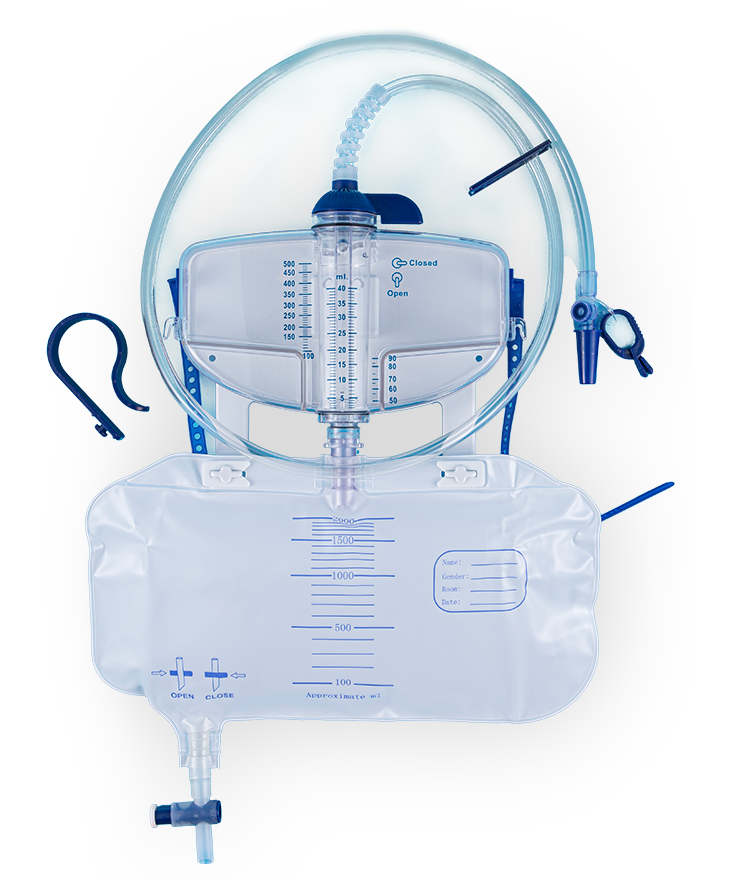
Medical consumables are often handled multiple times before reaching the end user. During transportation, storage, and distribution, exposure to microorganisms or environmental contaminants can compromise product integrity. Sterile packaging acts as a barrier, protecting items from dust, moisture, and other potential sources of contamination. For instance, catheter bag supplies, which include tubing and drainage connectors, need to remain free from pathogens to ensure safe urinary drainage. Compromised sterility can advance to urinary tract infections or other complications, especially for patients with weakened immune systems.
A 500 ml urinary leg bag is another example where sterile packaging is essential. These bags are commonly used in both hospital and home care settings to manage urine output in patients with limited mobility. A sterile seal ensures that the bag remains clean until it is attached to the catheter, lessening the risk of introducing bacteria into the urinary tract. Additionally, sterile packaging allows healthcare providers and caregivers to handle these products confidently, knowing that the integrity of the item has been maintained throughout the supply chain.
Adult infusion sets, which deliver fluids directly into a patient's bloodstream, are highly sensitive to contamination. Any breach in sterility can result in bloodstream infections or other serious complications. Packaging that maintains sterility until the point of use provides a critical layer of protection. Beyond safety, sterile packaging also supports operational efficiency. Pre-packaged sterile consumables reduce the need for additional handling or sterilization steps within healthcare facilities, allowing staff to focus more on patient care rather than on repeated sanitation processes.
Different methods are used to maintain sterility depending on the type of product. Heat sealing, medical-grade pouches, and barrier films are commonly employed to create a protective environment. Packaging materials are selected to withstand storage conditions, including temperature fluctuations and mechanical handling, without compromising the sterile barrier. Clear labeling of sterile items also plays an important role, as it informs healthcare personnel about the product's sterility status and provides guidance for safe usage.
The importance of sterile packaging extends to home care as well. Patients using 500 ml urinary leg bags or catheter bag supplies outside of hospital settings rely on packaging that ensures cleanliness and ease of use. When patients or caregivers handle medical consumables, a pre-sterilized, sealed product reduces the chance of introducing pathogens into the system, supporting long-term health and reducing the likelihood of complications.
Sterile packaging is a fundamental aspect of medical consumables that safeguards patient health, maintains product integrity, and supports healthcare workflows. Items such as catheter bag supplies, 500 ml urinary leg bags, and adult infusion sets are only as safe as the packaging that protects them. Ensuring that these products remain sterile from production to use is a shared responsibility across manufacturers, distributors, and healthcare providers, ultimately contributing to better patient outcomes and safer healthcare environments.
NEXT:The Role Of Disposable Medical Devices In Infection Control
Interested in cooperation or have questions?

-
 +86-0576-85229808
-
 [email protected]
-
 Gexi Village, Dongcheng Town, Linhai City, Zhejiang Province, China
Copyright © Linhai Shuangmei Medical Supplies Co., Ltd. All rights reserved. Approval No: 20240008. The information provided on this website is intended for use only in countries and jurisdictions outside of the People's Republic of China.
 Privacy Policy
Medical Supplies Urine Bags Factory