


 English
 русский
 Español
How Does a Waste Liquid Bag Support Safe Fluid Disposal?
Handling medical irrigation at home or in small clinical settings often involves managing used fluids safely. A medical irrigator, combined with a waste liquid bag, provides a structured approach to fluid collection and disposal. These two devices together help contain irrigation liquids, reducing the chance of spills and maintaining a more controlled environment for post-treatment care. Understanding how a waste liquid bag functions alongside a medical irrigator can help users maintain hygiene while performing routine irrigation procedures.
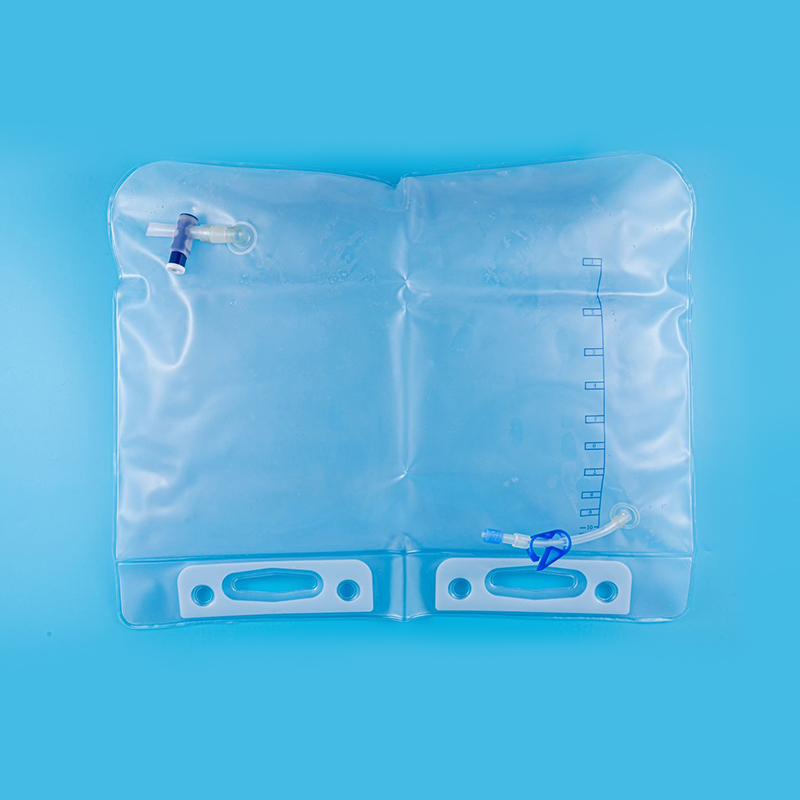
Controlled Fluid Collection
A waste liquid bag is designed to collect the fluids expelled during irrigation. When connected to a medical irrigator, it captures runoff from wounds, surgical sites, or oral cleaning procedures. The transparent material of many bags allows for easy monitoring of fluid levels, helping caregivers keep track of how much liquid has been collected. By channeling fluid into a dedicated container, the bag prevents liquid from contacting surrounding surfaces, which can reduce cleanup efforts and support a more organized care process.
Reducing Contamination Risks
Using a waste liquid bag with a medical irrigator helps separate potentially contaminated fluids from living areas or work surfaces. This separation is important in maintaining sanitary conditions and supporting infection control practices. Many bags are designed for single-use or easy disposal, which decreases the handling of used liquids and reduces the possibility of cross-contamination. The combination of a pre-sterilized medical irrigator and a collection bag ensures that fluids are transferred safely and efficiently during irrigation procedures.
Ease of Use for Home and Clinical Settings
The design of a waste liquid bag often emphasizes simplicity and convenience. It can be positioned at a level that supports gravity drainage or attached to a stable structure to prevent tipping. Flexible tubing and secure connections allow the medical irrigator to channel fluids directly into the bag without leakage. Clear graduations or markings on the bag assist in monitoring fluid volumes, which is useful for both medical professionals and home caregivers. The ease of setup and operation allows users to focus on the irrigation process rather than worrying about spills or mess.
Compatibility with Different Irrigation Needs
Medical irrigators may deliver fluids at varying rates, depending on the procedure or wound type. Waste liquid bags are typically compatible with these different flow rates, making them adaptable for minor or more extensive irrigation tasks. The bag’s capacity can be selected based on anticipated fluid volume, ensuring there is enough space for collection without needing frequent replacement. This adaptability supports a smoother workflow in post-treatment care routines, whether in a home setting or a small clinical environment.
Monitoring and Safety Considerations
Monitoring the collected fluid is an important part of safe disposal. A clear waste liquid bag provides visual feedback on the amount of irrigation fluid captured, which can help caregivers assess the effectiveness of the irrigation and decide when the bag should be emptied or replaced. Using bags with secure closures reduces the chance of accidental spills during handling. Regular inspection of connections between the irrigator and the bag ensures that fluid is directed correctly and consistently into the container.
Practical Integration into Care Routines
When performing post-treatment irrigation, having a waste liquid bag in place makes the process more structured and less prone to accidents. It allows caregivers to focus on proper irrigation techniques while knowing that runoff is contained.Additionally, disposable or easily cleanable bags reduce the effort required to maintain hygiene after each irrigation session.
NEXT:Why Are Medical Irrigators Useful in Post-Treatment Home Care?
Interested in cooperation or have questions?

-
 +86-0576-85229808
-
 [email protected]
-
 Gexi Village, Dongcheng Town, Linhai City, Zhejiang Province, China
Copyright © Linhai Shuangmei Medical Supplies Co., Ltd. All rights reserved. Approval No: 20240008. The information provided on this website is intended for use only in countries and jurisdictions outside of the People's Republic of China.
 Privacy Policy
Medical Supplies Urine Bags Factory