


 English
 русский
 Español
Flexibility Of Tubing And Patient Comfort Considerations
The design and functionality of urinary drainage systems are critical aspects of patient care, especially for individuals who require long-term or post-surgical management. Among the important factors in these systems, the flexibility of tubing plays a key role in ensuring comfort, safety, and efficiency. Patients using surgical urine bags, thigh urine bags, or catheters with leg bags often face challenges in mobility, skin health, and overall comfort, making the consideration of tubing design a necessary focus for healthcare providers and caregivers.
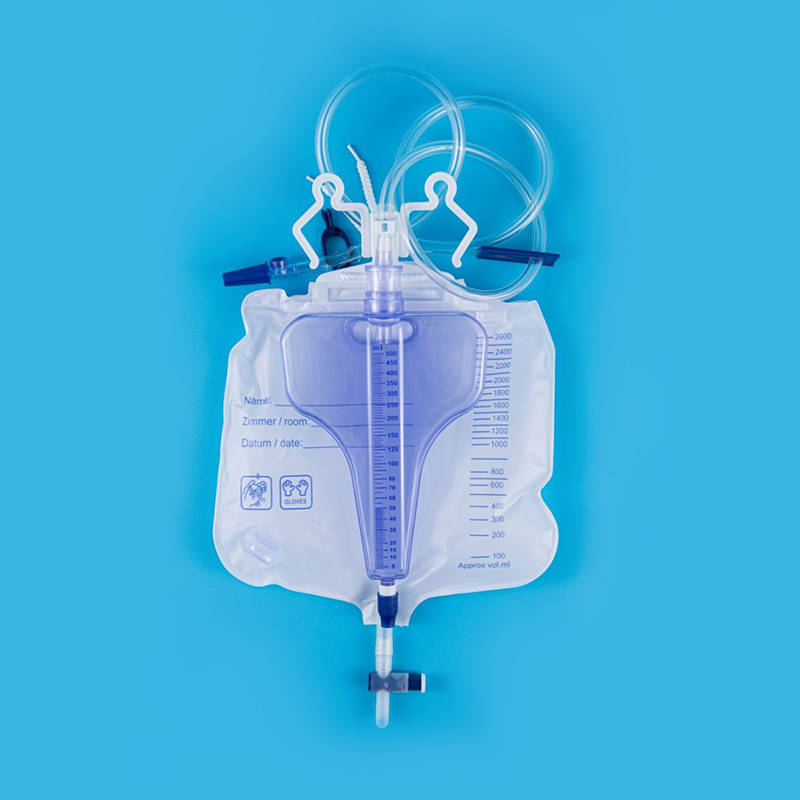
Surgical urine bags are commonly used after operations to monitor urine output and manage urinary drainage. These bags typically include tubing that connects to a catheter, allowing fluids to flow away from the bladder into a collection reservoir. The tubing needs to accommodate various positions and movements of the patient, including sitting, lying down, or walking in a limited range. Flexible tubing can reduce tension on the catheter insertion site, which helps prevent irritation and decreases the likelihood of dislodgement. For patients recovering from surgery, maintaining gentle movement without causing discomfort or additional stress on the urinary system is an important aspect of post-operative care.
Thigh urine bags are designed for more active or mobile patients. They are usually smaller than standard surgical bags and can be strapped discreetly to the thigh, enabling a greater degree of mobility while still providing effective urine collection. The tubing used in thigh urine bags must be flexible enough to allow bending at the knee and movement of the leg without kinking or causing obstruction. Tubing rigidity can advance to leakage, discomfort, and reduced reliability of the drainage system, which can affect patient confidence and adherence to care protocols. Proper tubing flexibility supports secure positioning of the bag, avoids pressure on sensitive skin, and contributes to the overall comfort and dignity of patients using these systems.
Foley catheters paired with leg bags represent another common urinary management approach, particularly for patients requiring extended use of a catheter. In this setup, the leg bag is attached to the lower leg and connected to the catheter via tubing. Flexibility in the tubing allows the bag to move with the leg while less stress on the urethral or suprapubic insertion site. Tubing that can accommodate natural leg movements without restriction reduces the risk of mechanical trauma and helps maintain consistent drainage. In addition, flexible tubing can be routed more easily around clothing and bedding, reducing the chances of snagging or pulling during daily activities.
Patient comfort is closely linked to the physical properties of the tubing. Materials used in tubing construction, such as medical-grade PVC or silicone, often balance flexibility with durability. Tubing that is too stiff may cause discomfort or even localized pressure sores, while tubing that is overly soft may be prone to kinking, affecting urine flow. Healthcare providers must consider these factors when selecting drainage systems for individual patients, taking into account the level of mobility, the duration of use, and any specific medical conditions.
Routine care and monitoring are also influenced by tubing flexibility. Patients and caregivers can more easily position flexible tubing to prevent obstruction and ensure effective urine drainage. It also facilitates cleaning and maintenance procedures, as the tubing can be handled gently without risking damage to the catheter or connections. In addition, flexible tubing allows for safer and smoother transitions during repositioning, transferring, or ambulation, which contributes to overall patient safety and comfort.
Thoughtful consideration of tubing flexibility supports patient mobility, reduces risk of irritation or injury, and enhances comfort. As urinary management remains a crucial part of post-surgical care and long-term patient support, selecting drainage systems with appropriate tubing characteristics can improve the overall experience for patients while maintaining safety and effectiveness in clinical practice.
NEXT:Use Of Drainage Products In Emergency And Disaster Relief
Interested in cooperation or have questions?

-
 +86-0576-85229808
-
 [email protected]
-
 Gexi Village, Dongcheng Town, Linhai City, Zhejiang Province, China
Copyright © Linhai Shuangmei Medical Supplies Co., Ltd. All rights reserved. Approval No: 20240008. The information provided on this website is intended for use only in countries and jurisdictions outside of the People's Republic of China.
 Privacy Policy
Medical Supplies Urine Bags Factory