


 English
 русский
 Español
Dosing Pipette: Supporting Consistent Chemical Solutions Preparation
Accurate preparation of chemical solutions is a routine yet crucial task in laboratories, clinical settings, and industrial environments. Tools like the Disposable Infusion Set and Dosing Pipette play an important role in ensuring measurements remain consistent, reducing the likelihood of errors, and simplifying repetitive tasks. Selecting and using these instruments correctly can help maintain uniformity in solution preparation, which is critical for experimental accuracy and operational efficiency.
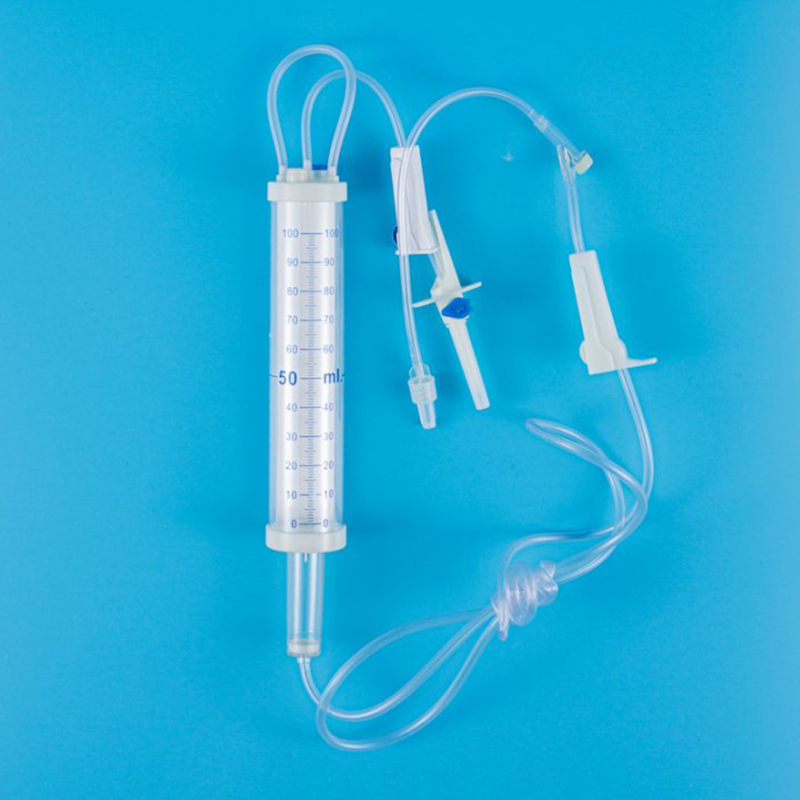
Understanding the Role of Disposable Infusion Sets
Disposable infusion sets are commonly used for transferring liquids with controlled flow. They are valued for their single-use design, which helps maintain hygiene and reduce cross-contamination. In environments where multiple solutions or chemical transfers are required daily, the ability to quickly replace a set without extensive cleaning procedures can save time and reduce handling complexity. Features often found in disposable infusion sets include flexible tubing, secure connectors, and precise flow control mechanisms.
Practical Advantages:
- Easy to assemble and operate, reducing preparation time
- Minimized cleaning requirements compared to reusable systems
- Clear tubing allows visual monitoring of liquid flow
- Compatible with various containers and solution types
These advantages make disposable infusion sets particularly useful in both laboratory and clinical workflows, where precision and reliability in liquid handling are valued.
How Dosing Pipettes Aid Solution Consistency
Dosing pipettes provide a straightforward method for transferring small or moderate liquid volumes. Unlike graduated cylinders or beakers, pipettes allow controlled measurement, which can prevent overfilling and reduce waste. Their narrow tip design supports precise droplet formation, enabling repeatable results in experiments or solution preparation.
A typical dosing pipette workflow includes:
- Drawing the solution carefully to the desired volume line
- Delivering the solution steadily to the receiving vessel
- Ensuring that the tip is fully drained to reduce leftover liquid
By following this routine, users can achieve more uniform solution concentrations, which can be important for applications such as titrations, reagent mixing, or sample dilution.
Practical Tips for Efficient Usage
Using disposable infusion sets and dosing pipettes together can streamline daily liquid handling. Key considerations include:
- Selecting the right pipette volume based on solution quantity
- Checking tubing connections for any leakage before starting
- Avoiding air bubbles in the liquid line, which can affect measurement
- Cleaning hands and surfaces to prevent contamination even when using disposable components
Integrating these practices helps maintain consistent solution preparation while supporting workflow efficiency.
Material and Design Considerations
The materials used in these products can influence durability, compatibility, and usability. Common features include transparent plastic for easy observation, flexible yet resilient tubing, and non-reactive components that do not interact with chemicals. When choosing products, considering chemical compatibility and storage requirements can prevent potential issues such as material degradation or inaccurate dosing.
|
Component |
Material |
Key Feature |
Common Use |
|
Disposable Infusion Set |
PVC, Polyurethane |
Flexible tubing, secure connectors |
Routine liquid transfer |
|
Dosing Pipette |
Polypropylene |
Graduated markings, narrow tip |
Precise solution measurement |
Common Challenges and Solutions
Handling liquids with different viscosities or chemical properties may present challenges. For example, viscous solutions may move slower through tubing, requiring slightly longer preparation times. Using a pipette with a matching volume range and ensuring proper handling of tubing can help reduce inconsistencies. Maintaining a stable working environment, including minimal vibration and temperature fluctuations, also supports more predictable liquid behavior.
FAQ
Q1: Can disposable infusion sets be reused?
A: They are intended for single use to maintain hygiene. Reusing may risk contamination or inaccurate flow.
Q2: How should dosing pipettes be cleaned?
A: After use, rinse with an appropriate solvent and air-dry. Some may be disposable, in which case disposal is recommended.
Q3: Are these products compatible with all chemical solutions?
A: Compatibility depends on the material of the tubing or pipette. Check chemical resistance specifications before use.
Q4: Can the flow rate of an infusion set be adjusted?
A: Yes, many sets include a clamp or control valve to regulate flow.
Q5: What is the typical volume range for dosing pipettes?
A: Pipettes vary from 1 mL up to 50 mL or more. Selecting the right size ensures better accuracy.
Q6: How to avoid air bubbles in dosing pipettes?
A: Draw liquid slowly and ensure the tip is submerged fully in the solution to prevent trapped air.
NEXT:How Does Paediatric Urine Collector Bag Regulation Affect Manufacturers?
Interested in cooperation or have questions?

-
 +86-0576-85229808
-
 [email protected]
-
 Gexi Village, Dongcheng Town, Linhai City, Zhejiang Province, China
Copyright © Linhai Shuangmei Medical Supplies Co., Ltd. All rights reserved. Approval No: 20240008. The information provided on this website is intended for use only in countries and jurisdictions outside of the People's Republic of China.
 Privacy Policy
Medical Supplies Urine Bags Factory